Everything About Heating Systems | Furnace & Heat Pump Services
Learn everything about heating systems, including furnaces, heat pumps, heating repairs, maintenance, and replacement options. Call Air Conditioning Services for trusted heating help.

Everything About Heating Systems
A dependable heating system is essential for comfort, safety, and peace of mind when colder weather reaches Gainesville and Northeast Georgia. Everything About Heating Systems starts with understanding the type of system you have and how it operates. Whether your home uses a gas furnace, electric furnace, heat pump, or dual-fuel system, understanding how it works can help you spot problems early, maintain more consistent comfort, and make informed decisions when repairs or replacement are needed.
Air Conditioning Services (ACS) provides residential and commercial heating services for customers throughout Northeast Georgia. The ACS team installs, maintains, and repairs heating and air systems of all brands, makes, and models. When you need help, the goal is simple: diagnose the problem, explain your options clearly, and help you choose the solution that fits your home, business, budget, and comfort needs. ACS is licensed, insured, and bonded, and backs its products and services with a 100% guarantee.
This guide explains the most common types of heating systems, how they provide warmth, what maintenance they need, signs that indicate a repair may be necessary, and when it may be time to consider an upgrade.
How Heating Systems Keep Your Home Warm
Heating systems use different energy sources and operating methods, but their purpose is the same: to maintain a comfortable indoor temperature when outdoor conditions become cold.
Most central heating systems distribute warm air through a network of ducts. A thermostat monitors the indoor temperature and signals the system when heat is needed. The equipment then generates or transfers heat, and a blower moves warmed air through supply ducts and into living or working spaces. Cooler indoor air returns to the system through return ducts, where the process repeats until the thermostat setting is reached.
The components and fuel source vary by system type, but many heating systems include:
- Thermostat: Controls when the heating equipment turns on and off based on the temperature you choose.
- Heating equipment: This may be a furnace, heat pump, electric air handler, or combination system.
- Blower motor: Moves heated air through the ductwork.
- Ductwork: Delivers warm air to rooms and returns cooler air for reheating.
- Air filter: Helps capture dust and airborne particles before air moves through the system.
- Safety controls: Help monitor system operation and can shut equipment down when unsafe conditions are detected.
- Vents and registers: Release conditioned air into individual rooms.
When these parts work together correctly, your heating system should provide dependable warmth and balanced comfort throughout the building. If any component becomes worn, blocked, dirty, damaged, or improperly adjusted, you may notice uneven temperatures, higher utility costs, strange sounds, reduced airflow, or a complete loss of heat.
Common Types of Heating Systems
The best heating system for a home or business depends on several factors, including the available fuel source, building size, insulation, ductwork, budget, existing equipment, and personal comfort preferences. A qualified HVAC professional can assess these factors and recommend practical options rather than relying on a one-size-fits-all answer.
Furnaces
A furnace creates heat and distributes it through ductwork. Furnaces are among the most common types of central heating systems and may be powered by natural gas, propane, electricity, or oil, depending on the area and the property’s setup.
When the thermostat calls for heat, the furnace begins its heating cycle. In a gas furnace, burners create heat inside a sealed combustion chamber. A heat exchanger transfers that heat to the air without mixing combustion gases into the indoor air supply. The blower then circulates the warmed air throughout the building.
Electric furnaces use electric heating elements instead of burners. They do not rely on combustion, a gas connection, or venting for exhaust, but electricity costs and climate conditions can influence operating expenses.
A furnace can offer consistent, powerful heating, especially during colder stretches of weather. Like any HVAC equipment, however, it needs regular maintenance and professional attention when warning signs appear.
Heat Pumps
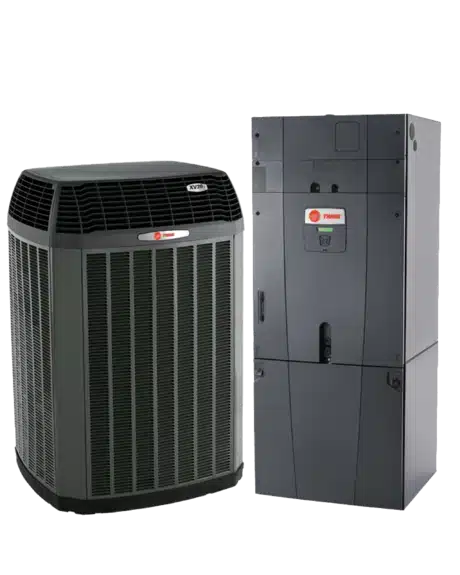
A heat pump works differently from a traditional furnace. Instead of generating heat through combustion or electric resistance elements alone, it moves heat from one place to another.
During heating mode, a heat pump collects available heat energy from outdoor air and transfers it inside. This process can work even when outdoor temperatures feel cold, although the system’s efficiency and capacity may change as temperatures drop. During the summer, the process reverses so the same equipment can remove heat from indoors and provide air conditioning.
Because heat pumps provide both heating and cooling, they can be an efficient all-in-one comfort solution for many Northeast Georgia homes. Some systems include supplemental electric heat strips for periods of particularly cold weather or when additional heating capacity is needed.
Dual-Fuel Systems
A dual-fuel system combines a heat pump with a gas furnace. The heat pump generally operates during milder weather, when it can provide efficient heating by transferring heat from outside to inside. When outdoor temperatures drop to a point where furnace heat is the more practical option, the system can switch to the gas furnace.
This arrangement can provide flexibility, efficient operation during moderate conditions, and reliable heating capacity during colder periods. System controls should be configured correctly so the equipment switches between heat sources at appropriate times.
Gas Heat
Gas heating commonly refers to a furnace that uses natural gas or propane to produce heat. Gas furnaces use burners, a heat exchanger, safety sensors, ignition components, venting, and a blower to provide warm air.
A properly operating gas furnace can provide strong, dependable heat. Because it uses combustion, annual professional inspection and maintenance are especially important. A technician can inspect key safety components, verify proper operation, and identify issues that should be addressed before the heating season is underway.
If you smell gas, notice a possible gas leak, or suspect a combustion-related safety concern, leave the area if necessary, follow local utility safety guidance, and contact the appropriate emergency service provider. Do not attempt to repair gas equipment yourself.
Electric Heat
Electric heat can be provided by an electric furnace, electric air handler, baseboard system, wall heater, heat strips, or another electric resistance heating method. In a central electric furnace or air handler, electrical energy passes through heating elements that warm the air. The blower then distributes that warm air through the ductwork.
Electric heating equipment can be a suitable option in homes without access to natural gas. It may also serve as backup heat for a heat pump. The right choice depends on your home’s electrical capacity, local energy costs, building characteristics, and heating needs.
Heating System Maintenance
Heating maintenance is one of the best ways to prepare your system for the colder months. Scheduling a professional furnace or heat pump tune-up before regular heating use gives your HVAC technician the opportunity to inspect the equipment, identify developing concerns, and help your system operate more reliably.
A professional heating maintenance appointment may include an inspection of applicable system components, such as:
- Thermostat operation and temperature settings.
- Air filters, airflow, and duct-related concerns.
- Electrical connections and controls.
- Blower performance and motor operation.
- Furnace ignition, burners, safety switches, and heat exchanger condition.
- Heat pump refrigerant-related components and defrost operation.
- Condensate drainage where applicable.
- Outdoor unit condition for heat pump systems.
- Unusual noises, cycling patterns, or signs of wear.
The specific service tasks depend on the system type, manufacturer recommendations, equipment condition, and technician findings. Regular maintenance does not guarantee that a part will never fail, but it can help reveal problems early and may reduce the likelihood of avoidable heating interruptions.
Homeowners can also support heating performance by replacing filters as needed, keeping vents and returns open, avoiding storage around heating equipment, and keeping the outdoor portion of a heat pump clear of leaves, branches, and debris.
Signs You Need Heating Repair
Heating systems often show warning signs before they stop working entirely. Paying attention to changes in performance can help you schedule service before a small concern becomes a no-heat emergency.
Contact a professional HVAC contractor if you notice:
- Little or no warm air coming from vents.
- The thermostat is set correctly, but the system will not start.
- The heating system runs constantly without reaching the desired temperature.
- Rooms have inconsistent temperatures or cold spots.
- Airflow from supply vents is weak.
- The furnace or heat pump turns on and off frequently.
- You hear banging, rattling, grinding, squealing, buzzing, or other unusual sounds.
- You notice burning smells, persistent musty odors, or unusual odors from the equipment.
- Your utility costs increase without an obvious change in usage.
- The heat pump outdoor unit develops excessive ice or fails to complete its defrost cycle.
- The furnace flame appears irregular or you suspect a safety issue.
- The system shuts down unexpectedly or trips a breaker.
A heating problem can have several possible causes. Weak airflow might result from a dirty air filter, blower issue, duct restriction, or equipment malfunction. A furnace that will not ignite could involve the thermostat, igniter, flame sensor, safety switch, gas supply, control board, or another component. A heat pump that is not heating properly may have electrical, refrigerant, defrost, airflow, or compressor-related concerns.
Because proper diagnosis requires evaluating the complete system, avoid assuming that a single symptom has only one cause. ACS technicians service all brands, makes, and models and can help identify the underlying issue before recommending a repair.
When to Consider Heating Replacement
Repair is often the right solution, particularly when the equipment is newer and the issue is isolated. However, there are times when replacing an aging or unreliable heating system may offer better long-term value.
It may be time to discuss heating replacement when:
- Repairs are becoming frequent or increasingly expensive.
- The system no longer provides dependable heat.
- Major components have failed.
- The equipment is nearing the end of its expected service life.
- Energy costs have risen while comfort has declined.
- Your home has persistent hot and cold spots.
- Your heating system is improperly sized for the building.
- You are planning a renovation, addition, or major energy-efficiency improvement.
- You want to switch fuel types or move to a heat pump or dual-fuel system.
Heating replacement should be based on more than the age of the unit. The right equipment selection also depends on proper system sizing, duct condition, insulation levels, airflow needs, and the specific comfort goals of the household or business.
ACS provides heating and air system installation for homes and businesses and can review the size and type of system that may be both effective and affordable for your property. The company emphasizes clear information and practical options, without pressure-based sales tactics.
Emergency Heating Repair
A heating failure can become more than an inconvenience when temperatures fall, particularly for households with young children, older adults, people with medical needs, or pets. If your system stops producing heat, begin by checking basic items that are safe for a homeowner to review: confirm the thermostat is set to heating mode, verify the temperature setting is above the current indoor temperature, check the air filter, and inspect the electrical panel for a tripped breaker.
Do not repeatedly reset breakers, bypass safety switches, remove furnace panels, or attempt gas, electrical, refrigerant, or combustion repairs yourself. These systems contain electrical components, moving parts, hot surfaces, and—depending on the equipment—fuel and combustion-related safety risks.
Call for emergency heating repair when your system has no heat, repeatedly shuts down, produces concerning noises or odors, shows signs of overheating, has electrical issues, or presents a possible gas-related concern. If you believe there is a gas leak or carbon monoxide emergency, leave the building immediately and contact emergency services or your gas utility provider from a safe location.
Air Conditioning Services provides reliable heating repair for homes and businesses throughout its Northeast Georgia service area. The ACS team prioritizes clear communication, prompt diagnosis, transparent recommendations, and repairs intended to restore safe, dependable comfort.
Heating System Resources
Explore the following heating resources for more detailed information about equipment types, maintenance, repairs, fuel options, and common heating decisions:
- Furnaces — Learn how furnaces generate and distribute heat, plus the benefits and maintenance needs of common furnace systems.
- Heat Pumps — Understand how heat pumps provide both heating and cooling and when they may be a good fit for your property.
- Dual Fuel — Explore how dual-fuel systems combine a heat pump and gas furnace for flexible, seasonal heating performance.
- Electric Heat — Learn about electric furnaces, heating elements, air handlers, and electric backup heat.
- Gas Heat — Review how gas furnaces work, what safety features they use, and why annual service matters.
- Furnace Repair — Identify common furnace repair needs and signs that your system should be inspected.
- Furnace Maintenance — Learn what professional furnace maintenance can address before heating season begins.
- Heat Pump Repair — Review common heat pump problems, including poor heating, icing, unusual noises, and cycling concerns.
- Heat Pump vs Furnace — Compare heat pumps and furnaces based on operation, fuel source, efficiency considerations, and comfort needs.
- Emergency Heating Repair — Know what to do when your heating system stops working or shows signs of a potential safety concern.
Why Choose Air Conditioning Services?
When a heating system needs attention, you need more than a quick guess or a high-pressure sales pitch. You need a knowledgeable HVAC team that can evaluate the issue, answer your questions, and provide recommendations based on the needs of your property.
Air Conditioning Services supports homeowners and businesses across Northeast Georgia with heating repair, maintenance, and installation services. ACS offers flexible scheduling and employs highly trained, background-checked HVAC contractors. The company also states that it protects customers’ homes and offices during service, cleans up after completing work, and provides a 100% guarantee on its products and services.
ACS serves Gainesville and surrounding communities across Hall, Habersham, Gwinnett, Jackson, Stephens, Dawson, Lumpkin, and Forsyth counties. Contact the ACS team at 770-532-0731 to schedule heating service, request an inspection, or discuss your furnace, heat pump, or system replacement options.
Open 7AM - 5PM Monday-Friday
Quick Contact Form
Make a Payment

Our Service Area
We have happy customers all around the Northeast Georgia area. We’ve provided HVAC services for homes and businesses in:
· Hall County: Clermont, Flowery Branch, Gainesville, Lula, & Oakwood
· Habersham County: Alto, Baldwin, Clarkesville, Cornelia, Demorest, Mount Airy & Tallulah Falls
· Gwinnett County: Dacula, Sugar Hill, Buford, Lawrenceville
· Jackson County: Pendergrass, Arcade, Braselton, Commerce, Hoschton, Jefferson, Maysville, Nicholson & Talmo
· Stephens County: Martin & Toccoa
· Dawson County: Dawsonville
· Lumpkin County: Dahlonega
· Forsyth County: Cumming
Contact us today when you need HVAC services you can trust.