
Common Heating Problems & Troubleshooting Guide | Gainesville, GA
Troubleshoot common heating problems, from cold rooms and furnace noises to heat-pump ice and high bills. Call Air Conditioning Services today.

Common Heating Problems & Troubleshooting Guide
Heating Problems can make it difficult to keep your home comfortable, especially during colder weather in Gainesville, GA. You may notice that one room stays cold, the upstairs never warms up, the furnace runs constantly, or your heat pump develops ice. These symptoms can have simple explanations, such as a thermostat setting, dirty filter, or blocked vent. They can also indicate an HVAC issue that requires professional diagnosis.
Air Conditioning Services helps homeowners and businesses throughout Gainesville and Northeast Georgia troubleshoot, repair, maintain, and replace furnaces and heat pumps. The first step is understanding what the symptom may mean, what you can safely check, and when it is time to call a trained HVAC technician.
Call Air Conditioning Services at 770-532-0731 when your furnace or heat pump is not operating safely, reliably, or efficiently.
Start With Safe Basic Checks
Before assuming you need a major heating repair, check the basics. These steps can resolve a simple issue or provide helpful information for an HVAC technician. Do not remove equipment panels, bypass safety switches, touch wiring, work on gas lines, attempt refrigerant repairs, or repeatedly reset circuit breakers.
Start by checking:
- The thermostat is set to Heat.
- The temperature setting is above the current indoor temperature.
- The thermostat fan setting is on Auto.
- The HVAC breaker has not tripped.
- The furnace power switch near the unit is on.
- The air filter is clean and correctly installed.
- Supply vents and return grilles are open and unobstructed.
- Furniture, curtains, rugs, boxes, or décor are not blocking airflow.
- The outdoor heat-pump unit is clear of leaves, branches, grass, and debris.
- Exterior doors and windows are fully closed.
A dirty filter, restricted return grille, or closed vent can reduce airflow and affect the entire heating system. ACS technicians also inspect filters, coils, blower speed, static pressure, thermostat calls, and related components as part of professional heating and heat-pump diagnosis.
If the heating problems continues after safe basic checks, avoid running a malfunctioning system for extended periods. A qualified technician can identify the source of the issue and recommend appropriate repairs.
Why Is My House Cold Upstairs?
A cold upstairs area is one of the most common comfort complaints in two-story homes. Heat naturally rises, but that does not guarantee an upstairs level will remain evenly warm. Heat loss through the attic, ductwork problems, thermostat location, airflow imbalance, insulation gaps, and equipment performance can all make upper floors uncomfortable.
Common reasons the upstairs is cold include:
- Inadequate attic insulation
- Air leaks around attic hatches, recessed lights, wiring penetrations, and exterior walls
- Ductwork leaks, disconnected ducts, or uninsulated ducts in the attic
- Closed or blocked supply vents
- Insufficient return-air pathways
- A dirty furnace filter restricting airflow
- A thermostat located on the lower level or in an unrepresentative location
- An HVAC system that is improperly sized for the home
- A failing blower motor or airflow-related equipment problem
- Zoning or damper issues in homes with multi-zone HVAC systems
Start by confirming that all upstairs vents are open and not blocked. Check that return grilles are clear, replace the air filter if needed, and inspect visible attic access areas for obvious gaps or insufficient insulation. Avoid trying to adjust dampers or access ductwork unless you know the system layout and can do so safely.
ENERGY STAR states that air sealing and insulation can improve comfort and energy efficiency, with potential savings of up to 10% on annual energy bills. Sealing air leaks and improving attic insulation may also reduce drafts and cold upper-level rooms.
A professional HVAC assessment can evaluate duct condition, airflow, blower performance, static pressure, equipment sizing, insulation-related concerns, and whether zoning or balancing improvements may help.
Why Is One Room Always Cold?
When one room stays cold while the rest of the home feels comfortable, the problem may be localized rather than a complete furnace or heat-pump failure. A single room may have a closed or blocked vent, a duct problem, inadequate return airflow, exterior-wall heat loss, drafty windows, poor insulation, or a room that was added or remodeled without appropriate HVAC design changes.
Potential causes include:
- Closed, blocked, or poorly positioned supply vents
- Furniture, rugs, curtains, or storage blocking return grilles
- Leaking, crushed, disconnected, or undersized ductwork
- Ducts routed through a cold attic, crawlspace, garage, or other unconditioned area
- Insufficient insulation in walls, ceiling, or floor
- Air leaks around windows, doors, outlets, and exterior penetrations
- A room with more windows, higher ceilings, or greater sun and wind exposure
- Improper HVAC system sizing
- Inadequate return-air paths
- Thermostat placement that does not reflect the room’s actual temperature
Check the room’s supply vent and return grille first. Make sure the vent is open and that no furniture or drapes are blocking air movement. Do not close vents in other rooms in an attempt to force more heat into the cold room; closing too many registers can increase system pressure and create other comfort problems.
If a room has always been cold, ductwork design, insulation, or sizing may be involved. If it became cold recently, a damaged duct, blocked vent, blower problem, thermostat issue, or failing HVAC component may be more likely.
Why Is My Heat Running Constantly?
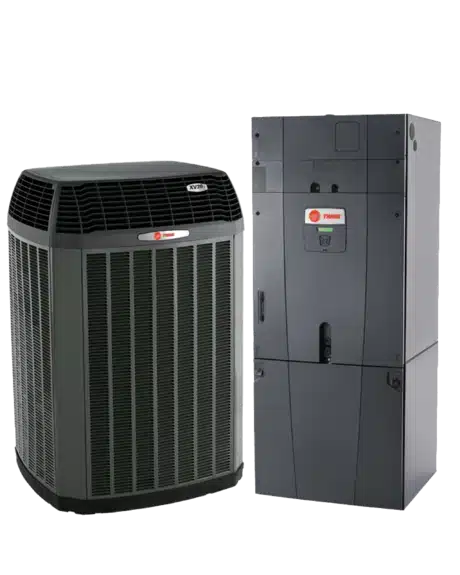
A heating system may run for long periods during cold weather, especially when outdoor temperatures are low and the home has significant heat loss. However, a furnace or heat pump that runs almost nonstop while failing to reach the thermostat setting should be inspected.
Possible reasons include:
- Thermostat set too high or programmed incorrectly
- A dirty filter restricting airflow
- Heat loss through air leaks, poor insulation, or drafty windows and doors
- Leaking or damaged ductwork
- An undersized system
- A heat pump operating in low outdoor temperatures without adequate supplemental heat
- A heat pump stuck in auxiliary or emergency-heat mode
- Refrigerant-related heat-pump performance issues
- Dirty coils or blocked outdoor-unit airflow
- A furnace with ignition, blower, combustion, venting, or control problems
- A thermostat that is inaccurate or poorly located
For heat pumps, it is important to distinguish between normal extended operation and a true performance problem. Heat pumps often run longer than furnaces because they deliver steadier, lower-temperature heat. That does not automatically mean something is wrong. However, if the home remains cold, the system cannot maintain the set temperature, auxiliary heat runs constantly, or your energy bills increase sharply, schedule service.
Do not repeatedly raise the thermostat several degrees at once to make the home heat faster. On many heat-pump systems, a large temperature increase can activate auxiliary electric heat, which may cost more to operate. Use steady, moderate thermostat settings or a heat-pump-compatible schedule.
Why Is My Furnace So Loud?
Furnaces produce normal sounds, including air movement, blower operation, the click of controls, and a brief ignition sequence. New, loud, persistent, or worsening noises should not be ignored.
Different sounds can point to different concerns:
|
Furnace sound |
Possible concern |
|
Banging or booming at startup |
Delayed ignition, burner issue, expanding ductwork, or another combustion-related concern |
|
Rattling |
Loose panel, loose duct, worn component, debris, or vibration |
|
Squealing |
Blower motor, belt on older systems, bearing, or airflow-related problem |
|
Grinding |
Motor, blower wheel, bearing, or mechanical component wear |
|
Buzzing or humming |
Electrical issue, relay, transformer, capacitor, or motor concern |
|
Repeated clicking |
Ignition, thermostat, control-board, or electrical issue |
|
Loud airflow or whistling |
Restricted filter, blocked return, undersized ductwork, or high static pressure |
A loud boom from a gas furnace deserves timely service because delayed ignition can allow gas to build up before it ignites. Avoid continuing to restart the furnace if it produces repeated booming, burning odors, or abnormal burner behavior.
Air Conditioning Services can inspect heating equipment for blower, ignition, electrical, airflow, safety-control, and combustion-related concerns. A technician should diagnose the source before replacing parts or adjusting components.
Why Does My Furnace Smell Like Burning?
A brief dusty smell may occur when you first turn on the heat for the season. Dust can settle on heating elements, burners, heat exchangers, or other components during months of inactivity. This odor should usually fade after a short period of normal operation.
A persistent or strong burning smell is not normal. Turn the furnace off and call for service if you notice:
- A burning-plastic or melting-wire smell
- Strong electrical odors
- Smoke from vents or around the furnace
- A fuel-like or gas odor
- A chemical smell that continues after the system has operated
- A burning smell paired with unusual noises, breaker trips, or poor heating performance
A burning odor can be caused by dust, overheating components, a clogged filter, electrical wiring issues, blower-motor problems, or other failures. It is not safe to assume the smell is harmless if it persists.
If you smell natural gas or propane, leave the building if necessary and contact the gas utility or emergency services from outside. Do not operate light switches, use matches, start the furnace, or attempt to locate the source of a suspected gas leak.
Why Is My Utility Bill So High?
Heating costs can rise during cold weather, but a substantial unexplained increase may indicate heat loss, airflow restrictions, thermostat habits, duct issues, auxiliary heat use, or declining system performance.
Common reasons for high winter utility bills include:
- More severe or longer-lasting cold weather
- Higher thermostat settings
- Air leaks around windows, doors, attic penetrations, and utility openings
- Poor attic, wall, floor, or crawlspace insulation
- Dirty furnace filters
- Leaky, disconnected, or poorly insulated ducts
- A furnace or heat pump that runs inefficiently
- A heat pump using auxiliary electric heat frequently
- A thermostat that is programmed incorrectly
- A failing blower, control, refrigerant, or combustion-related component
- An aging system with declining efficiency
Start by comparing current bills with the same time period from the previous year, while accounting for weather and utility-rate changes. Check filters, thermostat schedules, vents, and obvious drafts. If comfort has declined while energy use rises, schedule an HVAC evaluation.
ENERGY STAR reports that home air sealing and insulation improvements can increase comfort and energy efficiency and may provide up to 10% savings on annual energy bills. Georgia Power also offers home-efficiency programs and rebates that may include qualifying attic insulation, air sealing, duct sealing, heat-pump, and related upgrades. Program details and eligibility can change, so confirm current requirements before moving forward.
Why Does My Heat Pump Ice Up?
Some light frost on a heat pump’s outdoor coil can be normal in cool, damp weather. A heat pump includes a defrost cycle designed to melt normal frost accumulation and restore airflow. During defrost, you may see steam rising from the unit or notice temporary changes in sound and operation.
Heavy ice buildup that does not clear is not normal. It can restrict airflow, reduce heating capacity, damage equipment, and cause the system to rely heavily on auxiliary heat.
Possible causes of heat-pump icing include:
- A malfunctioning defrost control, sensor, or board
- Low refrigerant or a refrigerant leak
- Outdoor fan motor problems
- Dirt or debris restricting airflow around the outdoor coil
- A dirty indoor air filter or restricted indoor airflow
- Damaged coil fins
- Drainage problems around the outdoor unit
- Electrical or control issues
You can safely remove loose leaves, grass, branches, and debris from around the outdoor unit. Keep at least a clear perimeter around the equipment for airflow. Replace a visibly dirty indoor filter and make sure supply and return vents are not blocked.
Do not chip ice with a screwdriver, hammer, knife, or other sharp object. Do not pour boiling water onto the unit, and do not cover it in a way that restricts airflow. Those actions can damage the coil, fan, wiring, fins, or cabinet. If your heat pump is heavily iced over or repeatedly freezes, turn it off if safe to do so and call for professional diagnosis. Blocked airflow, dirty filters, and debris around the unit are among the first factors homeowners can safely check.
Why Is My Furnace Short Cycling?
Short cycling occurs when a furnace turns on, runs for a short time, shuts off, and then starts again sooner than normal. This repeated cycling can reduce comfort, increase energy use, and place unnecessary wear on ignition, blower, electrical, and safety components.
Common causes of furnace short cycling include:
- A dirty or overly restrictive air filter
- Closed or blocked supply vents and return grilles
- Overheating caused by airflow restrictions
- A malfunctioning limit switch
- Thermostat location, calibration, wiring, or communication problems
- An oversized furnace
- A damaged or restricted duct system
- A blower motor or capacitor issue
- A clogged condensate drain on a high-efficiency furnace
- Ignition, flame-sensor, burner, or venting-related problems
- Electrical or control-board concerns
Start by checking the filter, thermostat settings, and open vents. If the short cycling continues, schedule professional service. Do not bypass limit switches or other safety controls. These components are designed to stop furnace operation when they detect potentially unsafe conditions.
Short cycling can also affect heat pumps. Common heat-pump causes may include thermostat issues, improper sizing, sensor or wiring problems, airflow restrictions, and outdoor-unit clearance concerns.
When to Call for Heating Repair
Call Air Conditioning Services when safe basic troubleshooting does not restore reliable heat or when symptoms suggest an equipment or safety problem.
Schedule professional heating service for:
- No heat or weak heat from vents
- Repeated short cycling
- A furnace or heat pump that runs constantly without reaching the set temperature
- Persistent burning, electrical, fuel-like, or musty odors
- Loud banging, grinding, squealing, buzzing, or rattling
- Repeated breaker trips
- Ice that does not clear from a heat pump
- Water near the furnace, air handler, or outdoor unit
- Uneven temperatures that continue after checking vents and filters
- A thermostat that says heat is on while the house remains cold
- High utility bills paired with declining comfort
For a gas furnace, leave the home and contact emergency services or the gas utility from outside if you smell gas, hear a carbon monoxide alarm, see smoke, or suspect a combustion-related emergency. Fuel-burning appliances should be checked by a qualified heating contractor annually, and homes with fuel-burning equipment should have working carbon monoxide alarms.
Heating Troubleshooting Resources
Explore these related guides for more detailed help with specific heating problems and comfort concerns:
- Why Is My House Cold Upstairs?
- Why Is One Room Always Cold?
- Why Is My Heat Running Constantly?
- Why Is My Furnace So Loud?
- Why Does My Furnace Smell Like Burning?
- Why Is My Utility Bill So High?
- Why Does My Heat Pump Ice Up?
- Why Is My Furnace Short Cycling?
Schedule Heating Service in Gainesville, GA
A dependable heating system should keep your home comfortable without excessive noise, constant cycling, persistent odors, frozen equipment, or surprising energy bills. If you’re experiencing Heating Problems with your furnace or heat pump, Air Conditioning Services can identify the cause and provide professional repair, maintenance, replacement, or airflow guidance.
Call Air Conditioning Services at 770-532-0731 today to schedule heating service in Gainesville, GA, and throughout Northeast Georgia.
Open 7AM - 5PM Monday-Friday
Quick Contact Form
Make a Payment

Our Service Area
We have happy customers all around the Northeast Georgia area. We’ve provided HVAC services for homes and businesses in:
· Hall County: Clermont, Flowery Branch, Gainesville, Lula, & Oakwood
· Habersham County: Alto, Baldwin, Clarkesville, Cornelia, Demorest, Mount Airy & Tallulah Falls
· Gwinnett County: Dacula, Sugar Hill, Buford, Lawrenceville
· Jackson County: Pendergrass, Arcade, Braselton, Commerce, Hoschton, Jefferson, Maysville, Nicholson & Talmo
· Stephens County: Martin & Toccoa
· Dawson County: Dawsonville
· Lumpkin County: Dahlonega
· Forsyth County: Cumming
Contact us today when you need HVAC services you can trust.