
Everything About Furnaces | Air Conditioning Services
Learn everything about furnaces, including repair, maintenance, safety, filters, replacement, and installation. Call ACS in Gainesville, GA today.

Everything About Furnaces | What You Need to Know
A furnace is one of the most important comfort and safety systems in your home or business. When temperatures drop in Gainesville, GA, your furnace should provide dependable, even heat without unusual noises, repeated shutdowns, rising energy costs, or safety concerns. Understanding how your system works—and when to schedule professional service—can help you make informed decisions about maintenance, repair, replacement, and installation.
Air Conditioning Services provides furnace repair, maintenance, tune-ups, installation, replacement, and safety-focused heating service for residential and commercial customers in Gainesville and Northeast Georgia. Whether you have a gas furnace, electric furnace, or high-efficiency system, ACS can diagnose heating problems and provide recommendations based on your equipment’s condition, performance, and long-term needs.
Call Air Conditioning Services at 770-532-0731 to schedule furnace service in Gainesville, GA.
What Is a Furnace?
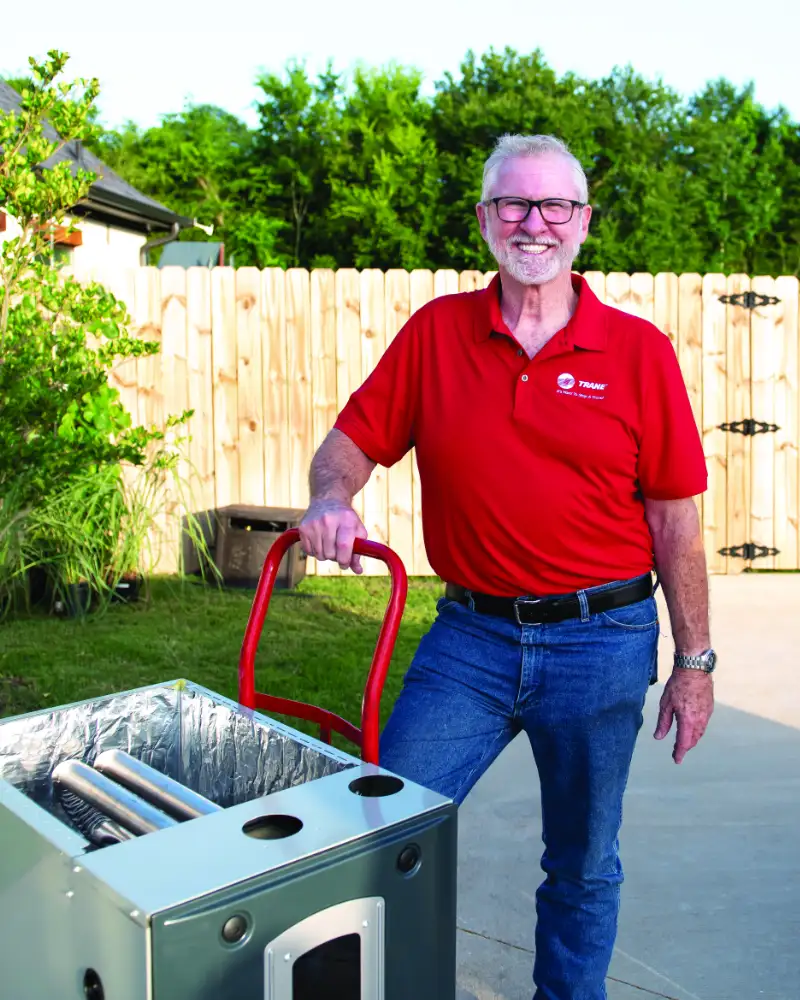
A furnace is a forced-air heating system that warms indoor air and circulates it through your home or building using ductwork, supply vents, and return-air grilles. Depending on the model, the furnace creates heat using natural gas, propane, electricity, or another approved fuel source.
Although different furnace types use different heating methods, most forced-air systems include several key parts:
- A thermostat that tells the system when to heat
- A control board that coordinates furnace operation
- Heating components, such as gas burners or electric heating elements
- An igniter or pilot system on many gas furnaces
- Safety controls that monitor pressure, temperature, flame, and airflow
- A blower motor that moves heated air through ductwork
- An air filter that helps protect equipment and supports airflow
- Supply ducts that distribute warm air to rooms
- Return ducts that bring household air back to the system
When the thermostat calls for heat, the furnace starts a controlled heating cycle. The system verifies that it can operate safely, produces heat, and then activates the blower to circulate warm air through the home. If a safety control detects an unsafe condition, the furnace may shut down or refuse to start.
That is why professional diagnosis is important. A furnace that will not turn on, blows cold air, makes loud sounds, or shuts off repeatedly may have a simple repair need—or it may be responding to an airflow, combustion, electrical, venting, or safety concern.
Gas Furnaces
Gas furnaces are common in homes with access to natural gas or propane. They create heat by burning fuel in a sealed combustion process, then use a heat exchanger to transfer that heat into the indoor air stream. The blower circulates warmed air through the ductwork while combustion gases are vented safely outside.
A typical gas furnace heating cycle involves the thermostat, inducer motor, pressure switch, igniter, burners, flame sensor, heat exchanger, blower motor, venting system, and safety controls. Every component needs to work correctly for the furnace to heat safely and reliably.
Benefits of Gas Furnaces
Gas furnaces can be a strong option for homes that have fuel access and need dependable cold-weather heating. They often deliver noticeably warm supply air and can maintain indoor temperatures effectively during colder conditions.
Potential advantages include:
- Strong heating output during colder weather
- Fast delivery of warm air through ducts
- Compatibility with traditional central air-conditioning systems
- Availability in a range of efficiency levels
- Potentially favorable operating costs, depending on local utility rates and system efficiency
Gas furnaces require proper installation, ventilation, combustion testing, and ongoing professional maintenance. Do not ignore gas odors, soot, yellow flames, repeated burner shutdowns, carbon monoxide alarms, or unusual combustion-related symptoms.
Electric Furnaces
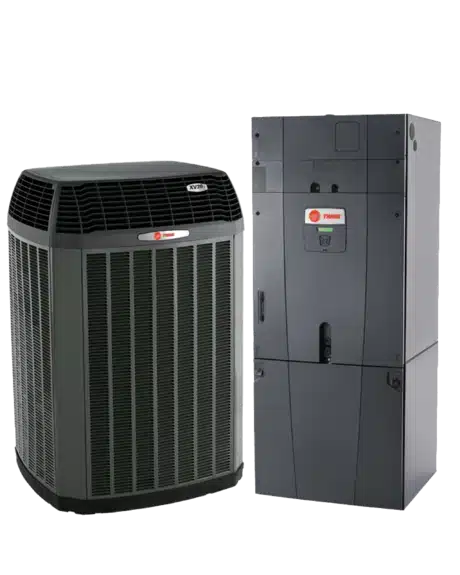
Electric furnaces use electric heating elements rather than fuel-burning burners to create heat. Air passes across the energized elements, and the blower distributes the heated air through the duct system.
An electric furnace does not require a gas line, fuel combustion, or a flue for exhaust gases. However, it still depends on correct electrical connections, relays, sequencers, heating elements, blower components, thermostats, airflow, and safety controls.
Benefits of Electric Furnaces
Electric furnaces may be appropriate for properties without gas service or for homeowners who prefer an all-electric heating setup. They can have lower upfront equipment complexity than combustion systems, though operating costs depend on electric rates, insulation, weather, system efficiency, and heating demand.
Electric furnace issues may include:
- Tripped breakers
- Failed heating elements
- Blower motor or capacitor problems
- Thermostat or control-board issues
- Loose electrical connections
- Airflow restrictions caused by dirty filters or blocked vents
- Limit-switch or safety-control concerns
If an electric furnace repeatedly trips a breaker, emits a persistent burning or electrical odor, or fails to provide heat, turn it off and schedule professional repair. Repeated breaker resets can mask an underlying electrical problem and should not be used as a long-term solution.
High-Efficiency Furnaces
High-efficiency gas furnaces use advanced components and design features to capture more usable heat from the fuel they consume. Many high-efficiency models use sealed combustion and may include a secondary heat exchanger that extracts additional heat before exhaust gases leave the system.
These systems can offer improved efficiency compared with older furnaces, but they also require proper installation and maintenance. High-efficiency furnaces commonly have condensate drainage components because the additional heat-extraction process creates moisture that must drain properly.
A clogged condensate trap or drain line can cause a furnace shutdown. Other potential concerns include pressure-switch failures, venting issues, ignition problems, airflow restrictions, and control-board faults.
High-efficiency equipment is not automatically right for every home. The best furnace should be selected based on the building’s heating needs, ductwork, fuel availability, installation requirements, efficiency goals, budget, and long-term plans. Air Conditioning Services can assess your current heating system and help you compare repair and replacement options.
Furnace Maintenance and Tune-Ups
Annual furnace maintenance is one of the best ways to support safety, comfort, reliability, and equipment life. A professional tune-up gives an HVAC technician an opportunity to inspect the furnace before it experiences its heaviest seasonal use.
During furnace maintenance, a technician may:
- Inspect furnace operation and heating cycles
- Check thermostat settings and system response
- Examine filters and evaluate airflow
- Inspect burners, ignition components, and flame-sensing parts
- Check electrical connections, controls, and safety switches
- Assess blower operation and moving components
- Inspect condensate drainage on high-efficiency systems
- Review visible venting and combustion-related components on gas furnaces
- Identify worn, dirty, loose, or deteriorating parts
- Test the system after service to confirm proper operation
Regular maintenance can help identify minor issues before they cause a complete no-heat breakdown. ACS states that its maintenance service includes cleaning and inspecting the complete HVAC system to help keep it efficient and reliable.
For fuel-burning furnaces, annual service has an added safety purpose. The U.S. Consumer Product Safety Commission recommends professional annual inspections of fuel-burning heating systems, including furnaces, to check for proper operation, carbon monoxide leaks, vent or flue blockages, gas leaks, and adequate ventilation.
Furnace Filters and Airflow
Your furnace filter plays a critical role in airflow and equipment protection. Its job is not only to capture airborne particles; it also helps keep dust and debris from accumulating on internal components, including the blower and coil in systems that share equipment with central air conditioning.
A dirty filter can restrict airflow and make the furnace work harder. Over time, restricted airflow may contribute to overheating, reduced comfort, short cycling, higher utility costs, and unnecessary wear on the blower and safety controls.
Check the filter regularly, especially during periods of frequent heating and cooling use. The right replacement interval depends on the filter type, system use, household size, pets, allergies, construction dust, and indoor-air-quality needs.
Signs you may need a filter change include:
- Visible dust or debris covering the filter
- Weak airflow from vents
- More dust around the home
- Longer heating cycles
- Uneven temperatures
- A furnace that overheats or shuts down unexpectedly
- A filter that appears dark, clogged, or damaged
Always use the correct filter size and install it in the proper direction, following the airflow arrow printed on the frame. If you are unsure which filter to use, ask your HVAC technician during maintenance or repair service.
Furnace Repair: Common Warning Signs
A furnace may need repair when it does not operate as expected, even if it still produces some heat. Addressing unusual symptoms early can help prevent a sudden no-heat emergency.
Call for furnace repair if you notice:
- The furnace will not turn on
- The system starts but does not produce warm air
- Vents blow cool air
- The furnace turns on and off repeatedly
- Some rooms remain cold while others overheat
- Airflow is weak or inconsistent
- The system makes banging, rattling, squealing, grinding, buzzing, or booming sounds
- You smell persistent burning, electrical, fuel-like, or musty odors
- The furnace trips a circuit breaker
- Water is leaking around a high-efficiency furnace
- The thermostat says heat is on, but your home stays cold
- Heating costs rise while comfort declines
Furnace repairs can range from relatively minor service, such as cleaning a flame sensor or replacing an igniter, to more extensive work involving a blower motor, gas valve, control board, heat exchanger, or venting system. ACS provides furnace troubleshooting and repairs that can include heat exchangers, igniters, blower motors, gas valves, and other critical furnace components.
Avoid removing panels, bypassing safety switches, repeatedly resetting breakers, or attempting to repair gas and electrical components yourself. A furnace is a complex system with safety controls designed to prevent unsafe operation.
Furnace Installation and Replacement
No furnace lasts forever. Most furnaces can provide many years of dependable service with good installation, routine maintenance, proper airflow, and timely repairs. Eventually, however, an older system may become less reliable, less efficient, or too costly to maintain.
You may want to discuss replacement when:
- The furnace is around 15 years old or older and needs a major repair
- The system requires frequent repairs
- Energy bills are increasing without another clear cause
- The furnace cannot heat the home evenly
- Major parts are obsolete, unavailable, or expensive
- The system is improperly sized for the home
- A serious safety or combustion-related concern has been confirmed
- You are remodeling, adding living space, or changing the home’s heating needs
A new furnace should be selected using more than the old unit’s size. Proper installation begins with understanding your home’s square footage, layout, insulation, windows, ductwork, air leakage, occupancy, fuel availability, and heating load.
An oversized furnace can short cycle, while an undersized furnace can struggle to keep up during cold weather. Proper sizing, compatible equipment, correct airflow, safe venting, and professional commissioning all influence the comfort and life expectancy of a replacement system.
ACS offers installation and replacement support designed to fit the property’s heating requirements. Its local service information notes that the company can size, quote, and install new HVAC equipment tailored to a home’s needs when a system is beyond repair.
Furnace Safety and Carbon Monoxide
Furnace safety is especially important for gas, propane, oil, and other fuel-burning heating systems. Carbon monoxide, commonly called CO, is an odorless, colorless gas produced whenever fossil fuels burn. At dangerous levels, it can cause sudden illness or death.
A well-maintained furnace and properly functioning venting system are important safeguards, but every home with fuel-burning appliances should also have working carbon monoxide alarms.
The CDC recommends:
- Having your furnace inspected every year
- Installing battery-operated or battery-backup carbon monoxide detectors near every sleeping area
- Checking carbon monoxide detectors regularly to ensure they function properly
The CPSC also recommends carbon monoxide alarms on each level of the home, outside sleeping areas, along with annual professional inspections of fuel-burning appliances, chimneys, flues, and vents.
Leave the home and contact emergency services or the gas utility from outside if you smell gas, hear a carbon monoxide alarm, see smoke, suspect a gas leak, or experience possible carbon monoxide symptoms such as dizziness, nausea, confusion, weakness, chest pain, or flu-like symptoms that improve after leaving the building. Do not turn switches on or off, light matches, restart the furnace, or attempt to find a suspected gas leak yourself.
Annual Furnace Inspection
An annual furnace inspection provides peace of mind before the heating season. It gives your HVAC technician a chance to evaluate the furnace’s safety, efficiency, airflow, combustion-related operation, controls, and visible condition.
For gas furnaces, an inspection may include examination of burners, ignition components, flame sensing, venting, safety switches, heat-exchanger condition, fuel connections, electrical components, blower performance, filters, and condensate drainage when applicable.
For electric furnaces, the technician may inspect heating elements, electrical connections, relays, sequencers, controls, blower components, thermostat operation, filters, and airflow.
Annual service is also a good time to ask questions about the age and health of your equipment. If your furnace is nearing the end of its expected service life, your technician can explain whether maintenance and repair remain practical or whether replacement planning would better protect your comfort and budget.
Furnace Resources
Explore the following furnace resources for more in-depth information about system types, upkeep, performance, safety, repairs, and replacement decisions:
- Gas Furnaces
- Electric Furnaces
- High Efficiency Furnaces
- Furnace Maintenance
- Furnace Tune Ups
- Furnace Installation
- Furnace Repair
- Furnace Replacement
- Furnace Filters
- Furnace Safety
- Carbon Monoxide
- Annual Furnace Inspection
Schedule Furnace Service in Gainesville, GA
Whether you need furnace maintenance, a seasonal tune-up, a repair, a safety inspection, or a replacement consultation, Air Conditioning Services is ready to help. Our team provides professional heating services for homes and businesses in Gainesville, GA, and Northeast Georgia.
Call Air Conditioning Services at 770-532-0731 today to schedule furnace service and keep your heating system operating safely, efficiently, and reliably.
Open 7AM - 5PM Monday-Friday
Quick Contact Form
Make a Payment

Our Service Area
We have happy customers all around the Northeast Georgia area. We’ve provided HVAC services for homes and businesses in:
· Hall County: Clermont, Flowery Branch, Gainesville, Lula, & Oakwood
· Habersham County: Alto, Baldwin, Clarkesville, Cornelia, Demorest, Mount Airy & Tallulah Falls
· Gwinnett County: Dacula, Sugar Hill, Buford, Lawrenceville
· Jackson County: Pendergrass, Arcade, Braselton, Commerce, Hoschton, Jefferson, Maysville, Nicholson & Talmo
· Stephens County: Martin & Toccoa
· Dawson County: Dawsonville
· Lumpkin County: Dahlonega
· Forsyth County: Cumming
Contact us today when you need HVAC services you can trust.