

Gas Heat | How It Works, Efficiency & Installation
Explore how gas heating systems operate, what efficiency ratings mean, safety fundamentals, and when gas is the best heating choice. Call ACS today.

Gas Heat: Reliable Warmth for Cold Weather
Gas heating systems use controlled combustion to generate heat and distribute it through your home or business. Unlike electric-only systems that move or resistively create heat, a gas furnace burns natural gas or propane in a sealed burner assembly, transferring heat to indoor air through a heat exchanger.
For many properties in Gainesville and Northeast Georgia, gas heat delivers fast, consistent comfort during chilly snaps and damp winters. When sized and vented correctly, gas furnaces provide strong supply-air temperatures, quick recovery after setback, and dependable performance across a wide range of outdoor conditions.
Air Conditioning Services (ACS) provides gas furnace installation, replacement, and maintenance services for residential and commercial customers. Our highly trained HVAC contractors work on all brands, makes, and models and take time to explain how your system operates, what efficiency levels mean, and which equipment options match your fuel availability and comfort goals. ACS is licensed, insured, and bonded, and our products and services are backed by a 100% guarantee.
Whether you’re evaluating natural gas vs. propane, comparing AFUE ratings, or deciding between a standalone furnace and a dual-fuel setup, this guide highlights the key gas heat essentials every property owner should know.
What Is Gas Heat?
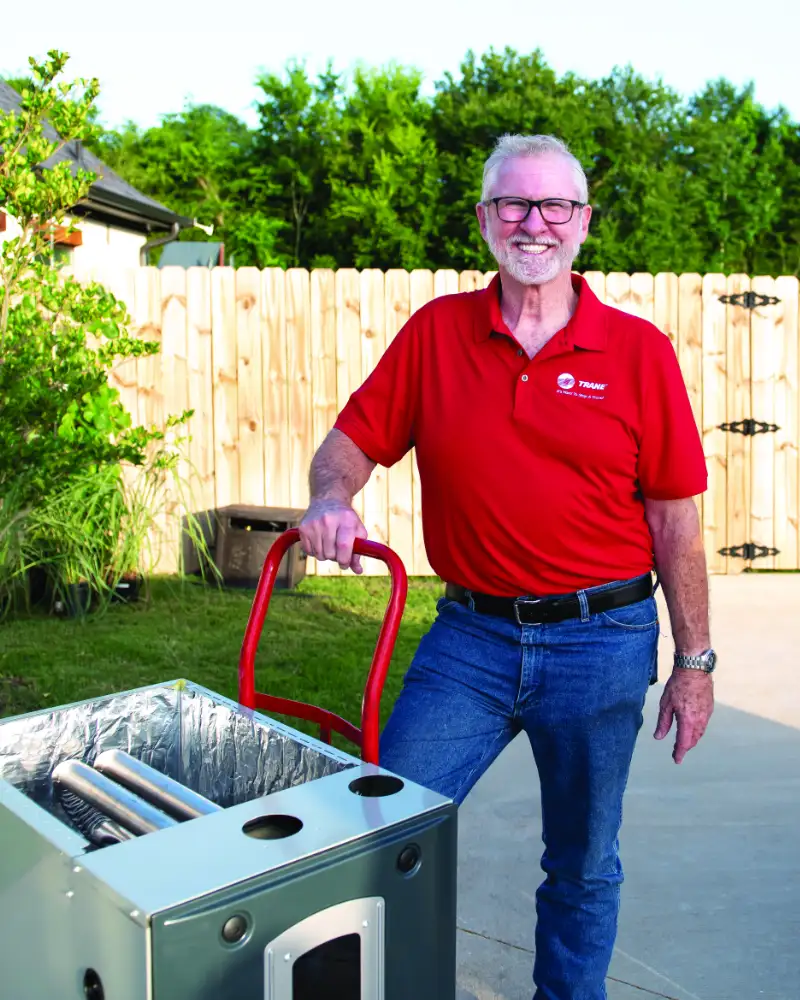
Gas heat uses a furnace that combusts natural gas or propane to create thermal energy. The burner assembly ignites fuel and directs the flame against a metal heat exchanger. A blower then moves indoor air across the hot heat exchanger, raising the air temperature without mixing combustion gases with the air you breathe.
In heating season, the thermostat signals the control board to open the gas valve, ignite the burners, and start the circulation blower after the heat exchanger reaches safe temperature. The warmed air travels through your ductwork to living spaces, while flue gases are safely vented outdoors.
Modern furnaces offer advanced features such as two-stage or modulating gas valves for smoother temperature control, variable-speed blowers for quieter operation, and sealed combustion that draws combustion air from outside to enhance safety and efficiency.
Most ducted gas heating systems include:
- Burners and gas valve: Meter and ignite natural gas or propane at the correct manifold pressure.
- Heat exchanger: Transfers heat from combustion to indoor air while keeping flue gases sealed from the airstream.
- Blower and motor: Circulates warmed air through supply ducts and returns cooler air to the furnace.
- Ignition system: Typically hot-surface or spark ignition for reliable burner lighting.
- Control board and safety switches: Coordinate operation and monitor flame, temperature, and airflow.
- Thermostat: Signals the furnace when to start, modulate, or stop heating.
- Venting and flue: Removes combustion byproducts; may be metal venting or PVC in high-efficiency models.
- Fuel supply: Natural gas line or a propane storage tank with regulator and proper sizing.
Because gas furnaces involve combustion, venting, and precise controls, professional installation, annual maintenance, and safety checks are essential for performance and peace of mind.
How Gas Furnaces Create Heat
Understanding the combustion and airflow sequence helps explain furnace behavior, efficiency, and safety.
Burners, Ignition, and Heat Exchanger
When heat is called, the inducer motor starts to establish draft. The control board verifies proper airflow and opens the gas valve. Igniters light the burners, producing a steady flame that heats the primary heat exchanger. In condensing furnaces, a secondary heat exchanger extracts additional heat from the flue gases for higher efficiency.
As the heat exchanger warms, the blower activates to move indoor air across the hot surfaces. The air absorbs heat and is distributed through supply ducts to your rooms, while combustion byproducts are vented outside via a flue system.
If flame sensing, draft, or temperature limits fall out of range, safety controls shut down the furnace and lock out operation until conditions are corrected. This is by design to protect your home and equipment.
Air Delivery and Comfort Control
Two-stage and modulating furnaces adjust gas input for steadier temperatures and quieter operation. Variable-speed blowers fine-tune airflow, improving comfort and often boosting filtration. Compared with heat pumps, supply air from gas furnaces typically feels hotter, which many people prefer during cold spells.
Because combustion creates moisture that later condenses in high-efficiency units, condensing furnaces include a condensate drain and often PVC venting. Proper pitch, traps, and freeze protection prevent drainage issues and help maintain performance.
Consistent comfort depends on correct sizing, duct design, and verified combustion. ACS performs load calculations and combustion analysis to make sure your gas furnace operates safely and efficiently.
Benefits of Gas Heat
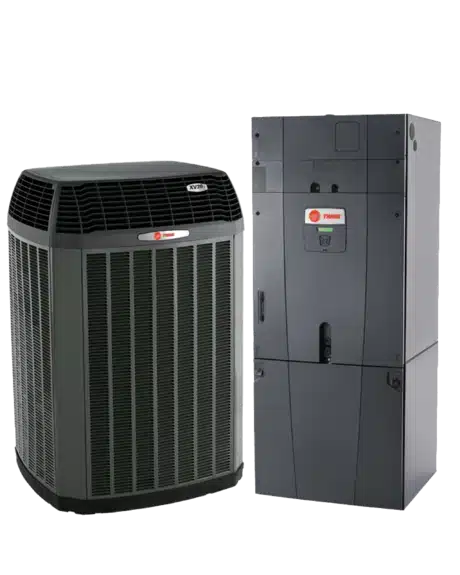
When selected and installed for your home’s layout and fuel access, gas heat offers strong performance and value.
- High comfort output: Gas furnaces deliver warmer supply air and fast recovery after setbacks, ideal for cold mornings and damp weather.
- Efficiency choices: Models range from standard efficiency to condensing designs, with AFUE ratings up to 98% for lower fuel use.
- Fuel flexibility: Operate on natural gas where service is available or propane with a properly sized tank and regulator.
- Sealed combustion options: Draw combustion air from outdoors to enhance safety and reduce drafts.
- Compatible with existing ducts: Works seamlessly with central ductwork and modern thermostats, including smart controls.
- Dual-fuel ready: Can be paired with a heat pump for a hybrid system that optimizes operating cost by outdoor temperature.
The best heating approach depends on your building, not just the equipment type. Square footage, insulation, duct condition, fuel pricing, electric rates, and climate all factor into whether a gas furnace—or a dual-fuel setup—is the right fit.
Efficiency, Venting, and Safety Basics
Gas furnace efficiency is measured by AFUE (Annual Fuel Utilization Efficiency). An 80% AFUE unit vents via metal flue, while a 90–98% AFUE condensing furnace extracts more heat and typically uses PVC intake and exhaust for sealed combustion.
Proper venting and combustion air are critical. Sealed-combustion models bring in outside air, reducing the risk of backdrafts. All gas systems should have working CO detectors on each level, accessible gas shutoff valves, and routine inspections to verify combustion, manifold pressure, and draft.
Operating cost depends on local gas and electric rates, equipment efficiency, and runtime. In colder climates or homes with existing gas lines, gas heat often provides lower cost-per-BTU and stronger comfort than electric-only systems. If you’re considering a hybrid approach, ACS can evaluate dual-fuel strategies that balance comfort and cost.
Gas Heat Basics and Common Concerns
Gas heating systems deliver reliable warmth by burning natural gas or propane and transferring heat through a heat exchanger to the air that circulates through your ducts. Because combustion, venting, and airflow all work together, minor issues can affect comfort and safety if they aren’t addressed promptly.
How Gas Furnaces Produce Heat
When your thermostat calls for heat, the control board energizes the inducer fan to establish draft, verifies safety switches, then opens the gas valve. Burners ignite and heat the heat exchanger. The blower then pushes air across the exchanger, sending warmed air into your home. If your home feels cool while the furnace runs, first confirm the thermostat is set to “heat” and above room temperature, and make sure the filter isn’t clogged and vents are open.
If the problem persists, causes may include a faulty flame sensor, dirty burners, inadequate combustion air, a cracked or plugged heat exchanger, blower motor issues, a failing ignition system (hot surface igniter or spark), or a malfunctioning gas valve or control board. A qualified technician from Air Conditioning Services (ACS) can perform combustion analysis, verify manifold pressure, and pinpoint the issue safely.
Understanding Efficiency and AFUE
AFUE (Annual Fuel Utilization Efficiency) indicates how much of the fuel’s energy becomes usable heat. Standard units may be 80% AFUE with metal flues, while high-efficiency condensing furnaces reach 90–98% AFUE and vent with PVC. If your furnace cycles often, struggles to reach setpoint, or costs more to run than expected, efficiency losses from dirty components, duct leakage, or incorrect gas pressure could be to blame.
Venting and Combustion Air
Proper venting removes flue gases and moisture safely. Older furnaces typically use metal chimneys, while sealed-combustion, high-efficiency models use direct-vent PVC with separate intake and exhaust. Inadequate combustion air, blocked flues, or failed pressure switches can prevent ignition or lead to shutdowns. These systems should never be altered without a professional evaluation.
Do not attempt DIY fixes to vent pipes, pressure switches, or flame sensors. If you notice soot, persistent odors, or visible corrosion on venting, turn off the furnace if advised by your HVAC provider and schedule service.
Short Cycling
Short cycling occurs when the furnace starts and stops frequently. It can be caused by an oversized furnace, restricted airflow from a dirty filter, a blocked return, improper duct static pressure, thermostat issues, a failing limit switch, or incorrect gas input. Short cycling reduces comfort, stresses components, and wastes fuel.
Weak Airflow
Insufficient airflow can leave rooms chilly even when the burners are firing. Common causes include a dirty filter, closed or obstructed vents, a failing blower motor or capacitor, duct restrictions, or improperly balanced dampers. Check the filter and registers first; if airflow remains weak, ACS can measure static pressure and assess blower performance and duct design.
Unusual Noises
Normal operation includes a soft “whoosh” at ignition and blower sound. Concerning noises—such as banging on startup (delayed ignition), loud scraping (blower wheel issues), rumbling after shutdown, whistling (air restriction), or persistent clicking—may signal burner contamination, ignition problems, loose components, or duct pressure issues.
Call for service promptly if new or worsening noises coincide with poor heating, frequent shutdowns, a burning odor, or tripped breakers. ACS can test safeties, check gas pressure, and adjust combustion for safe, efficient operation.
Gas Heat Maintenance
Annual furnace maintenance helps ensure safe combustion, dependable comfort, and optimal efficiency. Because gas systems involve fuel, flame, and venting, professional inspections are essential to verify that the system operates within manufacturer and code requirements before peak heating demand.
A gas heat maintenance visit may involve inspection and testing of applicable components, including:
- Thermostat operation, settings, and controls.
- Air filter condition and overall airflow.
- Burners, ignition system (hot surface igniter/spark), and flame sensor.
- Gas valve function, manifold pressure, and combustion analysis.
- Electrical connections, capacitors, relays, and control boards.
- Blower motor, wheel cleanliness, and belt (if applicable).
- Condensate trap, drain, and tubing on condensing furnaces.
- Pressure switches, inducer motor, and venting integrity.
- Heat exchanger condition (visual and diagnostic checks) and overall system condition.
- Ductwork-related comfort or airflow concerns.
The exact tune-up process depends on furnace type (80% vs. condensing), venting method, manufacturer specifications, and technician findings. While maintenance cannot prevent every failure, it can reveal safety issues, improve efficiency, and extend equipment life—giving you a clear picture of your furnace’s health.
Between professional visits, homeowners can replace filters as directed, keep supply and return vents unobstructed, maintain clear space around the furnace for combustion air, and monitor for changes in burner sound, cycling, odors, and utility costs. Install and regularly test carbon monoxide (CO) detectors on each level of the home.
Upgrade or Keep Your Gas Furnace?
Repairs are often practical for newer furnaces with isolated issues, such as a failed igniter, dirty flame sensor, clogged condensate line, or minor control fault. When a furnace has frequent breakdowns, a compromised heat exchanger, rising fuel use, or is near the end of its service life, discussing replacement can be wise—especially if you want higher AFUE, quieter operation, or advanced features like two-stage or modulating gas valves.
Replacement may also make sense during renovations or when improving duct design, adding zoning, or switching fuel sources (natural gas vs. propane). In some homes, a dual fuel setup that pairs a heat pump with a gas furnace can reduce operating costs in variable weather; ACS can explain these options without diving deeper than this page’s scope.
Proper sizing is essential. An oversized furnace can short cycle and create temperature swings, while an undersized unit may run continuously and struggle on cold nights. Before recommending equipment, an HVAC contractor should evaluate home size, insulation, window performance, duct static pressure, venting path, gas availability, and comfort goals.
ACS provides heating and air system installation and helps customers review system sizes and types that are effective and affordable for their homes or offices. The team emphasizes clear recommendations so customers can make informed decisions without pressure.
Gas Heat Service in Gainesville and Northeast Georgia
If your gas furnace won’t ignite, short cycles, produces unusual odors, or is due for a safety check, professional service can restore performance and peace of mind.
Air Conditioning Services provides residential and commercial HVAC service throughout Gainesville and Northeast Georgia. ACS has generations of experience installing, maintaining, and repairing heating and air systems of all brands. The company offers flexible scheduling, employs highly trained and background-checked HVAC contractors, and backs its products and services with a 100% guarantee.
ACS serves customers across Hall, Habersham, Gwinnett, Jackson, Stephens, Dawson, Lumpkin, and Forsyth counties, including Gainesville, Flowery Branch, Oakwood, Clermont, Lula, Buford, Braselton, Dawsonville, Dahlonega, and Cumming.
For dependable gas heat maintenance, efficiency upgrades, installation, or guidance on fuel options, call Air Conditioning Services at 770-532-0731.
Professional Gas Heat Service in Northeast Georgia
Gas furnaces combine electrical controls, moving components, and live combustion. Expert service ensures proper diagnosis and that any maintenance, adjustments, or replacement work protects efficiency, comfort, and safety—especially around ignition, gas pressure, and venting.
Air Conditioning Services offers residential and commercial HVAC support across Northeast Georgia, including Gainesville, Flowery Branch, Oakwood, Clermont, Lula, Buford, Braselton, Dawsonville, Dahlonega, Cumming, and surrounding communities. ACS technicians are highly trained, background-checked, and experienced in installing, maintaining, and repairing heating and air systems of all brands.
If your gas furnace is cycling irregularly, failing to light, producing cold air, or ready for a seasonal safety inspection, call Air Conditioning Services at 770-532-0731. ACS will evaluate combustion and airflow, explain your options clearly, and help you choose the right path for dependable, efficient heat.
Open 7AM - 5PM Monday-Friday
Quick Contact Form
Make a Payment

Our Service Area
We have happy customers all around the Northeast Georgia area. We’ve provided HVAC services for homes and businesses in:
· Hall County: Clermont, Flowery Branch, Gainesville, Lula, & Oakwood
· Habersham County: Alto, Baldwin, Clarkesville, Cornelia, Demorest, Mount Airy & Tallulah Falls
· Gwinnett County: Dacula, Sugar Hill, Buford, Lawrenceville
· Jackson County: Pendergrass, Arcade, Braselton, Commerce, Hoschton, Jefferson, Maysville, Nicholson & Talmo
· Stephens County: Martin & Toccoa
· Dawson County: Dawsonville
· Lumpkin County: Dahlonega
· Forsyth County: Cumming
Contact us today when you need HVAC services you can trust.