
Furnaces | Repair, Maintenance & Installation
Learn how furnaces work, when to schedule repair or maintenance, and when replacement may help. Call Air Conditioning Services today.

Furnaces: Reliable Heating for Homes and Businesses
A furnace is one of the most common central heating systems for homes and businesses in Gainesville and throughout Northeast Georgia. When cold weather arrives, a dependable furnace helps keep indoor spaces warm, supports consistent airflow, and gives families, employees, customers, and tenants a more comfortable environment.
Air Conditioning Services (ACS) provides furnace repair, maintenance, installation, and replacement support for residential and commercial customers. Our HVAC contractors service all brands, makes, and models, with a focus on diagnosing the problem accurately, explaining the available options, and helping you make an informed decision for your property. ACS is licensed, insured, and bonded, and the company backs its products and services with a 100% guarantee.
Whether you are considering a new furnace, trying to decide if your current system needs repair, or looking for ways to prepare for winter, this guide explains how furnaces work and what to expect from professional furnace service.
What Is a Furnace?
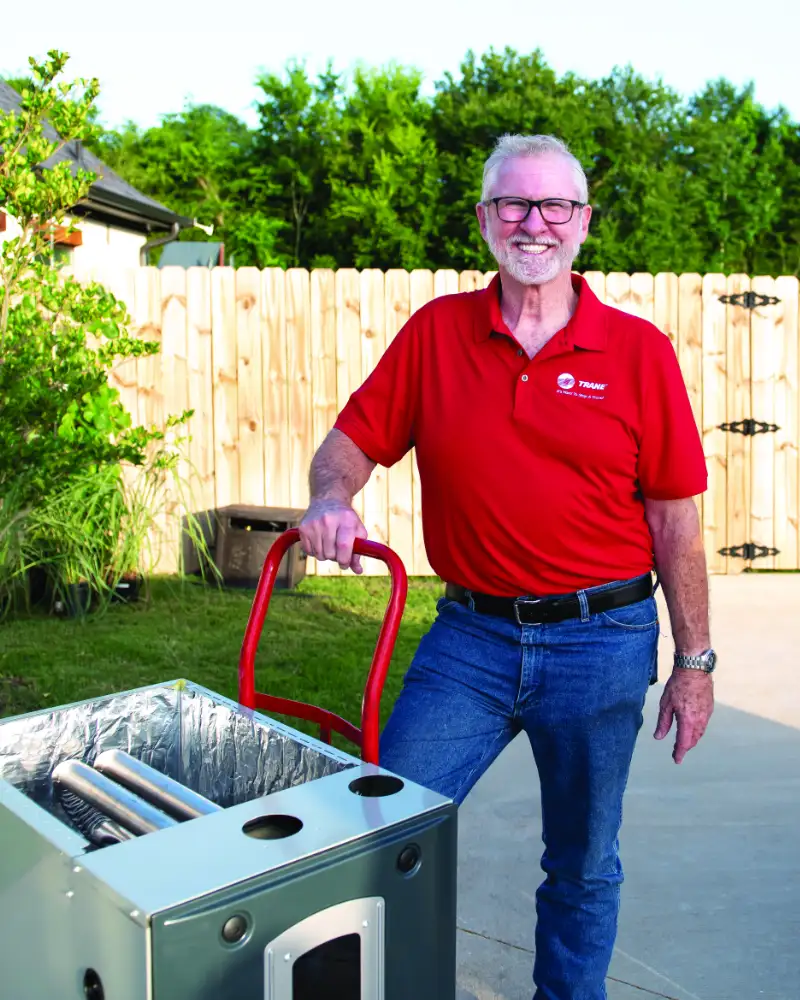
A furnace is a heating system that creates heat and distributes warm air through a building. Most central furnaces use a blower to send heated air through ductwork, where it exits through supply vents into individual rooms. Cooler indoor air then returns to the furnace through return ducts to be heated again.
Furnaces are generally categorized by the energy source they use. The most common options include gas and electric furnaces.
A gas furnace uses natural gas or propane to produce heat. Gas burners ignite inside a combustion chamber, and a heat exchanger transfers that heat to the air circulating through the system. The combustion gases are directed safely outside through the furnace venting system.
An electric furnace uses electric resistance heating elements to warm the air. Rather than burning fuel, electricity passes through heating elements that become hot. The blower then circulates the warmed air through the ducts.
Both options can provide reliable central heating when professionally sized, installed, maintained, and repaired as needed. The right type of furnace depends on factors such as access to natural gas, local utility costs, the existing HVAC setup, home size, insulation, ductwork condition, and your household’s comfort priorities.
How a Furnace Works
Furnaces may vary by manufacturer and fuel type, but most follow a similar sequence when the thermostat calls for heat.
- The thermostat detects a need for heat. When the indoor temperature falls below your selected setting, the thermostat signals the furnace to begin a heating cycle.
- The furnace starts its safety sequence. In a gas furnace, the system may begin by checking safety switches, starting the draft inducer, and confirming that it can vent combustion gases correctly.
- The furnace produces heat. A gas furnace ignites its burners, while an electric furnace activates its heating elements.
- Heat transfers to the indoor air. In a gas system, the heat exchanger separates combustion gases from the air that will circulate through your home or business.
- The blower moves warm air through ducts. Once the furnace reaches the appropriate operating temperature, the blower distributes warm air through supply vents.
- The thermostat ends the heating cycle. When the desired temperature is reached, the heat source turns off. The blower may continue briefly to distribute remaining heat safely and efficiently.
If a component cannot complete its role in this process, the furnace may fail to start, run without producing enough heat, cycle on and off too often, or shut down as a safety precaution. Professional diagnosis is important because the same symptom can have several possible causes.
Benefits of a Furnace Heating System
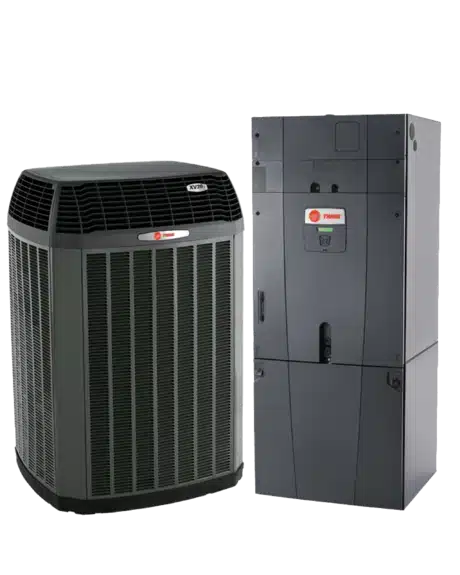
Furnaces remain a popular heating choice because they can provide strong, consistent warmth during cold weather. Modern systems also offer options that may improve comfort and energy performance when matched correctly to the building.
Potential benefits include:
- Fast, powerful heating: Furnaces can raise indoor temperatures quickly, which can be especially helpful during colder mornings and winter cold snaps.
- Consistent whole-home comfort: A properly designed furnace and duct system can distribute heat throughout a home or commercial space.
- Fuel flexibility: Homeowners may choose between gas or electric furnace options based on availability, operating preferences, and property needs.
- Compatibility with central AC: Many furnaces share ductwork and a blower with a central air conditioning system, allowing one distribution system to support year-round comfort.
- Multiple efficiency options: Furnace models are available with different efficiency ratings, blower designs, and comfort features. An HVAC professional can help identify a system that fits your property rather than recommending equipment based only on size or price.
- Long-term serviceability: With appropriate installation, maintenance, and repairs, a furnace can provide dependable heating for many years.
The performance of any furnace depends on more than the equipment itself. Duct design, insulation, air sealing, filter condition, thermostat settings, installation quality, and maintenance all influence real-world comfort and operating costs.
Gas Furnaces vs. Electric Furnaces
Gas and electric furnaces both provide central forced-air heating, but they differ in how they generate heat and what installation requirements they have.
Consideration |
Gas Furnace |
Electric Furnace |
|
Heat source |
Natural gas or propane |
Electric resistance heating elements |
|
Installation needs |
Fuel connection, combustion venting, electrical service, and ductwork |
Electrical service and ductwork; no combustion venting required |
|
Heating output |
Often provides strong heat quickly |
Can provide reliable heat but may have different operating-cost considerations |
|
Safety needs |
Requires professional inspection of burners, venting, ignition, and heat exchanger |
Requires professional inspection of electrical components, wiring, heating elements, and controls |
|
Best fit |
Homes or businesses with available gas service and a preference for gas heat |
Properties without gas availability or those designed for all-electric systems |
There is no universal “best” choice. ACS can review your existing system, heating needs, building layout, available energy sources, and budget before helping you compare options. The company provides heating and air system installation designed around the size and needs of the home or office.
Common Furnace Problems
A furnace often gives warning signs before it stops working entirely. If you notice a change in heating performance, scheduling service promptly can help identify the cause before your system leaves you without heat.
Furnace Is Not Producing Heat
A no-heat problem may be caused by something as simple as an incorrect thermostat setting, a tripped breaker, or a clogged filter. It can also involve a failed igniter, flame sensor issue, gas supply concern, control board malfunction, electrical problem, or a safety switch preventing operation.
Before calling for service, confirm that the thermostat is set to “heat,” the selected temperature is above the current room temperature, and the furnace switch and breaker are in the correct position. If the problem continues, contact a qualified HVAC technician.
Furnace Blows Cool Air
Cool air from the vents may occur if the blower is running but the furnace is not completing its heating cycle. Possible causes include ignition trouble, a flame sensor issue, a heating-element problem, thermostat concerns, or another system malfunction. A technician can determine why the furnace is circulating air without producing adequate heat.
Frequent Cycling
Short cycling occurs when a furnace turns on and off more often than normal. This can increase equipment wear, reduce comfort, and raise energy use. A dirty filter, airflow issue, thermostat problem, overheating condition, oversized equipment, or malfunctioning component may contribute to frequent cycling.
Weak Airflow
If the furnace is operating but airflow at the vents feels weak, the issue may involve a dirty air filter, blocked return vent, duct restriction, blower problem, or other airflow-related condition. Keep vents and return grilles open and free from furniture, rugs, or storage items, then schedule professional service if airflow remains limited.
Unusual Noises or Odors
Rattling, banging, squealing, grinding, buzzing, or repeated clicking can signal a mechanical, electrical, ignition, or airflow issue. A brief dusty smell may occur when heating equipment first operates after a long period of inactivity, but ongoing burning odors, strong electrical smells, or other unusual odors should be inspected promptly.
If you smell gas or suspect a gas leak, leave the building if necessary, avoid switches and open flames, and contact your gas utility or emergency services from a safe location. Do not attempt to repair gas equipment yourself.
Furnace Maintenance Helps Protect Comfort
Regular furnace maintenance is one of the most practical ways to prepare for cooler weather. A professional tune-up gives an HVAC technician the opportunity to inspect operating components, look for signs of wear, test applicable safety features, and address maintenance needs before the system is used heavily.
Depending on the type and condition of your furnace, professional maintenance may include checking:
- Thermostat operation and heating controls.
- Air filters, airflow, and blower performance.
- Electrical connections and components.
- Gas burners, ignition parts, flame sensors, and safety controls.
- Heat exchanger condition and combustion-related components.
- Venting and drainage where applicable.
- Furnace cycling patterns, sounds, and overall heating performance.
Homeowners and property managers can also support furnace performance by changing filters according to the manufacturer’s recommendations and household conditions. Homes with pets, high dust levels, renovations, or allergy concerns may need more frequent filter attention. Keep the area around the furnace clear, avoid closing too many supply vents, and have persistent heating concerns evaluated by a professional.
ACS provides maintenance and repair for heating systems and can help customers keep their equipment operating as reliably as possible.
When to Repair or Replace a Furnace
Many furnace problems can be repaired. A professional technician should inspect the equipment, identify the cause, and explain the practical options before you decide how to move forward.
Repair may be appropriate when the furnace is relatively new, has been maintained, and has an isolated issue such as a failed electrical component, thermostat-related concern, igniter problem, blower component, or sensor issue.
Replacement may deserve consideration when the furnace has recurring breakdowns, requires a major repair, provides inconsistent heating, or is nearing the end of its useful service life. You may also want to explore replacement if your utility costs have increased, your home has persistent comfort problems, or your current equipment is no longer appropriately sized for the building.
A replacement decision should not be based on age alone. A qualified HVAC contractor should consider the system’s repair history, overall condition, efficiency, equipment size, ductwork, insulation, fuel type, and your plans for the property. ACS reviews the size and type of heating and air system that is most effective and affordable for a home or office, helping customers make informed decisions without pressure.
Professional Furnace Service in Northeast Georgia
A furnace is a complex system with electrical controls, moving parts, high temperatures, and—in gas systems—fuel and combustion components. Professional service helps ensure the issue is diagnosed correctly and that repairs, maintenance, or installation work is completed with attention to safety and system performance.
Air Conditioning Services offers residential and commercial HVAC support across Northeast Georgia, including Gainesville, Flowery Branch, Oakwood, Clermont, Lula, Buford, Braselton, Dawsonville, Dahlonega, Cumming, and surrounding communities. ACS technicians are highly trained, background-checked, and experienced in installing, maintaining, and repairing heating and air systems of all brands.
If your furnace is making unusual noises, not heating consistently, blowing cool air, or due for seasonal maintenance, call Air Conditioning Services at 770-532-0731. ACS can assess your heating system, explain your options clearly, and help restore the dependable comfort your home or business needs.
Open 7AM - 5PM Monday-Friday
Quick Contact Form
Make a Payment

Our Service Area
We have happy customers all around the Northeast Georgia area. We’ve provided HVAC services for homes and businesses in:
· Hall County: Clermont, Flowery Branch, Gainesville, Lula, & Oakwood
· Habersham County: Alto, Baldwin, Clarkesville, Cornelia, Demorest, Mount Airy & Tallulah Falls
· Gwinnett County: Dacula, Sugar Hill, Buford, Lawrenceville
· Jackson County: Pendergrass, Arcade, Braselton, Commerce, Hoschton, Jefferson, Maysville, Nicholson & Talmo
· Stephens County: Martin & Toccoa
· Dawson County: Dawsonville
· Lumpkin County: Dahlonega
· Forsyth County: Cumming
Contact us today when you need HVAC services you can trust.