
Emergency Heating Problems | Air Conditioning Services
No heat or unsafe furnace symptoms? Call Air Conditioning Services for fast emergency heating repair in Gainesville, GA. Request service today.

Emergency Heating Problems: Fast, Safe Heating Help
When your furnace or heat pump stops working, your home can become uncomfortable quickly—and some heating problems can create real safety concerns. Air Conditioning Services provides responsive emergency heating repair for homeowners in Gainesville, Georgia, and nearby communities. If you have no heat, smell burning, hear unusual noises, or suspect a gas-related issue, contact our team for professional diagnosis and repair.
Emergency heating problems are rarely convenient. They may happen overnight, during a cold snap, before guests arrive, or when a household member is especially vulnerable to cold indoor temperatures. Rather than guessing at the cause or attempting a repair that could damage the equipment, turn to a qualified HVAC professional who can inspect the complete heating system, identify the underlying issue, and explain practical repair options.
When Is a Heating Problem an Emergency?
A heating issue deserves prompt attention when it affects household safety, leaves your home without reliable heat, or signals a potential equipment failure. While a dirty filter or incorrect thermostat setting may be simple to correct, persistent heating failures should be professionally evaluated.
Call for emergency heating service if you notice:
- A complete loss of heat during cold weather
- A furnace or heat pump that will not turn on
- A burning, electrical, gas, or fuel-like odor
- Loud banging, screeching, grinding, rattling, or booming sounds
- A heat pump covered in heavy ice or frost
- Frequent shutdowns, repeated cycling, or a system that trips breakers
- A yellow or flickering furnace flame instead of a steady blue flame
- Signs of water near indoor equipment, electrical components, or a heat pump
- Physical symptoms such as headaches, dizziness, nausea, or confusion that may be associated with carbon monoxide exposure
If you smell gas, suspect a carbon monoxide issue, see smoke, or hear a carbon monoxide alarm, leave the home immediately when it is safe to do so. Contact your gas utility or emergency services from outside, then arrange for HVAC service once the property has been cleared as appropriate. Do not try to restart a furnace when there is a suspected combustion, gas, or electrical hazard.
Common Emergency Heating Problems We Diagnose
Heating systems rely on multiple parts working together: the thermostat, electrical connections, safety switches, blower motor, ignition components, burners, refrigerant system, ductwork, and more. A failure in one area can prevent the entire system from delivering dependable heat.
Furnace Will Not Start
A furnace that will not turn on may have a thermostat issue, tripped breaker, failed ignition system, dirty flame sensor, safety switch problem, clogged condensate drain, or malfunctioning control board. In gas furnaces, an ignition or fuel-delivery issue can prevent the burners from lighting properly.
Before calling, homeowners can safely confirm that the thermostat is set to “Heat,” the temperature setting is above the current indoor temperature, and the electrical panel has no tripped breakers. If the problem continues, avoid repeatedly resetting the system. Repeated restart attempts can make diagnosis more difficult and may place additional strain on certain components.
Furnace Blowing Cold Air
Cold air from the vents does not always mean the furnace has failed completely, but it does mean the system needs attention. The cause may be a thermostat fan setting, a dirty air filter restricting airflow, an ignition failure, overheating safety shutdown, a flame-sensor issue, or a problem with the duct system.
Set the thermostat fan to “Auto” rather than “On” to see whether the issue changes. If the furnace continues to blow unheated air, turn the system off and schedule professional service. Running a malfunctioning furnace can increase wear, reduce comfort, and allow a smaller repair to become a larger one.
Heat Pump Not Heating
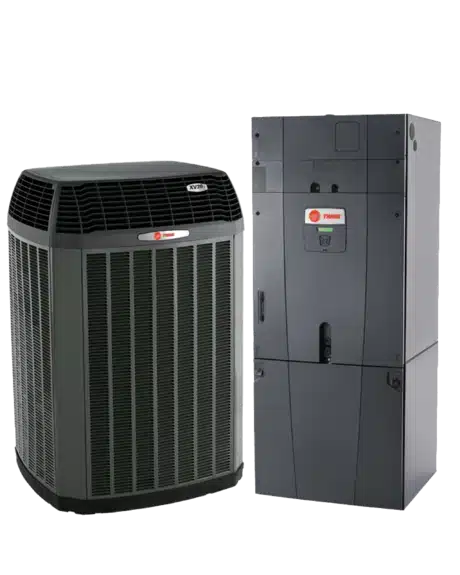
Heat pumps operate differently from furnaces. Instead of creating heat through combustion, a heat pump transfers heat from outdoor air into the home. In Gainesville’s mild winter climate, heat pumps can be an efficient heating option, but they still need proper airflow, refrigerant charge, electrical operation, and defrost performance to work correctly.
A heat pump that is not heating may have a refrigerant leak, compressor issue, reversing-valve problem, thermostat malfunction, frozen outdoor coil, electrical fault, or airflow restriction. Our technicians inspect the system as a whole rather than replacing parts based on symptoms alone.
Frozen Heat Pump
Light frost can occur on an outdoor heat-pump unit in cool, damp weather. The defrost cycle is designed to clear normal frost buildup. Thick ice that does not clear, however, can block airflow and interfere with the system’s ability to heat your home.
Do not chip ice from the unit with sharp tools or pour extremely hot water over the equipment. This can damage delicate coil fins and components. Turn the system off if ice is extensive, then contact Air Conditioning Services for heat-pump repair. A technician can check the defrost controls, sensors, refrigerant levels, fan operation, drainage, and other possible causes.
Warning Signs You Should Not Ignore
Some heating problems start subtly before they become urgent. Addressing early warning signs can help protect your comfort, reduce the risk of a full system shutdown, and potentially limit repair costs.
Watch for changes such as:
- Longer heating cycles or rooms that never reach the set temperature
- A sudden increase in utility bills without a clear explanation
- Weak airflow from supply vents
- Uneven heating between rooms
- New odors when the heater operates
- Short cycling, where the system repeatedly turns on and off
- Unusual sounds at startup, during operation, or at shutdown
- A pilot light that repeatedly goes out
- A thermostat that indicates heating is active while the home remains cold
Your heating system is designed to operate with predictable sounds and performance. If something seems different, it is worth having a trained HVAC technician investigate before the issue disrupts your home entirely.
What to Do Before Emergency Heating Service Arrives
A few basic checks can help rule out simple issues and prepare the system for diagnosis. Only perform steps that are safe and familiar to you. Do not remove furnace panels, handle fuel connections, bypass safety switches, or work inside electrical equipment.
- Check thermostat settings. Confirm it is set to “Heat,” the fan is set to “Auto,” and the selected temperature is above the room temperature.
- Inspect the air filter. A heavily clogged filter restricts airflow and can contribute to overheating and shutdowns. Replace it only if you have the correct size and can do so safely.
- Check the electrical panel. Look for a tripped HVAC-related breaker. Reset a breaker once if appropriate. If it trips again, leave it off and call for service.
- Ensure vents are open. Closed or blocked supply and return vents can restrict airflow and affect heating performance.
- Note the symptoms. Record when the problem began, any sounds or odors, thermostat messages, and whether the system starts, cycles, or blows air. This information helps the technician diagnose the issue efficiently.
Professional Emergency Heating Repair You Can Trust
Air Conditioning Services approaches emergency heating problems with careful, system-specific troubleshooting. A proper diagnosis is important because the same symptom can come from several different causes. For example, a furnace that shuts down may have an airflow issue, a dirty sensor, a venting concern, a failing motor, or a control problem. Replacing a part without identifying the reason it failed can lead to repeat breakdowns.
During a heating repair visit, the technician may evaluate:
- Thermostat communication and system settings
- Airflow, filters, blower performance, and duct-related concerns
- Electrical connections, breakers, capacitors, relays, and controls
- Furnace ignition, burners, flame sensor, safety switches, and venting
- Heat-pump refrigerant operation, defrost controls, coils, and compressor performance
- Condensate drainage and moisture-related issues
- Overall system operation after repair
You deserve a clear explanation of what is wrong, what repair is recommended, and what steps can help prevent a similar issue in the future. Our goal is to restore safe, dependable heat while giving you information you can use to make an informed decision.
Emergency Heating Resources
Explore these related heating troubleshooting resources for more information about specific symptoms. These pages can help you understand what may be happening, what you can safely check, and when it is time to call for professional repair.
- Heater Not Working
- Furnace Won’t Turn On
- Heat Pump Not Heating
- Furnace Blowing Cold Air
- No Heat Coming From Vents
- Heater Making Loud Noise
- Burning Smell From Furnace
- Heat Pump Frozen
- Furnace Keeps Turning Off
- Pilot Light Won’t Stay Lit
- Thermostat Says Heat Is On But House Is Cold
- Emergency Heating Repair
Preventing Future Heating Emergencies
Not every heating failure can be prevented, especially as equipment ages. However, routine maintenance helps identify worn components, airflow restrictions, drainage problems, electrical concerns, and performance issues before they create a no-heat emergency.
Schedule seasonal heating maintenance before the cooler months whenever possible. Homeowners can also support their HVAC system by replacing filters regularly, keeping vents unobstructed, maintaining clear space around outdoor heat-pump equipment, and reporting unusual noises or odors early.
For homes with gas heating equipment, make sure carbon monoxide alarms are installed and tested according to manufacturer instructions and local safety guidance. Carbon monoxide alarms are an important layer of protection, but they do not replace professional maintenance, combustion inspection, or timely furnace repair.
Call Air Conditioning Services for Emergency Heating Help
Do not wait for a minor heating concern to become a full breakdown. If your furnace will not start, your heat pump is frozen, your vents are blowing cold air, or you are experiencing another urgent heating problem, contact Air Conditioning Services for professional emergency heating repair in Gainesville, FL.
Our team can assess the issue, prioritize safety, and work toward restoring dependable comfort to your home. Call today to request emergency heating service.
Open 7AM - 5PM Monday-Friday
Quick Contact Form
Make a Payment

Our Service Area
We have happy customers all around the Northeast Georgia area. We’ve provided HVAC services for homes and businesses in:
· Hall County: Clermont, Flowery Branch, Gainesville, Lula, & Oakwood
· Habersham County: Alto, Baldwin, Clarkesville, Cornelia, Demorest, Mount Airy & Tallulah Falls
· Gwinnett County: Dacula, Sugar Hill, Buford, Lawrenceville
· Jackson County: Pendergrass, Arcade, Braselton, Commerce, Hoschton, Jefferson, Maysville, Nicholson & Talmo
· Stephens County: Martin & Toccoa
· Dawson County: Dawsonville
· Lumpkin County: Dahlonega
· Forsyth County: Cumming
Contact us today when you need HVAC services you can trust.