
Furnace Won’t Turn On | Air Conditioning Services
Furnace won’t turn on in Gainesville, GA? Air Conditioning Services finds the cause and restores dependable heat. Call 770-532-0731 today.
Furnace Won’t Turn On? Furnace Repair in Gainesville, GA
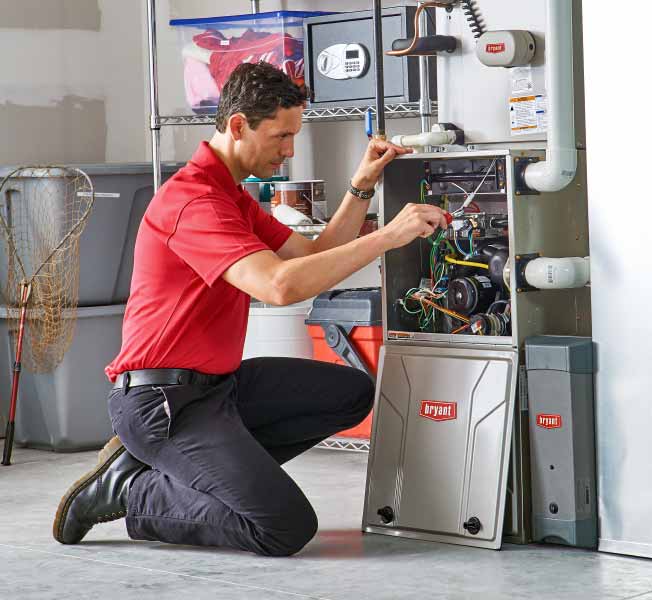
When your furnace will not turn on, your home can lose heat quickly—especially during a cold Northeast Georgia morning or evening. A furnace that does not respond may have a simple issue, such as an incorrect thermostat setting or tripped breaker, but it can also signal a problem with the ignition system, flame sensor, blower, electrical controls, safety switch, or gas supply.
Air Conditioning Services provides professional furnace repair in Gainesville, GA, and surrounding communities. Our trained technicians diagnose furnace problems carefully, explain what is preventing the equipment from starting, and recommend the appropriate repair for your system. If your furnace will not start or your home is getting colder, call Air Conditioning Services at 770-532-0731 for service.
Why Won’t My Furnace Turn On?
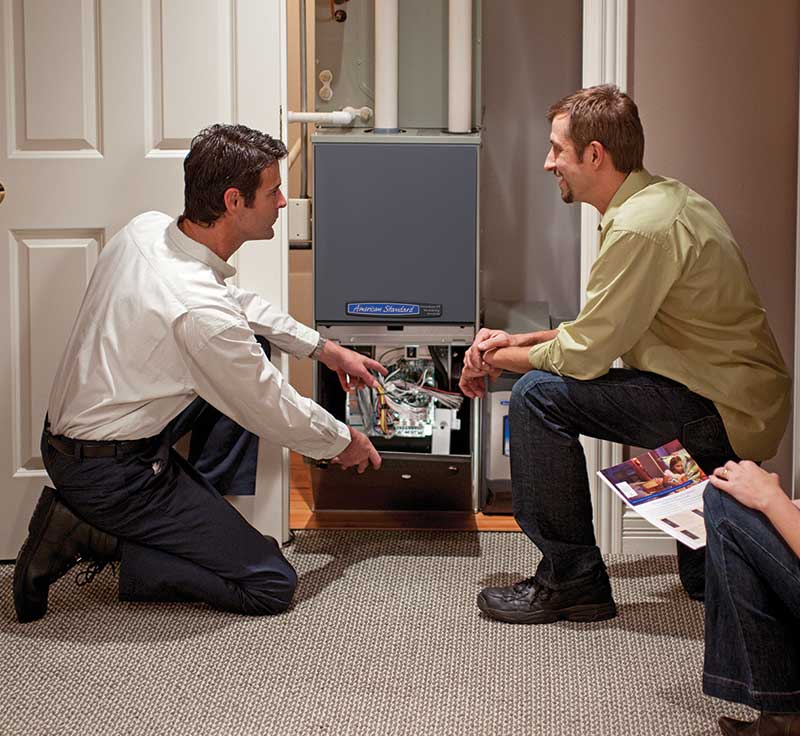
A furnace must complete a specific startup sequence before it can deliver warm air to your home. The thermostat signals a need for heat. The furnace control board receives that signal, verifies safety conditions, starts the draft inducer on many models, activates the igniter, opens the gas valve, confirms burner flame, and then turns on the blower to circulate heated air through the ductwork.
A malfunction at any stage can prevent the furnace from turning on.
Common reasons a furnace will not start include:
- Thermostat settings or a thermostat power issue
- A tripped circuit breaker or furnace disconnect problem
- A clogged air filter restricting airflow
- A furnace door or panel that is not securely in place
- A failed hot-surface igniter or intermittent pilot issue
- A dirty or failing flame sensor
- A blocked condensate drain on a high-efficiency furnace
- A malfunctioning pressure switch or safety limit switch
- A faulty gas valve, control board, relay, or transformer
- A blower motor or capacitor problem
- A fuel-supply or gas-line concern
Some causes can be addressed with a safe homeowner check. Others involve electrical systems, combustion components, or safety controls and should only be handled by a qualified HVAC professional.
Safe Checks to Try First
Before scheduling a furnace repair, take a few minutes to check the most common, low-risk causes. Do not disassemble the furnace, bypass safety devices, touch wiring, relight a pilot without following the manufacturer’s instructions, or work on gas connections.
Confirm Thermostat Settings
Set the thermostat to Heat and select a temperature at least a few degrees above the current room temperature. Make sure the fan is set to Auto rather than On.
If the thermostat screen is blank, dim, unresponsive, or displaying a low-battery alert, replace the batteries if your model uses them. A thermostat that appears normal can still have a wiring or communication issue, so contact a technician if the furnace remains unresponsive after checking the settings.
Check the Circuit Breaker
Locate your electrical panel and look for a tripped breaker serving the furnace or HVAC equipment. A tripped breaker may sit between the “On” and “Off” positions. Move it fully to “Off,” then back to “On” once.
If the breaker trips again, do not continue resetting it. Recurring breaker trips may point to an electrical fault, a failing motor, damaged wiring, or another issue that needs professional diagnosis.
Also check the furnace power switch, which often looks like a standard wall switch near the unit. If it has been turned off accidentally, switching it back on may restore power. Do not turn the furnace on if you smell gas, notice burning odors, or suspect an electrical hazard.
Inspect the Air Filter
A severely clogged filter can restrict airflow and contribute to furnace overheating. When airflow is limited, the high-limit safety switch may shut the burners down to protect the equipment.
If you can access the filter safely, check whether it is visibly covered in dust or debris. Replace it with the correct size and type if needed. Regular filter changes help support efficient airflow and heating performance. AHRI recommends changing furnace filters regularly and keeping the area around the furnace clean and unobstructed.
Make Sure Furnace Panels Are Secure
Many forced-air furnaces include a door safety switch that prevents operation when the blower-compartment door is not correctly installed. If the front panel is loose, misaligned, or missing, the furnace may not start.
Turn off power before reseating an accessible panel. Make sure it fits firmly and completely. Never operate the furnace without its panels properly installed, as this can interfere with safe operation.
Check Vents and Returns
Confirm that supply vents and return-air grilles are open and not blocked by furniture, rugs, boxes, or curtains. Closing too many registers can increase airflow resistance and contribute to unnecessary heat buildup inside the furnace. AHRI advises homeowners not to close off more than 20 percent of the home’s registers.
If these basic checks do not restore your heat, it is time to schedule furnace repair.

Common Furnace Startup Problems
Failed Igniter
Most modern gas furnaces use an electronic hot-surface igniter rather than a standing pilot light. This component heats up to ignite the gas burners at the start of a heating cycle. An igniter can wear out, crack, or fail electrically over time.
Signs of an ignition problem may include a furnace that clicks, hums, or attempts to start but never produces warm air. You may also hear the system begin a startup cycle and shut down after several seconds. Igniter replacement should be performed by a qualified technician because it involves furnace electrical and combustion components.
Dirty Flame Sensor
After the burners ignite, the flame sensor verifies that a stable flame is present. If the sensor is dirty or failing, the furnace may shut off the gas as a safety precaution—even if the burners initially light.
This can create a repeated pattern: the furnace starts, burners ignite briefly, then the system shuts down before heating the home. A technician can inspect and clean or replace the sensor as appropriate while checking for related combustion and control issues.
Clogged Condensate Drain
High-efficiency furnaces create condensation during normal operation. That moisture must drain correctly. If the condensate line, trap, or drain system becomes blocked, a safety switch may prevent the furnace from operating.
A technician can clear the drain, inspect the trap and drain tubing, and determine whether the issue is isolated or connected to another furnace performance concern.
Faulty Safety Switches
Your furnace includes safety controls designed to prevent operation when conditions are unsafe. Depending on the unit, these may include pressure switches, limit switches, rollout switches, and door switches.
A safety switch may shut down the furnace because of a genuine concern, such as restricted airflow, venting trouble, overheating, or a burner problem. Replacing or bypassing a switch without finding the reason it activated can be dangerous. Professional diagnosis should identify both the immediate failure and the source of the condition.
Blower or Airflow Problems
A furnace can ignite but still fail to heat the home effectively if the blower cannot move air through the duct system. Blower-motor issues, capacitor failure, damaged belts on some older systems, dirty components, blocked returns, or duct problems can reduce airflow.
You may notice weak airflow, unusually loud operation, short cycling, or a furnace that shuts down after heating briefly. The HVAC technician can evaluate the blower assembly, filter, ductwork, airflow conditions, and controls to determine the needed repair.
When a Furnace Problem Is an Emergency
Not every furnace problem requires emergency service, but certain symptoms should be treated as urgent. Any concern involving gas, carbon monoxide, smoke, fire, electrical burning, or repeated breaker trips requires immediate caution.
Leave the home and contact emergency services or the gas utility from outside if you smell gas, believe a gas leak may be present, see smoke, or hear a carbon monoxide alarm. Do not use electrical switches, light matches, start vehicles in an attached garage, or try to restart the furnace.
Carbon monoxide is odorless and colorless and can cause flu-like symptoms, dizziness, confusion, or worse. The Environmental Protection Agency advises getting fresh air immediately and seeking medical care when carbon monoxide poisoning is suspected. It also recommends having fuel-burning appliances—including gas furnaces—inspected by a trained professional before each heating season.
The CDC recommends installing battery-operated or battery-backup carbon monoxide detectors near every sleeping area and having gas, oil, or coal-burning heating equipment serviced by a qualified technician annually.
Call Air Conditioning Services promptly for professional help when:
- Your furnace will not start and your home has no heat.
- The furnace repeatedly shuts down during a heating cycle.
- You hear loud banging, grinding, screeching, or booming noises.
- You smell persistent burning or electrical odors.
- The furnace trips the breaker repeatedly.
- You see water leaking around the furnace.
- Your home includes infants, older adults, pets, or medically vulnerable people affected by cold indoor conditions.
What to Expect During Furnace Repair
A professional furnace repair visit begins with diagnosis, not guesswork. The technician will inspect the system and test relevant components to determine why it is not starting or completing a heating cycle.
Depending on the furnace and the reported symptoms, the inspection may include:
- Thermostat operation and low-voltage control signals
- Furnace power supply, switches, breakers, and electrical connections
- Air filter condition, blower operation, and airflow restrictions
- Igniter, pilot assembly when applicable, burners, and flame sensor
- Pressure switches, limit switches, rollout switches, and door safety switch
- Condensate drainage on high-efficiency equipment
- Venting, combustion-related operation, and system cycling
- Control board, relays, transformer, gas valve, and related components
Air Conditioning Services offers furnace maintenance, repair, installation, and replacement guidance for residential and commercial customers. Its technicians are described as trained and background-checked, and the company provides service for heating concerns including inconsistent heat, cool air, unusual noises, and seasonal maintenance needs.
Prevent Furnace Problems Before They Start
Routine furnace maintenance is one of the best ways to reduce the likelihood of an unexpected no-heat problem. Seasonal service helps identify worn igniters, dirty flame sensors, airflow restrictions, drainage issues, loose electrical connections, and other concerns before they interrupt heating performance.
You can also help maintain your furnace by:
- Checking and replacing the air filter regularly
- Keeping the furnace area clear of storage items, dust, paint, gasoline, and other combustibles
- Keeping supply and return vents open and unobstructed
- Paying attention to new noises, odors, short cycling, or uneven temperatures
- Testing carbon monoxide alarms according to their manufacturer instructions
- Scheduling professional service before cold weather arrives
Do not wait until the furnace fails entirely to request help. Early service may help protect your comfort, reduce strain on the equipment, and prevent a smaller issue from turning into a larger repair.
Call Air Conditioning Services for Furnace Repair
If your furnace will not turn on in Gainesville, GA, Air Conditioning Services is ready to help identify the problem and restore dependable heat. From thermostat and airflow concerns to ignition, flame-sensor, electrical, and safety-control issues, our team can provide the professional troubleshooting your heating system needs.
Call Air Conditioning Services at 770-532-0731 to schedule furnace repair in Gainesville, GA, or the surrounding Northeast Georgia area.
Open 7AM - 5PM Monday-Friday
Quick Contact Form
Make a Payment
Our Service Area
We have happy customers all around the Northeast Georgia area. We’ve provided HVAC services for homes and businesses in:
· Hall County: Clermont, Flowery Branch, Gainesville, Lula, & Oakwood
· Habersham County: Alto, Baldwin, Clarkesville, Cornelia, Demorest, Mount Airy & Tallulah Falls
· Gwinnett County: Dacula, Sugar Hill, Buford, Lawrenceville
· Jackson County: Pendergrass, Arcade, Braselton, Commerce, Hoschton, Jefferson, Maysville, Nicholson & Talmo
· Stephens County: Martin & Toccoa
· Dawson County: Dawsonville
· Lumpkin County: Dahlonega
· Forsyth County: Cumming
Contact us today when you need HVAC services you can trust.