
Furnace Blowing Cold Air Troubleshooting | Air Conditioning Services
Furnace blowing cold air in Gainesville, GA? Air Conditioning Services finds the cause and gets real heat flowing again. Call 770-532-0731 today.
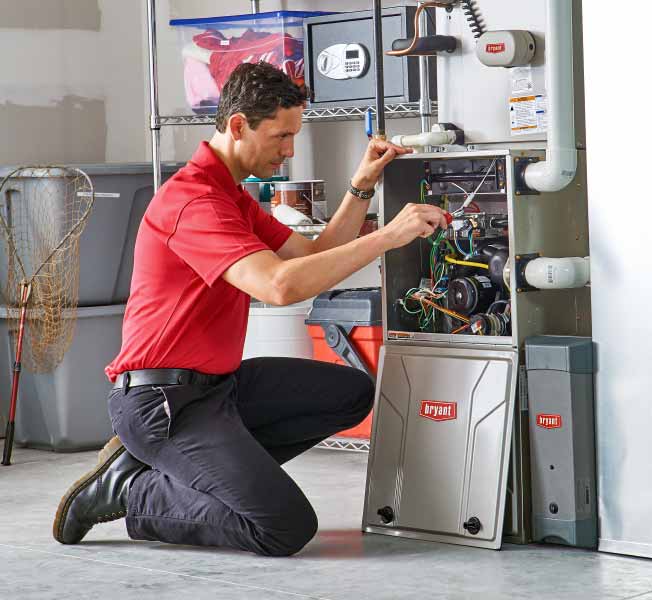
Cold Air From Furnace? Heating Repair in Gainesville, GA
If your furnace runs but the vents are pushing out cool or lukewarm air, your home can feel chilly fast—especially during a Northeast Georgia cold snap. Cool air from a running furnace often points to issues like an incorrect thermostat fan setting, ignition that never fully lights the burners, a tripped high-limit that shuts the flame off, airflow restrictions, or a blower/duct problem that strips heat before it reaches your rooms.
Air Conditioning Services provides professional diagnosis and repair for furnaces blowing cold air in Gainesville, GA, and nearby communities. Our trained technicians trace the fault—from thermostat and ignition sequence to sensors, heat strips, and airflow—and explain what’s keeping your system from delivering warm air. If your furnace is running but the air is cold, call Air Conditioning Services at 770-532-0731 for service.
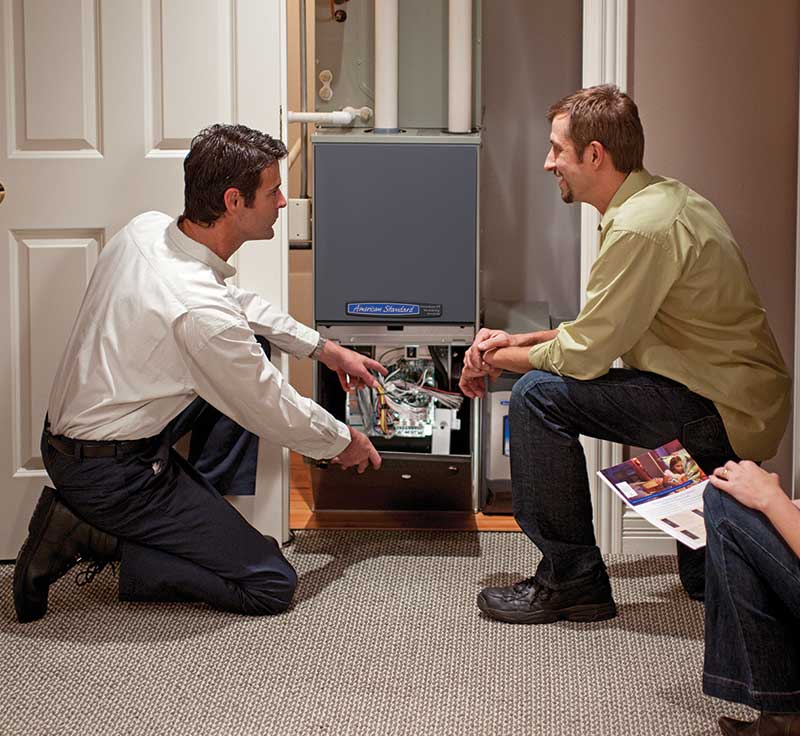
Why Your Running Furnace Pushes Cool Air
Gas and electric furnaces must complete a proper heating sequence to deliver warm air. For gas models, the thermostat calls for heat, the control board verifies safeties, the inducer preps the vent, the igniter lights, the gas valve opens, the flame is proven by the flame sensor, and then the blower moves heated air through the plenum and ducts. Electric furnaces energize heat strips in stages via a sequencer before the blower circulates air.
A failure at any point can leave the blower running without actual heat, making the supply registers feel cool.
Common reasons a furnace blows cold air include:
- Thermostat fan set to On instead of Auto (blower runs without heat)
- Ignition never completes or flame won’t stay proved
- Dirty filter or blocked return causing high-limit trips
- High-efficiency condensate blockage interrupting the heat cycle
- Contaminated flame sensor shutting gas off quickly
- Electric furnace heat strip or sequencer failure
- Duct leaks, disconnected runs, or blower issues cooling the air stream
- Control board, relay, or safety switch faults interrupting heat
Some items are safe to check, like thermostat settings and filters. Combustion, electrical, and safety controls should be serviced only by a qualified HVAC professional.
Quick Safety and DIY Checks for Cold Supply Air
Before booking a repair, you can rule out a few simple, low-risk causes. Do not open furnace compartments, bypass safeties, handle wiring, or work on gas connections.
Thermostat Fan: Auto vs On
Set the thermostat to Heat and choose a temperature a few degrees above room temperature. Make sure the fan is set to Auto, not On. The On setting runs the blower continuously—even when the burners or heat strips are off—so air may feel cold.
If the thermostat is blank, dim, or sluggish, replace batteries if applicable. If settings are correct but air remains cool, a control or communication issue may be present and needs a technician.
Verify Furnace and Air Handler Breakers
At the electrical panel, look for a tripped breaker for the furnace or air handler. A tripped breaker can prevent ignition or heat strip operation while still allowing the blower to run in some setups. Reset once by turning fully Off, then back On.
If it trips again, stop resetting. Repeated trips can indicate an electrical fault, failing motor, or short that requires professional diagnosis. Also verify the furnace power switch near the unit is On. Do not power the furnace if you smell gas or notice burning odors.
Check and Replace a Dirty Air Filter
A clogged filter starves the furnace of return airflow. Restricted airflow causes the heat exchanger to overheat and the high-limit switch to shut the flame off, so the blower pushes out cool air. Electric furnaces can also overheat and stage down, resulting in lukewarm air.
If accessible, check the filter and replace it with the correct size and type if dirty. Regular changes preserve airflow and steady heat delivery. Keep the area around the furnace clear to support proper return air.
Confirm Door Switch and Access Panels Are Latched
Many furnaces have door switches that disable heating when panels aren’t properly seated. A misaligned blower door can allow the blower to run with no heat cycle or prevent the unit from completing ignition.
Turn power off before reseating an accessible panel. Ensure it’s fully closed and latched. Never operate the furnace without all panels installed.
Open and Unblock Returns and Supply Registers
Verify supply registers and return grilles are open and not blocked by furniture or rugs. Starved returns and closed supplies can trigger high-limit trips or dilute warm air with cold room air, making vents feel cool. Avoid closing more than 20 percent of registers.
If these checks don’t restore warm airflow, schedule a professional furnace repair.

Top Causes of Cold or Lukewarm Airflow
Fan Set to On Keeps Blower Running Without Heat
When the fan is set to On, the blower runs constantly whether heat is being produced or not. Between burner cycles or during an ignition failure, you’ll feel cool air. Switching to Auto ensures the blower runs only when the furnace is actively heating.
If the fan keeps running on Auto, the fan relay or control board may be stuck, or the furnace may be short cycling due to another fault.
Dirty Flame Sensor Prevents Stable Burn
After ignition, the flame sensor must confirm a stable flame. If it’s coated with oxidation or debris, the control shuts the gas valve within seconds. The blower then clears the heat exchanger, blowing room-temperature air. You may notice brief warmth followed by cool air repeatedly.
A technician can clean or replace the sensor and inspect grounding, burner alignment, and ignition timing to prevent repeat failures.
High-Limit Switch Trips From Restricted Return Air
Restricted airflow from a dirty filter, blocked return, closed registers, or a failing blower causes the heat exchanger to overheat. The high-limit switch opens, shutting the burners off while the blower continues, pushing out cool air.
We check filter condition, blower speed and capacitor, coil cleanliness, and duct static pressure to correct the root cause rather than just resetting the limit.
Electric Heat Strips or Sequencer Not Energizing
In electric furnaces, staged heat strips warm the air as the sequencer energizes them. If a sequencer sticks or a heat element fails, the blower may run with little or no heat, producing cool or slightly warm air.
ACS tests strip resistance, sequencer timing, breakers and fuses, and wiring to restore full heating capacity safely.
Gas Ignition Cycle or Gas Valve Issues
If the hot-surface igniter is weak or cracked, or the gas valve doesn’t open correctly, the furnace won’t sustain flame. The system may attempt to start, then purge with the blower, sending cool air through the ducts.
Our technicians verify the ignition sequence, inducer operation, pressure switch performance, combustion air, and gas valve response to ensure reliable burner operation.
Duct Leaks or Blower Problems Yield Tepid Air
Leaky, disconnected, or uninsulated ducts can dump heat into attics or crawlspaces and pull in cold air, making supply air feel cool. An underperforming blower motor or incorrect speed tap can also reduce heat transfer across the heat exchanger or strips.
We measure temperature rise across the furnace, inspect duct integrity, set proper blower speed, and balance airflow so heat reaches your registers at the right temperature.
When Cold Air Indicates an Urgent Hazard
Most cases of cool air from the vents can wait for a scheduled visit, but some warning signs demand urgent attention. Treat any situation involving gas odor, carbon monoxide alarms, visible smoke, electrical burning smells, or repeatedly tripping breakers as an emergency—even if the furnace is still running but only pushing out cold air.
Leave the home and call emergency services or your gas utility from outside if you smell gas, suspect a leak, see smoke, or a CO detector is sounding. Do not flip light switches, use lighters, start vehicles in an attached garage, or attempt to reset or restart the furnace.
Carbon monoxide is invisible and odorless, and exposure may cause headache, nausea, dizziness, confusion, or worse. The Environmental Protection Agency advises getting to fresh air immediately and seeking medical help if CO poisoning is suspected. It also recommends having all fuel-burning equipment—including gas furnaces—inspected by a qualified professional before every heating season.
The CDC advises installing battery-operated or battery-backup CO detectors near each sleeping area and having gas, oil, or coal-burning heating appliances serviced annually by a qualified technician.
Call Air Conditioning Services promptly for professional help when:
- Your furnace runs but only blows cool or lukewarm air.
- Heat starts briefly, then turns cold or the unit shuts down mid-cycle.
- You hear loud banging, grinding, screeching, or booming noises.
- You notice persistent burning or electrical odors.
- The furnace trips the breaker repeatedly.
- You see water or condensate leaking around high-efficiency equipment.
- Your home includes infants, older adults, pets, or medically vulnerable people affected by cold indoor conditions.
What Our Techs Do to Restore Heat
Diagnosing a furnace that’s moving air but not warming it requires a methodical approach. Your technician will verify thermostat settings, observe the startup sequence, and test components to locate the exact point where the heating process fails.
Depending on your equipment and symptoms, the inspection may include:
- Thermostat mode and fan setting (Auto vs On) and low-voltage control signals
- Furnace power supply, switches, breakers, and electrical connections
- Air filter condition, blower performance, and return/supply airflow restrictions
- Ignition sequence: inducer, pressure switch, igniter, burners, flame sensor verification
- Safety controls: pressure switches, high-limit and rollout switches, door switch
- Condensate traps, hoses, and drains on high-efficiency furnaces
- Venting, combustion air, gas valve operation, and proper cycling
- Control board logic, relays, transformer output, and (for electric furnaces) heat strips and sequencers
Air Conditioning Services offers thorough maintenance and repair for furnaces that blow cold air, as well as replacement guidance when needed. Our trained, background-checked technicians resolve issues like improper fan settings, ignition or flame-sensor faults, clogged filters, high-limit trips, electric heat strip failures, and airflow or duct problems so your system delivers steady, reliable warmth.
Maintenance to Prevent Cold-Air Complaints
Regular maintenance dramatically reduces the chances your furnace will run but fail to heat. Seasonal service catches problems that commonly cause cool air—such as dirty filters restricting return airflow, contaminated flame sensors, misadjusted gas ignition, blocked condensate drains, loose electrical connections, weak blower performance, or electric heat strip and sequencer failures—before they disrupt comfort.
You can also help maintain your furnace by:
- Checking and replacing the air filter regularly
- Keeping the furnace area clear of storage items, dust, paint, gasoline, and other combustibles
- Keeping supply and return vents open and unobstructed
- Watching for short heat cycles, lukewarm air, new noises, or unusual odors
- Testing carbon monoxide alarms according to their manufacturer instructions
- Scheduling professional service before cold weather arrives
Don’t wait until the furnace only blows cool air to ask for help. Early attention can protect comfort, prevent high-limit trips caused by poor airflow, reduce wear on ignition components, and keep a minor issue from becoming an expensive repair.
Call Air Conditioning Services to Get Heat Back Fast
If your furnace is blowing cold air in Gainesville, GA, Air Conditioning Services will identify the cause and restore proper heat. From thermostat fan setting corrections and airflow fixes to gas ignition, flame-sensor cleaning, safety-control diagnostics, electric heat strip and sequencer repairs, and blower or duct solutions, our team provides the expert troubleshooting your system needs.
Call Air Conditioning Services at 770-532-0731 to schedule furnace repair in Gainesville, GA, or the surrounding Northeast Georgia area.
Open 7AM - 5PM Monday-Friday
Quick Contact Form
Make a Payment

Our Service Area
We have happy customers all around the Northeast Georgia area. We’ve provided HVAC services for homes and businesses in:
· Hall County: Clermont, Flowery Branch, Gainesville, Lula, & Oakwood
· Habersham County: Alto, Baldwin, Clarkesville, Cornelia, Demorest, Mount Airy & Tallulah Falls
· Gwinnett County: Dacula, Sugar Hill, Buford, Lawrenceville
· Jackson County: Pendergrass, Arcade, Braselton, Commerce, Hoschton, Jefferson, Maysville, Nicholson & Talmo
· Stephens County: Martin & Toccoa
· Dawson County: Dawsonville
· Lumpkin County: Dahlonega
· Forsyth County: Cumming
Contact us today when you need HVAC services you can trust.