
Thermostat Says Heat Is On But House Is Cold | Air Conditioning Services
Thermostat showing “Heat” in Gainesville, GA, but rooms still feel chilly? Air Conditioning Services tracks down the cause and gets your home warming again. Call 770-532-0731 today.
Heat On, But No Warmth? Heating Help in Gainesville, GA
When the thermostat indicates a heat call but the house stays cold, you’re stuck in an uncomfortable and confusing situation—especially during a Northeast Georgia cold snap. The mismatch can be as simple as an incorrect thermostat mode or schedule, but it may also point to deeper issues like ignition failure, a tripped safety limit, a non-running blower, blocked airflow, or a power or fuel problem.
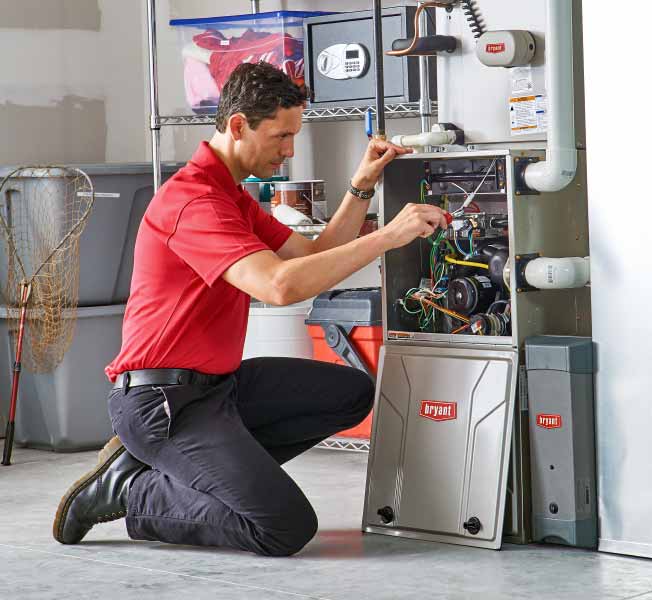
Air Conditioning Services delivers expert troubleshooting and repair in Gainesville, GA, and nearby communities. Our trained technicians verify thermostat communication, inspect heating equipment step by step, and pinpoint why warm air isn’t reaching your rooms. If your thermostat says heat is on yet temperatures aren’t rising, call Air Conditioning Services at 770-532-0731 for prompt service.
Why Does the Thermostat Say Heat Is On but the House Is Cold?
During a heat call, your thermostat sends a signal—typically on the W circuit—to start a heating cycle. The control board checks safety conditions, lights the burners or activates the heat pump, then commands the blower to distribute warm air. If any step fails—or if air can’t move through ducts—the thermostat may still show “Heat,” but your rooms won’t warm up.
Breakdowns at any stage can leave you with a cold home despite an active heat call.
Common causes include:
- Thermostat mode, schedule, temperature differential, or power/battery issues
- Tripped breaker, blown fuse, or furnace power switch turned off
- Severely clogged furnace filter or blocked return/supply vents
- Ignition or pilot problems, dirty flame sensor, or lockout state
- Blower motor, capacitor, or belt failure preventing air movement
- High-limit switch trips due to overheating or restricted airflow
- Blocked condensate drain on high-efficiency units
- Gas valve closed, propane/oil supply low, or fuel delivery issue
- Heat pump complications like iced outdoor unit or aux heat not engaging
Some items are safe for homeowners to check. Others involve combustion, electricity, or refrigerant systems and should be handled by a qualified HVAC professional.
Safe Checks to Try First
Before scheduling service, review a few simple items that often explain why the thermostat reports heating while the home remains cold. Do not remove furnace panels, bypass safeties, touch internal wiring, relight a pilot without instructions, or work on gas connections.
Confirm Thermostat Settings
Set the thermostat to Heat, not Cool, and temporarily raise the setpoint 3–5°F above the current room temperature. Verify the fan is set to Auto so warm air cycles with the heat call. Review schedules that might be holding a setback and confirm any “Eco,” “Hold,” or “Away” modes aren’t active. If your thermostat screen is blank, dim, unresponsive, or shows a low-battery warning, replace batteries if applicable. If settings look correct and the display is normal, but the home still won’t warm, there could be a communication or W-wire issue requiring a technician.
Check the Circuit Breaker
Inspect your electrical panel for a tripped breaker labeled furnace, air handler, or HVAC. A tripped breaker may rest between On and Off—switch fully to Off, then back to On once. If it trips again, stop resetting and call for service. Also confirm the furnace service switch near the unit is On. Do not restore power if you smell gas or detect burning odors.
If a separate condensate pump serves the furnace, verify its outlet has power and the pump isn’t overflowing, as that can shut heating down.
Inspect the Air Filter
A heavily loaded filter suffocates airflow. The system may overheat and trip the high-limit switch, causing brief or no heat delivery even though the thermostat says Heat. If accessible, slide the filter out and replace it with the correct size and MERV rating when it’s dirty. Keeping the area around the furnace clear and changing filters regularly supports steady airflow and comfort.
Make Sure Furnace Panels Are Secure
Most furnaces include a door safety switch that interrupts operation when the blower compartment panel isn’t seated. With power off, reseat any loose front panel until it clicks securely. Never run the furnace without panels properly in place.
Check Vents and Returns
Walk the home and open supply registers and return grilles. Clear furniture, drapes, and rugs from vents. Closing too many registers raises static pressure and can cause overheating and weak or no heat at the registers.
If these checks don’t restore warmth, schedule professional diagnosis.

Reasons You See “Heat On” But Don’t Feel Warmth
Ignition or Pilot Issues
If the burners never light, the control may still report a heat call while no heat is produced. Hot-surface igniters can crack or fail electrically, intermittent pilots may not spark reliably, and pilot assemblies can clog. You might hear clicking or the inducer running, then a shutdown without warm air. These components involve combustion and electrical circuits and should be serviced by a professional.
Flame Sensor Problems
The flame sensor confirms a stable flame. If it’s dirty or failing, the gas valve closes seconds after ignition, leading to repeated short cycles with little to no heat reaching the rooms. A technician can clean or replace the sensor and verify proper combustion and grounding.
Airflow Restrictions and Condensate Blockages
Severely restricted airflow—from a clogged filter, closed registers, blocked returns, or duct obstructions—causes the furnace to overheat and trip the high-limit switch. High-efficiency furnaces can also shut down when the condensate trap or drain line is clogged. Both issues result in the thermostat showing Heat while the system repeatedly stops before warming the home. A professional can clear the drain, inspect ducts, and correct airflow problems.
Blower or Delivery Failures
Heat may be produced but never delivered if the blower motor won’t run, the capacitor has failed, or a drive belt (on older units) is broken. You may notice hot supply plenum temperatures but weak or no airflow at vents, or the furnace cycling off on high limit. A technician will test the blower motor, capacitor, relay, fan speed settings, and safety switches to restore air movement.
Fuel, Power, and Safety Conditions
A closed gas valve, empty propane/oil tank, or tripped switch can leave you with no heat despite an active call. For safety, ensure the manual gas shutoff is parallel with the pipe when open, and verify propane or oil levels. If you ever suspect a gas leak or experience symptoms consistent with carbon monoxide exposure, evacuate and call emergency services before contacting ACS.
Heat Pump Specifics
For heat pumps, an iced-over outdoor unit, a system stuck in defrost, or auxiliary heat not engaging can leave the home cold while the thermostat reports heating. You might see frost or ice on the outdoor coil or hear frequent defrost cycles. Turn the system off if heavy ice is present and schedule service to protect the compressor. A technician can verify defrost controls, outdoor fan operation, refrigerant charge indicators, and backup heat staging.
When you call Air Conditioning Services (ACS), share what you’ve checked, any error codes or blinking light patterns on the furnace control board, unusual sounds, fuel levels, and whether the blower runs. This information speeds diagnosis so we can restore comfort quickly.
When “Heat Is On” But It’s Still Cold Is an Emergency
Many heating hiccups can wait for a standard appointment, but some situations demand immediate action. Treat any sign of gas odor, carbon monoxide alarms, smoke, visible flames, electrical burning smells, repeated breaker trips, or unusually cold indoor conditions for vulnerable occupants as urgent.
If you smell gas, suspect a leak, see smoke, or your carbon monoxide detector sounds, evacuate immediately and call emergency services or your gas utility from outside. Avoid flipping switches, lighting anything, starting vehicles in an attached garage, or attempting to restart the furnace or heat pump.
Carbon monoxide has no odor or color and can cause headache, nausea, dizziness, confusion, or loss of consciousness. The Environmental Protection Agency advises moving to fresh air at once and seeking medical attention if exposure is suspected. It also recommends professional inspection of fuel-burning appliances—like gas furnaces and boilers—before each heating season.
The CDC recommends installing battery-operated or battery-backup carbon monoxide detectors near every sleeping area and scheduling annual service for gas, oil, or coal-fired heating equipment with a qualified technician.
Call Air Conditioning Services promptly for professional help when:
- Your thermostat indicates heating, but rooms remain cold and the system won’t produce warm air.
- Heating starts then shuts down repeatedly (short cycling) or shows an error/lockout code.
- You hear loud banging, grinding, screeching, or booming during a heat call.
- You notice persistent burning or electrical odors while the thermostat calls for heat.
- The heating circuit trips the breaker more than once.
- You find water around the furnace or air handler during heating operation.
- Your home includes infants, older adults, pets, or medically vulnerable people impacted by low indoor temperatures.
What to Expect During “Heat On, House Cold” Service
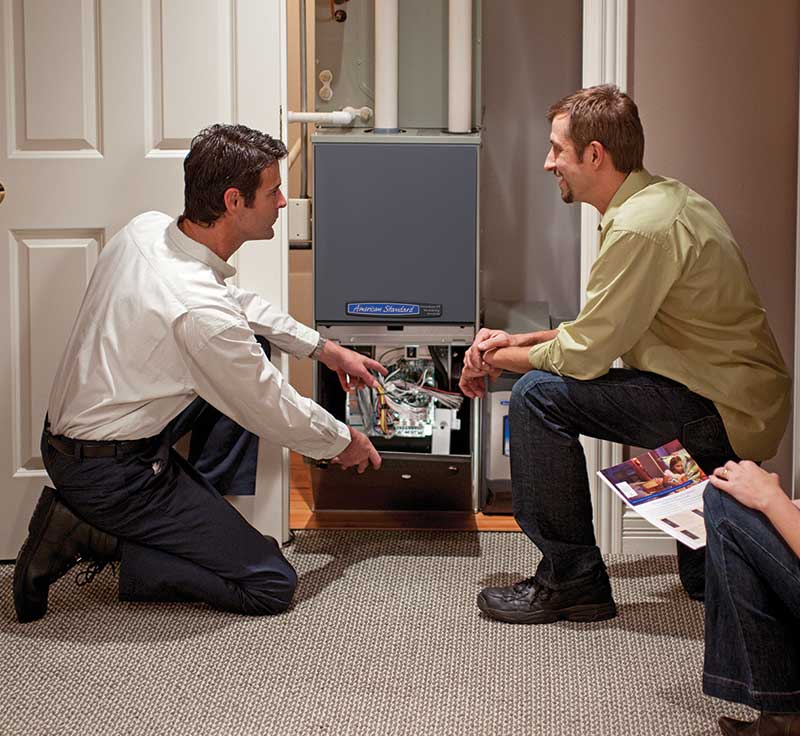
When you schedule service for a thermostat showing heat but no warmth indoors, our process begins with targeted diagnostics. An ACS technician will verify thermostat commands, confirm a proper heat call, and test system components to pinpoint why heat isn’t reaching the living spaces.
Based on your equipment type and symptoms, the evaluation may include:
- Thermostat settings, schedules, temperature differential, and low-voltage heat call (W) and fan (G) signals
- Power supply checks: furnace switch, service disconnect, breakers, fuses, transformer, and wiring connections
- Filter condition, blower operation, belts where applicable, and airflow through supply and return vents
- Ignition sequence: hot surface igniter or pilot, burner performance, and flame sensor cleanliness
- Safety controls: pressure switches, high-limit switch trips, rollout switches, and door interlocks
- Condensate drainage on high-efficiency furnaces that can shut down heat if blocked
- Venting and combustion health, gas valve operation, and proper cycling without nuisance shutdowns
- Control board diagnostics, relays, inducer performance, and communication with the thermostat
Air Conditioning Services provides expert heating diagnostics for issues like the thermostat calling for heat with no temperature rise, inconsistent warmth, cool air from vents, unusual sounds, and seasonal performance concerns. Our trained, background-checked technicians offer maintenance, repairs, and replacement guidance for residential and commercial systems.
Prevent “Heat On, No Warmth” Issues
Proactive maintenance is the easiest way to avoid a thermostat indicating heat while the house stays chilly. Seasonal tune-ups catch failing igniters, dirty flame sensors, clogged filters, blocked condensate drains, slipping blower belts, weak capacitors, and loose connections before they interrupt heating.
You can also reduce no-heat surprises by:
- Checking and replacing the furnace filter regularly to protect airflow
- Keeping the furnace or air handler area clear of storage, dust, paint, gasoline, and other combustibles
- Ensuring supply and return vents stay open and unblocked by rugs or furniture
- Watching for new noises, burning smells, short cycling, or rooms that never warm up
- Testing carbon monoxide alarms per manufacturer guidelines
- Scheduling a professional inspection before the first cold snap
Don’t wait until the system quits entirely. Early service can restore efficient heating faster, prevent safety shutdowns like high-limit trips, and help avoid a minor thermostat or airflow issue turning into a major repair.
Call Air Conditioning Services for Fast Heat Restoration
If your thermostat says heat is on in Gainesville, GA, but your home isn’t warming, Air Conditioning Services can quickly identify the cause and restore comfort. From thermostat settings and power problems to ignition failures, flame-sensor faults, blower issues, and safety lockouts, our team delivers precise troubleshooting and repair.
Call Air Conditioning Services at 770-532-0731 to schedule service in Gainesville, GA, or the surrounding Northeast Georgia area.
Open 7AM - 5PM Monday-Friday
Quick Contact Form
Make a Payment

Our Service Area
We have happy customers all around the Northeast Georgia area. We’ve provided HVAC services for homes and businesses in:
· Hall County: Clermont, Flowery Branch, Gainesville, Lula, & Oakwood
· Habersham County: Alto, Baldwin, Clarkesville, Cornelia, Demorest, Mount Airy & Tallulah Falls
· Gwinnett County: Dacula, Sugar Hill, Buford, Lawrenceville
· Jackson County: Pendergrass, Arcade, Braselton, Commerce, Hoschton, Jefferson, Maysville, Nicholson & Talmo
· Stephens County: Martin & Toccoa
· Dawson County: Dawsonville
· Lumpkin County: Dahlonega
· Forsyth County: Cumming
Contact us today when you need HVAC services you can trust.