
Heating Efficiency & Energy Savings Guide | Gainesville, GA
Heating Efficiency & Energy Savings Guide: Lower heating costs with practical thermostat, insulation, filter, and heat-pump tips. Call Air Conditioning Services in Gainesville, GA today.

Heating Efficiency & Energy Savings Guide
Keeping your Gainesville, GA, home warm should not require wasting energy or accepting inconsistent comfort. Your heating bills are influenced by much more than the furnace or heat pump itself. Thermostat habits, air leaks, insulation levels, ductwork, furnace filters, equipment maintenance, system age, and outdoor temperatures all affect how hard your HVAC system must work.
Air Conditioning Services helps homeowners and businesses throughout Gainesville and Northeast Georgia improve heating performance through maintenance, repair, system replacement, heat-pump service, thermostat guidance, and professional HVAC evaluations. A well-maintained, properly sized heating system paired with an efficient home can improve comfort, reduce unnecessary runtime, and help control energy use.
Call Air Conditioning Services at 770-532-0731 to schedule heating service, discuss heating efficiency concerns, or request professional guidance for your furnace or heat pump.
Why Heating Costs Increase
A higher heating bill does not always mean your furnace or heat pump is failing. In many cases, the system is working harder because heat is escaping from the home, airflow is restricted, thermostat settings are inefficient, or the equipment has not received needed maintenance.
Common factors that can increase heating costs include:
- Cold weather and longer heating cycles
- Thermostat settings that are higher than needed
- Air leaks around doors, windows, attic penetrations, and utility openings
- Insufficient attic, wall, crawlspace, or floor insulation
- Dirty furnace filters and restricted airflow
- Blocked supply vents or return-air grilles
- Duct leaks or poorly insulated ducts in unconditioned areas
- An aging or improperly sized furnace or heat pump
- Worn electrical, blower, ignition, refrigerant, or control components
- A heat pump relying heavily on auxiliary or emergency heat
- Poor thermostat placement or an incorrectly configured thermostat
- Missed seasonal maintenance
Energy efficiency is not about making your home uncomfortably cold. It is about reducing waste while maintaining safe, dependable indoor comfort. In many homes, the best results come from combining several moderate improvements rather than depending on one major upgrade.
Start With Your Thermostat
The thermostat controls when your furnace or heat pump starts and stops. A few degrees can affect heating runtime, but the ideal setting depends on household comfort, health needs, building construction, system type, and whether anyone is home.
For many households, a winter setting around 68°F while home and awake is a practical starting point. The U.S. Department of Energy advises setting thermostats to 68°F in winter when people are awake and lowering the temperature while asleep or away to save energy. Individual comfort needs vary, so adjust carefully for infants, older adults, medical needs, pets, and personal preferences.
Use Moderate Setbacks
Lowering the thermostat while asleep or away can reduce heating demand because the home loses heat more slowly when the indoor-to-outdoor temperature difference is smaller. However, heat pumps require a more careful approach than conventional furnaces.
Large thermostat setbacks can cause an all-electric heat pump to activate auxiliary electric resistance heat when it tries to recover quickly. Auxiliary heat can be more expensive to operate than standard heat-pump heating. For many heat-pump homes, a modest and consistent setting—or a small setback programmed through a heat-pump-compatible thermostat—may be more cost-effective than large temperature swings.
Smart thermostats can help automate scheduling and prevent accidental temperature changes. Air Conditioning Services notes that ENERGY STAR-certified smart thermostats must demonstrate energy savings based on real home installations; ENERGY STAR estimates certified models can save an average of approximately 8% on heating and cooling bills, or about $50 annually. Actual savings depend on the home, system, climate, settings, and occupancy patterns.
Keep Thermostats Accurate
For better heating performance:
- Set the thermostat to Heat during winter.
- Choose a comfortable temperature rather than repeatedly raising and lowering the setting.
- Keep the fan set to Auto unless continuous operation is intentional.
- Avoid placing lamps, TVs, direct sunlight, space heaters, or other heat sources near the thermostat.
- Use a compatible thermostat for a heat pump, dual-fuel system, or multi-stage furnace.
- Replace thermostat batteries when needed.
- Check for vacation, away, hold, eco, or scheduling settings that may be overriding your preferred temperature.
If the thermostat says heat is on but the house remains cold, the issue may involve the furnace, heat pump, airflow, electrical components, ductwork, or thermostat communication. Professional diagnosis is the safest way to identify the source.
Keep Heat Inside Your Home
Even an efficient furnace or heat pump will struggle if heated air escapes through gaps in the home’s exterior shell. Air leakage allows warm indoor air to leave and colder outdoor air to enter, creating drafts, uneven temperatures, and longer heating cycles.
ENERGY STAR states that sealing air leaks and adding insulation can improve comfort and energy efficiency and may save up to 10% on annual energy bills. Common improvements include weatherstripping doors, caulking around windows, sealing gaps, and adding attic insulation.
Find Common Air Leaks
Air leaks can occur in places that are easy to overlook. Look for drafts, cold surfaces, discoloration around openings, and gaps where building materials meet.
Common air-leak locations include:
- Exterior doors and door frames
- Windows and window frames
- Attic hatches and pull-down stairs
- Plumbing, wiring, and duct penetrations
- Recessed lights and ceiling fixtures
- Gaps around fireplaces and chimney chases
- Exterior wall outlets and switch plates
- Basement, crawlspace, and rim-joist areas
- Dryer vents and bathroom exhaust penetrations
- Garage-to-house connections
- Gaps around pipes, cables, and utility lines
Simple sealing materials may include caulk, weatherstripping, door sweeps, foam, and other products suited to the opening. However, caution is essential around furnaces, water heaters, fireplaces, chimneys, flues, and other combustion equipment.
ENERGY STAR advises using appropriate high-temperature materials around chimneys and furnace flues and recommends having ventilation and combustion appliances professionally checked after air-sealing work to confirm they are venting properly.
Improve Weatherstripping
Weatherstripping is designed to seal movable openings, including exterior doors and operable windows. It helps limit drafts without preventing normal operation.
Check weatherstripping when you notice daylight around a closed door, feel cold air near windows, hear wind noise, or see worn, cracked, flattened, or missing material. Door sweeps can also reduce airflow beneath exterior doors.
ENERGY STAR defines weatherstripping as a measure that uses materials to seal air leaks around components that open, close, and generally move, such as exterior doors and windows.
Insulation Supports Comfort
Insulation slows the movement of heat through walls, ceilings, floors, and other building materials. In winter, it helps retain warmth inside the home. Without adequate insulation, your heating system may run longer to replace heat lost through the attic, walls, crawlspace, garage, or other unconditioned areas.
Attic insulation is often one of the most important areas to evaluate because heat naturally rises. A poorly insulated attic can allow substantial heat loss, leave rooms below it colder, and increase the workload on your furnace or heat pump.
Potential insulation improvements may include:
- Adding or improving attic insulation
- Insulating floors above crawlspaces or unconditioned garages
- Insulating accessible ductwork located in attics, crawlspaces, garages, or basements
- Addressing rim joists and other high-leakage areas
- Sealing air leaks before adding insulation
- Evaluating wall-insulation opportunities during renovations
Georgia Power offers home-efficiency programs and rebates that may include air sealing, duct sealing, ceiling or attic insulation, heat pumps, and other qualified upgrades. Availability, eligibility, funding, and rebate amounts can change, so review current program requirements before planning a project.
An energy assessment can help identify which improvements are likely to make the biggest difference for your specific home. Rather than guessing, homeowners can use an assessment to prioritize air sealing, insulation, ductwork, equipment, and thermostat improvements based on real conditions.
Change Furnace Filters Regularly
A clean furnace filter helps maintain airflow through the HVAC system. When a filter becomes heavily loaded with dust, pet hair, and debris, it can restrict air movement. Restricted airflow may lead to uneven heating, longer run times, reduced comfort, overheating in furnaces, and unnecessary strain on blower components.
Check your filter monthly and replace it as needed. The right interval depends on the filter type, system use, pets, allergies, household size, renovations, and local indoor-air conditions.
A practical starting point is:
Household condition |
Typical filter-check guidance |
|
Low occupancy, no pets, standard filter |
Check monthly; replacement may be needed about every 60 to 90 days |
|
Pets, allergies, frequent system use |
Check monthly; replacement may be needed every 30 to 60 days |
|
Renovation work, heavy dust, multiple pets |
Check more frequently and replace whenever visibly loaded |
|
High-efficiency filter or specialty media filter |
Follow the manufacturer’s instructions and your HVAC contractor’s guidance |
Always use the correct filter size and install it in the direction indicated by the airflow arrow. A filter that is too restrictive for the system can create airflow problems, so consult an HVAC professional if you are unsure about the right MERV rating or filter type for your equipment.
ACS advises homeowners to inspect and replace dirty filters and confirm that supply vents and return grilles are clear as part of basic heating troubleshooting.acsgainesville+1
Maintain Your Heating System
Maintenance helps your system operate more reliably and can identify problems that increase energy use. A neglected furnace or heat pump may still run, but it may cycle longer, heat unevenly, struggle to maintain the thermostat setting, or rely on backup heat more often than necessary.
A professional heating maintenance visit may include:
- Checking thermostat settings and equipment response
- Inspecting and evaluating filters and airflow
- Examining blower operation and static pressure
- Inspecting electrical connections, controls, capacitors, and relays
- Cleaning or assessing applicable components
- Checking furnace ignition, burners, flame sensing, venting, and safety controls
- Reviewing heat-pump coils, defrost operation, refrigerant-related performance, and outdoor-unit condition
- Inspecting condensate drainage
- Testing heating cycles and monitoring system operation
For heat pumps, ACS technicians may verify thermostat calls, measure temperature split, inspect filters and coils, check blower speed and static pressure, and record refrigerant pressures using superheat and subcooling measurements.
Call for professional service when you notice unusual noises, weak airflow, cold spots, repeated short cycling, ice on a heat pump, frequent auxiliary-heat operation, water around equipment, burning odors, or rising heating costs. Early repairs can prevent a minor issue from becoming a complete no-heat event.
Save Money With Heat Pumps
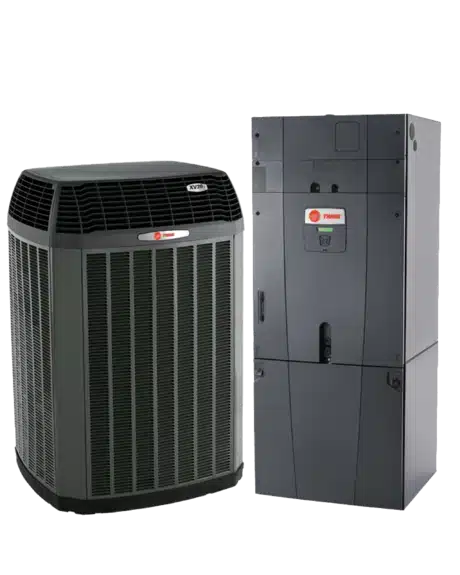
Heat pumps are often a strong efficiency option for homes in Gainesville and Northeast Georgia because they provide both heating and cooling. Instead of burning fuel to generate heat, a heat pump transfers available heat from outdoor air indoors during the winter.
This process can be efficient during Georgia’s moderate winter weather. However, performance can decline during colder temperatures, and all-electric systems may use auxiliary electric heat when the heat pump cannot meet demand alone.
To support heat-pump efficiency:
- Use a heat-pump-compatible thermostat.
- Avoid large temperature setbacks that trigger auxiliary heat.
- Keep filters clean and vents unobstructed.
- Keep leaves, branches, and debris away from the outdoor unit.
- Do not cover the outdoor unit or restrict airflow.
- Schedule maintenance before heating season.
- Call for service if the heat pump freezes, runs constantly, makes unusual noises, or cannot maintain temperature.
- Ask about dual-fuel options if you want a heat pump for mild weather and gas-furnace backup during colder conditions.
A dual-fuel system can automatically switch between a heat pump and gas furnace based on outdoor temperatures and system demand. This may offer an effective balance of heat-pump efficiency and furnace heating capability for some Georgia homes. The best choice depends on the property, available utilities, insulation, ductwork, existing equipment, comfort expectations, and installation costs.
Heating Costs in Georgia
Heating costs in Georgia can vary significantly from one home to another. A household’s actual bill depends on outdoor weather, home size, insulation, air leakage, fuel type, electricity and gas rates, thermostat settings, HVAC equipment efficiency, maintenance, duct performance, and how often people are home.
Instead of focusing only on the monthly bill total, watch for changes in your heating use. If the bill rises sharply while the weather and household routine are similar, the cause may be an equipment issue, filter restriction, thermostat problem, duct leak, heat loss, or use of auxiliary heat.
Before replacing equipment solely because of a higher bill, schedule an HVAC evaluation and consider a home energy assessment. Identifying the actual source of wasted energy can help you invest in the improvement with the best potential value.
Heating Efficiency Resources
Explore these related resources for more detailed information about reducing heating costs and improving home comfort:
- How To Lower Heating Bills
- Best Winter Thermostat Settings
- How To Keep Heat Inside Your Home
- Air Leaks
- Insulation
- Weatherstripping
- Changing Furnace Filters
- Heating Costs in Georgia
- Saving Money With Heat Pumps
Schedule Heating Service in Gainesville, GA
A more efficient home starts with reliable heating equipment, proper airflow, practical thermostat habits, and a building that holds onto conditioned air. Air Conditioning Services can help you evaluate furnace and heat-pump performance, diagnose heating problems, perform maintenance, and discuss repair or replacement options.
Call Air Conditioning Services at 770-532-0731 today to schedule heating service in Gainesville, GA, and throughout Northeast Georgia.
Open 7AM - 5PM Monday-Friday
Quick Contact Form
Make a Payment

Our Service Area
We have happy customers all around the Northeast Georgia area. We’ve provided HVAC services for homes and businesses in:
· Hall County: Clermont, Flowery Branch, Gainesville, Lula, & Oakwood
· Habersham County: Alto, Baldwin, Clarkesville, Cornelia, Demorest, Mount Airy & Tallulah Falls
· Gwinnett County: Dacula, Sugar Hill, Buford, Lawrenceville
· Jackson County: Pendergrass, Arcade, Braselton, Commerce, Hoschton, Jefferson, Maysville, Nicholson & Talmo
· Stephens County: Martin & Toccoa
· Dawson County: Dawsonville
· Lumpkin County: Dahlonega
· Forsyth County: Cumming
Contact us today when you need HVAC services you can trust.