


Everything About Heat Pumps | Air Conditioning Services
Learn everything about heat pumps, from repair and costs to energy savings and installation. Call Air Conditioning Services in Gainesville, GA today.

Everything About Heat Pumps | What You Need to Know
Heat pumps provide both heating and cooling in one system, making them a practical comfort solution for many homes and businesses in Gainesville, GA, and Northeast Georgia. Instead of generating heat through combustion like a gas furnace, a heat pump transfers heat between the indoors and outdoors. In summer, it removes heat from inside your home. In winter, it reverses that process and moves available heat from outdoor air indoors.
Because Georgia has humid summers and generally moderate winters, a properly sized and professionally installed heat pump can provide efficient, dependable year-round comfort. The best system for your property depends on the home’s size, insulation, ductwork, existing equipment, energy goals, budget, and preferred backup-heating arrangement.
Air Conditioning Services provides heat pump repair, maintenance, installation, and replacement for residential and commercial customers throughout Gainesville and Northeast Georgia. ACS services all brands, makes, and models and helps customers understand their HVAC options without high-pressure sales tactics. Call 770-532-0731 to schedule heat pump service or request a system consultation.
What Is a Heat Pump?
A heat pump is an HVAC system that heats and cools by moving heat rather than creating it directly. It uses refrigerant, coils, fans, a compressor, and electrical controls to transfer heat where it is needed.
During cooling season, a heat pump functions much like a central air conditioner. The indoor coil absorbs heat and humidity from the air inside your home. Refrigerant carries that heat to the outdoor unit, where it is released outside. The cooled and dehumidified indoor air is then circulated through the ductwork.
During heating season, the system reverses its refrigerant cycle. The outdoor unit draws available heat from outdoor air and transfers it inside. Even cool air contains thermal energy that a properly operating heat pump can use. This process allows heat pumps to provide heat efficiently in mild to moderate winter conditions.
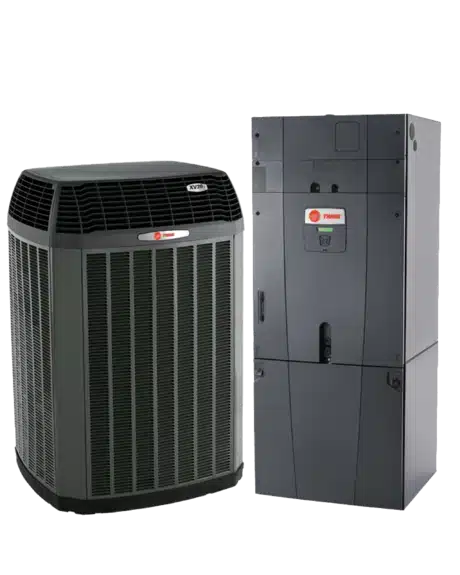
A typical ducted heat-pump system includes:
- An outdoor unit with a compressor, coil, fan, and electrical components
- An indoor air handler or compatible furnace-and-coil setup
- Refrigerant lines connecting the indoor and outdoor equipment
- An indoor coil that absorbs or releases heat depending on the mode
- A reversing valve that changes the direction of refrigerant flow
- A thermostat that controls heating, cooling, fan operation, and backup heat
- Ductwork, supply vents, and return-air grilles that distribute conditioned air
Heat pumps are increasingly popular in Georgia because they can cool homes during humid summers and efficiently provide heat during much of the winter. ACS notes that Georgia’s generally mild winters and humid summers align well with heat-pump performance, particularly when the equipment is correctly sized for the home.
How Heat Pumps Work in Georgia
In Gainesville, GA, homeowners need reliable cooling for hot, humid weather and effective heating during cool winter days and occasional cold snaps. A heat pump can address both needs with a single system.
During most of Georgia’s winter weather, a modern heat pump can deliver efficient indoor comfort by transferring outdoor heat indoors. However, a heat pump’s heating capacity and efficiency decline as outdoor temperatures fall. When temperatures become especially low, the system may rely on supplemental heat to maintain the thermostat setting.
Depending on the equipment and property, backup heat may come from:
- Electric resistance heat strips installed in the air handler
- A gas furnace in a dual-fuel system
- Another professionally designed supplemental heating source
A dual-fuel system combines an electric heat pump with a gas furnace. The heat pump handles cooling and milder-weather heating, while the furnace takes over during colder conditions based on thermostat or system-control settings. This arrangement can give Georgia homeowners efficient heating in moderate weather and stronger furnace output during cold snaps.
The right approach depends on your existing HVAC equipment, gas availability, electrical capacity, utility rates, ductwork, comfort preferences, and budget. A professional load calculation and equipment consultation can help identify the best solution.
Heat Pump Benefits
A heat pump can offer meaningful comfort and efficiency benefits when selected and installed correctly.
One System for Heating and Cooling
A heat pump provides both air conditioning and heating. Rather than maintaining separate outdoor equipment for cooling and heating, homeowners can use one primary system for year-round temperature control.
Efficient Heating in Mild Weather
Because a heat pump moves heat instead of creating it through combustion, it can use energy efficiently when outdoor conditions are moderate. Georgia’s climate is well suited to this operating model for much of the year. ACS explains that air-source heat pumps can often provide strong value in Georgia because they deliver efficient winter heating while also cooling the home during summer.
Humidity Control During Summer
Humidity affects how indoor temperatures feel. Heat pumps remove heat and moisture during cooling operation, helping make indoor spaces more comfortable during Northeast Georgia’s humid summers. Variable-speed and multi-stage systems may provide improved moisture control because they can operate at lower output for longer periods rather than constantly cycling at full capacity.
Potential Energy Savings
Energy savings vary by system efficiency, electricity and gas costs, insulation, duct condition, thermostat habits, maintenance, and the equipment being replaced. A heat pump is not automatically the least expensive option for every home, but a properly sized modern system may reduce total heating and cooling energy use compared with older or inefficient equipment.
An HVAC professional can help you compare operating considerations using system ratings, expected runtime, your home’s heat loss and heat gain, and local utility costs. Avoid relying on broad savings promises without an evaluation of your actual home and equipment.
Heat Pump Repair: Common Problems
Heat pumps are dependable systems, but they contain mechanical, electrical, refrigerant, airflow, and control components that eventually require service. Prompt repairs can help restore comfort and reduce the risk of a complete system failure.
Common heat pump problems include:
- The heat pump will not turn on.
- The system runs but does not heat or cool effectively.
- Airflow from vents is weak.
- The outdoor unit is frozen or covered in persistent ice.
- The heat pump cycles on and off too often.
- The thermostat says the system is operating, but the home remains uncomfortable.
- The system makes grinding, squealing, buzzing, rattling, or clicking noises.
- The unit leaks water or has drainage issues.
- The system trips a circuit breaker.
- Energy costs increase while heating or cooling performance declines.
Possible causes can include a dirty filter, blocked airflow, thermostat issue, electrical failure, worn capacitor, relay or contactor problem, refrigerant leak, malfunctioning defrost control, fan motor issue, compressor concern, reversing-valve fault, or drainage issue.
A professional repair visit should involve diagnosis rather than guesswork. An ACS technician can inspect airflow, electrical components, thermostat communication, refrigerant-related performance, coils, defrost controls, drainage, blower operation, and overall system cycling before recommending repairs. ACS offers repair services for heating and air systems of all brands, makes, and models.
Heat Pump Maintenance Matters
Routine maintenance supports system reliability, energy performance, and equipment life. It also helps technicians find developing issues before they turn into an urgent heating or cooling failure.
Professional heat pump maintenance may include inspection and testing of:
- Thermostat operation and system controls
- Air filter condition and airflow
- Indoor and outdoor coils
- Electrical connections, capacitors, relays, and contactors
- Refrigerant-related system performance
- Compressor and fan operation
- Condensate drainage
- Defrost-cycle operation
- Ductwork-related airflow and comfort concerns
- Refrigerant-line insulation and visible equipment condition
Homeowners can help between visits by replacing filters as needed, keeping supply and return vents clear, trimming vegetation and removing debris around the outdoor unit, and reporting unusual sounds, odors, icing, water, or comfort changes early.
Maintenance cannot prevent every repair, but it gives you a clearer picture of the system’s condition and can reduce avoidable strain caused by neglected airflow, dirty coils, clogged drains, and loose electrical connections.
Heat Pump Installation and Replacement
A new heat pump should be selected for your property—not simply chosen based on the old system’s capacity. Proper sizing is essential for dependable comfort, efficient operation, humidity control, and equipment longevity.
An oversized heat pump may short cycle, which can reduce dehumidification and increase component wear. An undersized system may run for extended periods and still struggle to meet heating or cooling demand. A qualified HVAC contractor should consider the home’s square footage, layout, insulation, windows, ductwork, air leakage, occupancy, sun exposure, and local climate before recommending equipment.
Installation planning may include:
- Heat-load and cooling-load calculations
- Ductwork inspection and airflow evaluation
- Electrical-capacity review
- Thermostat and control compatibility
- Indoor and outdoor equipment matching
- Refrigerant-line condition and sizing
- Drainage planning
- Placement of the outdoor unit
- Backup-heating and emergency-heat needs
- Available efficiency levels and comfort features
ACS states that it reviews the size and type of heating and air system that is effective and affordable for a customer’s home or office. The company provides options so customers can make informed decisions.
Heat Pump Cost Considerations
Heat pump costs vary substantially because each property and installation is different. A reliable estimate requires an in-person assessment of the existing system, ductwork, electrical system, installation complexity, equipment capacity, and comfort goals.
Factors that may affect heat pump installation cost include:
- System size and efficiency rating
- Single-stage, two-stage, or variable-speed equipment
- Ductwork condition, repairs, or modifications
- Electrical upgrades
- Indoor air-handler or furnace compatibility
- Refrigerant-line replacement or modifications
- Thermostat and control upgrades
- Outdoor-unit placement and accessibility
- Permits, disposal, and local installation requirements
- Whether the project includes air-quality, filtration, humidity, or zoning improvements
Repair costs also vary based on the failed component, equipment age, parts availability, labor time, refrigerant needs, and the extent of related repairs. An accurate diagnosis and written scope of work help you compare options clearly.
Understanding Emergency Heat
“Emergency Heat” is a thermostat setting often found on all-electric heat-pump systems. It generally turns off normal heat-pump operation and uses the backup electric heat source instead. Because electric resistance heat can cost more to operate, Emergency Heat should not usually be selected for routine cold weather.
Use Emergency Heat only when instructed by an HVAC professional, when the heat pump has failed, or when system conditions require it. If the setting turns on unexpectedly, stays active for long periods, or causes a sharp increase in energy use, schedule service.
In a dual-fuel setup, the gas furnace typically serves as the backup heat source. The system’s controls should automatically determine when to switch from heat-pump operation to furnace heat. ACS explains that dual-fuel controls use a switchover temperature, often near the system’s balance point, to select the most appropriate heat source based on outdoor conditions and demand.
Heat Pump Defrost Cycles and Freezing
During winter, it is normal for some frost to form on a heat pump’s outdoor coil. The system periodically enters a defrost cycle to melt that frost and restore proper airflow. You may notice steam rising from the outdoor unit, temporary noise changes, or a brief pause in normal heating operation. These can be normal parts of defrost operation.
Persistent, heavy ice is not normal. It can restrict airflow and prevent the heat pump from heating effectively. Common causes include malfunctioning defrost controls or sensors, low refrigerant, outdoor fan problems, blocked airflow, drainage issues, or other mechanical concerns.
Do not use sharp objects to remove ice, hit the equipment, or pour hot water onto the outdoor unit. These actions can damage coils, wiring, fins, and other components. If your heat pump is heavily iced over, turn the system off if it is safe to do so and call Air Conditioning Services for professional diagnosis.
Heat Pump Noises: Normal vs. Concerning
Heat pumps make normal operating sounds, including airflow, fan movement, compressor operation, and occasional reversing-valve or defrost noises. However, new, loud, persistent, or worsening sounds should be investigated.
Call for service if you hear:
- Grinding or metal-on-metal sounds
- High-pitched squealing
- Repeated loud buzzing
- Persistent rattling or vibrating
- Loud banging
- Clicking that repeats without the system starting
- Hissing or bubbling noises paired with performance problems
Noises can indicate loose components, motor wear, electrical issues, refrigerant-related concerns, compressor problems, or airflow restrictions. A technician can isolate the source and recommend an appropriate repair before the problem causes more serious damage.
Heat Pumps vs. Gas Furnaces
Heat pumps and gas furnaces can both provide dependable home heating, but they work differently. A gas furnace creates heat through combustion and usually delivers hotter air from vents. A heat pump transfers heat and commonly provides steadier, lower-temperature supply air.
Feature |
Heat Pump |
Gas Furnace |
|
Primary energy source |
Electricity |
Natural gas or propane, depending on the system |
|
Heating method |
Transfers heat from outdoor air indoors |
Produces heat through combustion |
|
Cooling capability |
Yes; provides air conditioning in summer |
No; requires separate air-conditioning equipment |
|
Best operating conditions |
Moderate climates and year-round heating/cooling needs |
Homes with gas access or strong cold-weather heating needs |
|
Vent air feel |
Typically warm but less hot than furnace air |
Typically hotter air from registers |
|
Backup need |
May use electric strips or dual-fuel furnace during colder periods |
Usually does not require heat-pump-style auxiliary heat |
For many Georgia homes, a heat pump can meet both heating and cooling needs. A dual-fuel system may also be a good option for homeowners who want efficient heat-pump operation in mild weather and gas-furnace performance during colder conditions. ACS notes that the best choice depends on existing equipment, home infrastructure, budget, insulation, ductwork, comfort priorities, and a professional load calculation.
Heat Pump Resources
Explore these related heat-pump resources for detailed answers about care, performance, repairs, costs, and installation decisions.
- Heat Pump Repair
- Heat Pump Maintenance
- Heat Pump Installation
- Heat Pump Cost
- Heat Pump Lifespan
- Heat Pump Noises
- Heat Pump Freezing Up
- Heat Pump Emergency Heat
- Heat Pump Defrost Cycle
- Heat Pump Thermostats
- Heat Pump Energy Savings
- Heat Pump vs Gas Furnace
- Heat Pump Myths
- Heat Pumps in Georgia
Why Choose Air Conditioning Services?
A heat pump is a long-term investment in your home’s comfort. Whether you need an emergency repair, routine maintenance, a system replacement, or guidance on choosing a heat pump, you deserve clear explanations and work you can trust.
Air Conditioning Services serves residential and commercial customers throughout Gainesville and Northeast Georgia. ACS is licensed, insured, and bonded; employs highly trained, background-checked HVAC contractors; offers flexible scheduling; services all brands, makes, and models; and provides a 100% guarantee on its products and services.
ACS serves Hall County, including Gainesville, Flowery Branch, Oakwood, Clermont, and Lula, as well as nearby communities across Habersham, Gwinnett, Jackson, Stephens, Dawson, Lumpkin, and Forsyth counties.
Schedule Heat Pump Service in Gainesville, GA
Whether your heat pump is not heating, not cooling, freezing up, making unusual sounds, or nearing replacement age, Air Conditioning Services can help. Our team can diagnose the issue, explain your repair or replacement options, and provide professional heat-pump service designed around your property’s needs.
Call Air Conditioning Services at 770-532-0731 today to schedule heat pump repair, maintenance, installation, or replacement in Gainesville, GA, and Northeast Georgia.
Open 7AM - 5PM Monday-Friday
Quick Contact Form
Make a Payment

Our Service Area
We have happy customers all around the Northeast Georgia area. We’ve provided HVAC services for homes and businesses in:
· Hall County: Clermont, Flowery Branch, Gainesville, Lula, & Oakwood
· Habersham County: Alto, Baldwin, Clarkesville, Cornelia, Demorest, Mount Airy & Tallulah Falls
· Gwinnett County: Dacula, Sugar Hill, Buford, Lawrenceville
· Jackson County: Pendergrass, Arcade, Braselton, Commerce, Hoschton, Jefferson, Maysville, Nicholson & Talmo
· Stephens County: Martin & Toccoa
· Dawson County: Dawsonville
· Lumpkin County: Dahlonega
· Forsyth County: Cumming
Contact us today when you need HVAC services you can trust.