
Heat Pump Cost | Pricing, Operating Expenses & Smart Savings
Wondering what a heat pump really costs to buy, install, and run? You’re in the right place. This guide explains typical installed prices by system type and size, what drives labor and material costs, how efficiency ratings affect your monthly bills, and which rebates or tax credits can lower your out-of-pocket. When you’re ready for exact numbers tailored to your home, Air Conditioning Services (ACS) can provide clear options and transparent pricing.

Seasonal Factors That Influence Heat Pump Costs
Because heat pumps provide cooling and heating in one system, installation timing and design choices can shift costs through the year. In cooling season, higher demand for HVAC labor can tighten schedules and slightly increase installation pricing; in winter, supply of cold‑climate equipment and accessory heat can affect availability and discounts. Planning ahead helps you capture better appointment windows and promotional pricing.
In Gainesville and across Northeast Georgia, we see predictable seasonal patterns that influence total cost of ownership. Summer tends to highlight airflow needs and duct constraints, which can require duct sealing, resizing, or return air improvements—add‑on items that improve comfort and lower operating costs. In winter, homeowners often explore auxiliary heat sizing, defrost performance, and thermostat programming to reduce electricity usage. Because actual utility spend depends on local rates, setpoints, and equipment efficiency, a right‑sized design with proper airflow is crucial for avoiding surprise bills.
Air Conditioning Services (ACS) offers heat pump installation, replacement, and performance tuning for residential and commercial properties. Our licensed team evaluates load, ductwork, and electrical requirements, explains good‑better‑best options with expected operating costs, and backs our work with a satisfaction guarantee. We’re licensed, insured, and bonded for your peace of mind.
This page outlines upfront pricing ranges, installation complexity, operating cost drivers, and incentives so you can budget confidently—and see how ACS helps you reach the lowest lifetime cost without sacrificing comfort.

What Drives Heat Pump Price: Equipment, Labor, and Home Conditions
Total installed cost blends the price of the equipment with labor, materials, and any home modifications. System efficiency (SEER2/HSPF2), capacity in tons, compressor type, and brand tier influence equipment price. Installation hours are shaped by electrical requirements, pad and line‑set condition, refrigerant type, and code upgrades like disconnects or condensate safety.
For cooling‑heavy homes, larger tonnage or higher SEER2 models can trim summer bills but raise upfront cost. In heating season, HSPF2 and cold‑weather capacity determine how often auxiliary heat runs—key to controlling winter electricity spend. Selecting the right balance often yields the best lifecycle cost, not just the lowest bid.
Home‑specific conditions matter: tight clearances, long or inaccessible line‑set runs, and panel upgrades can add time and materials. Duct constraints—undersized returns, leaky trunks, or restricted supply runs—impact comfort and utility costs if left unaddressed, so correcting them can be a high‑value add‑on.
Common cost components ACS evaluates include:
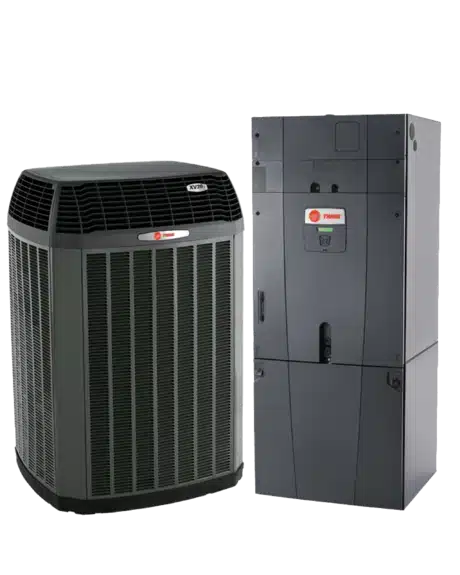
- Outdoor unit: Pricing varies by compressor type (single‑stage, two‑stage, variable‑speed), sound ratings, and cold‑climate performance.
- Indoor air handler or coil: Matching equipment, ECM blowers, and coil configuration affect efficiency and airflow—and thus operating cost.
- Refrigerant line set: Reuse vs. replacement depends on size, condition, and compatibility; replacements add materials and labor.
- Compressor technology: Variable‑speed costs more upfront but typically lowers monthly bills and improves comfort.
- Reversing valve and controls: More advanced control boards improve staging and defrost logic, affecting efficiency and comfort.
- Thermostat: Upgraded controls enable better staging and schedules, trimming operating costs without large add‑on price.
- Ductwork and vents: Sealing, resizing, or adding returns may increase install cost but often pays back through lower utility spend.
- Auxiliary/backup heat: Sizing and control strategy influence winter electric usage and panel/load requirements.
Because installation quality, electrical safety, and refrigerant practices directly impact performance and lifespan, professional installation is essential to achieving the lowest long‑term cost of ownership.
How Pros Estimate Installed and Operating Heat Pump Costs
Understanding each cost bucket—equipment, labor, add‑ons, and energy—helps you compare quotes on equal footing.
Installed Price Ranges by Type and Tonnage
Entry single‑stage ducted systems in the 2–3 ton range typically land at a lower installed price, while two‑stage and variable‑speed models cost more upfront but can cut energy bills and improve comfort. Ductless mini‑splits range widely based on the number of zones and line‑set lengths. Cold‑climate variable‑speed systems command a premium for stronger low‑temperature performance. ACS evaluates your load, ductwork, and electrical to present apples‑to‑apples options with clear installed pricing.
Our proposals outline equipment tier, SEER2/HSPF2 ratings, included accessories, and required code upgrades. We also note materials like pads, disconnects, line‑set modifications, and condensate solutions so there are no surprises on install day.
Comparing single‑stage vs. two‑stage vs. variable‑speed? We’ll show expected utility spend, comfort differences, and projected payback based on your usage and local rates, so you can choose the best value—not just the lowest ticket.
Operating Cost Drivers: Efficiency and Local Utility Rates
Monthly cost is mainly shaped by HSPF2 for heating, SEER2 for cooling, thermostat settings, and your electricity rate. Variable‑speed compressors and ECM blowers can run longer at low power, improving dehumidification and lowering kWh. In Georgia’s mixed climate, the right balance of HSPF2 and SEER2 often produces the best annual operating cost.
ACS models your home’s expected kWh based on load, runtime, and utility rates. We then compare options to highlight annual savings and realistic payback timelines, incorporating any available rebates or tax credits.
Budgeting for Add‑Ons, Maintenance, and Long‑Term Value
Smart budgeting looks beyond the sticker price. Plan for optional upgrades that lower energy use and enhance comfort, plus predictable upkeep over the life of the system.
- Ductwork modifications: Return air additions, sealing, and resizing can reduce static pressure and kWh, often yielding quick payback.
- Electrical and controls: Panel/load checks, dedicated circuits, disconnects, and smart thermostats may be required or recommended.
- Condensate and pads: Code‑compliant drains, float switches, and equipment pads safeguard your home and protect the investment.
- Compressor staging choice: Single‑stage is lowest upfront; two‑stage balances cost and comfort; variable‑speed offers the lowest operating cost with a longer payback horizon.
- Routine service and minor repairs: Annual maintenance keeps efficiency on track and helps avoid larger repairs. Budget for filters and occasional components over the life of the unit.
- Rebates, tax credits, and financing: Federal credits, utility rebates, and low‑APR financing can significantly reduce net cost and speed payback.
The ideal solution depends on your budget, energy goals, and how long you plan to stay in the home. Air Conditioning Services (ACS) will walk you through lifecycle cost, warranty coverage, and available incentives. We can also provide simple payback examples comparing equipment tiers so you see the long‑term value before you buy.
Incentives, Payback, and Reducing Out‑of‑Pocket Cost
Many homeowners qualify for a federal tax credit on eligible high‑efficiency heat pumps, and local utilities may offer rebates for specific SEER2/HSPF2 thresholds. Stacking incentives with promotional financing can bring the monthly payment close to your expected energy savings, helping the upgrade pay for itself.
For homes evaluating heat pump vs. gas furnace or considering energy‑saving controls, ACS can provide a quick comparison of annual operating costs and projected payback. When you’re ready, we’ll package your estimate with incentive details and financing options to make your decision easy and transparent.
Have questions about exact pricing for your home? Contact ACS for a no‑pressure consultation—we’ll provide a clear, line‑item estimate and help you choose the right path for comfort and cost control.
Heat Pump Cost: What Drives the Price From Purchase to Operation
Understanding heat pump cost means looking beyond the sticker price. Total ownership includes equipment, professional installation, electrical or ductwork updates, and the day-to-day cost to run the system. Knowing these components upfront helps you budget accurately, avoid surprise add-ons, and choose an option that balances comfort, efficiency, and long-term value.
Installed Price Ranges by System Type and Tonnage
Installed pricing typically scales with capacity (tonnage) and system design. As a general guide, 1.5–2 ton ducted heat pumps often land at a lower installed cost than 3–5 ton systems due to smaller equipment and simpler install needs. Ductless mini-splits (single-zone) are usually less expensive than multi-zone setups with several indoor heads. Variable-speed equipment commands a premium over single-stage. For planning purposes, expect a meaningful step-up in installed price at each tonnage increase and with advanced features like inverter-driven compressors.
Air Conditioning Services (ACS) provides line-item proposals that separate equipment, labor, and any required upgrades so you can see exactly how system type and size influence your final price.
Installation Complexity and Labor Factors
Labor hours can swing your project cost significantly. Factors include location of the air handler, attic or crawlspace access, pad and placement for the outdoor unit, line-set routing distance, electrical service availability, and code requirements like disconnects and surge protection. Existing ductwork condition, condensate routing, and permits also affect timeline and price. Homes needing new dedicated circuits, panel upgrades, or condensate pumps will see higher labor and materials costs compared with straightforward replacements.
ACS evaluates these site variables during an on-site assessment to produce a precise, no-surprises installation estimate tailored to your home.
Operating Costs: Efficiency Ratings and Local Utility Rates
Monthly operating cost depends on efficiency (SEER2 for cooling, HSPF2 for heating), thermostat settings, climate, and your local electric rate. Higher efficiency equipment can lower kilowatt-hour consumption, especially during peak seasons. In cooling-dominant regions, SEER2 plays a larger role; in heating-dominant or mixed climates, HSPF2 has greater impact. Even small differences in efficiency can compound into notable savings over 10–15 years, especially if your utility charges tiered or time-of-use rates.
ACS can model estimated annual operating cost using your recent electric bills, local utility rates, and system options to help you compare lifecycle cost rather than just the upfront price.
Maintenance and Repair Cost Expectations
Routine tune-ups are modest compared to the long-term savings they protect. Filter changes and seasonal checkups help keep bills predictable and reduce the risk of costly failures. Over the lifespan, common repair ranges vary: capacitors and contactors are generally low-cost fixes, while components like ECM blower motors, control boards, or refrigerant leak repairs can be mid-range expenses. Major parts such as compressors carry higher repair costs and are typically considered against remaining warranty and system age.
Rebates, Tax Credits, and Financing Options
Federal tax credits, utility rebates, and manufacturer promotions can trim thousands from your net cost when choosing qualifying high-efficiency equipment. Some incentives require minimum SEER2/HSPF2 ratings or certified installation. Financing with competitive APRs can spread payments over time, aligning monthly cost with energy savings. ACS tracks current incentives, prepares documentation, and offers financing options to help you capture available savings with a manageable monthly budget.
Cost Comparison: Single-Stage vs Two-Stage vs Variable-Speed
Single-stage systems have the lowest upfront price but the least modulation, which can increase runtime swings and operating costs. Two-stage adds a moderate premium with better comfort and improved part-load efficiency. Variable-speed (inverter) carries the highest installed cost but delivers top-tier comfort, humidity control, and energy savings—often resulting in the best lifecycle value in markets with long heating or cooling seasons.
Ductwork Modifications and Add-On Costs
Duct repairs, resizing, or sealing can be essential to reach rated efficiency and quiet operation. Other potential add-ons include smart thermostats, surge protection, float switches, pan replacements, condensate pumps, and new line sets. These items modestly increase upfront cost but can prevent water damage, extend equipment life, and improve comfort, protecting your investment over time.
Long-Term Cost of Ownership and Payback
When you combine installed price, incentives, expected maintenance, and projected operating costs, the total lifecycle cost becomes clear. Many homeowners see payback from higher-efficiency systems within several years, especially when replacing older, inefficient units or when utility rates are high. ACS can provide side-by-side comparisons illustrating estimated payback timelines and 10–15 year cost projections so you can select the option that delivers the best return for your home.
How ACS Builds Accurate Heat Pump Cost Estimates
Total cost clarity starts with a thorough home assessment. ACS reviews your existing equipment, electrical capacity, and duct condition, then matches system type and tonnage to your load needs. This process prevents oversizing, minimizes rework, and produces a precise, transparent quote that breaks out equipment, labor, and any recommended upgrades.
During your estimate, ACS evaluates cost-impact items, including:
- System capacity (tonnage) aligned with a proper load calculation.
- Duct condition, sizing, sealing needs, and airflow targets.
- Indoor/outdoor unit placement, line-set routing, and clearances.
- Electrical requirements: breakers, wiring, disconnects, and code updates.
- Controls and thermostat compatibility for staged or variable-speed systems.
- Condensate management, pans, pumps, and drain routing.
- Permits, inspections, and manufacturer start-up procedures.
- Eligibility for rebates, tax credits, and utility incentives.
- Site-specific challenges that could affect labor hours.
The final proposal reflects real-world conditions at your home. ACS can also present multiple efficiency tiers—single-stage, two-stage, and variable-speed—with estimated operating costs based on SEER2/HSPF2 so you can weigh upfront cost against long-term savings. Clear pricing, documented warranties, and available financing empower confident, budget-smart decisions.
Between appointments, review recent utility bills and consider your comfort priorities. Sharing typical thermostat settings, hot/cold spots, and plans for future renovations helps ACS tailor recommendations that balance comfort, cost, and efficiency today and for years to come.
Repair vs. Replace: Cost Math and When Upgrading Pays Off
When a repair estimate approaches a significant percentage of replacement cost—or when efficiency is far below current standards—replacement can deliver a lower lifecycle cost. Older units with frequent service calls, major component failures, or limited warranty coverage often cost more to keep than to upgrade, especially with today’s incentives.
ACS compares repair price, remaining warranty, equipment age, and projected operating costs to quantify payback. Factoring in SEER2/HSPF2 improvements, available rebates and tax credits, and financing options helps determine the most economical path forward without guesswork.
Right-sizing and duct compatibility are essential to protect your investment. Proper airflow and static pressure reduce energy waste and enhance comfort, which directly affect operating cost. ACS evaluates home layout, insulation levels, window gains, and occupancy so your selected system performs efficiently from day one.
ACS provides heating and air system installation and helps customers review system sizes and types that are effective and affordable for their homes or offices. The team emphasizes clear recommendations so customers can make informed decisions without pressure.
Heat Pump Pricing Guidance for Gainesville and Northeast Georgia
Local climate, code requirements, and utility rates shape both installed and operating costs. ACS translates these regional factors into realistic budgets, explains incentives available in Northeast Georgia, and outlines warranty terms—equipment and labor—so you know your true cost of ownership.
Air Conditioning Services provides residential and commercial HVAC service throughout Gainesville and Northeast Georgia. ACS has generations of experience installing, maintaining, and repairing heating and air systems of all brands. The company offers flexible scheduling, employs highly trained and background-checked HVAC contractors, and backs its products and services with a 100% guarantee.
ACS serves customers across Hall, Habersham, Gwinnett, Jackson, Stephens, Dawson, Lumpkin, and Forsyth counties, including Gainesville, Flowery Branch, Oakwood, Clermont, Lula, Buford, Braselton, Dawsonville, Dahlonega, and Cumming.
For dependable heat pump repair, maintenance, installation, or replacement guidance, call Air Conditioning Services at 770-532-0731.
Understanding Heat Pump Cost in Northeast Georgia
Planning a heat pump upgrade starts with a clear picture of total ownership cost—not just the sticker price. A properly sized system, correct refrigerant handling, and code-compliant electrical work all influence your installed cost and long-term operating expenses. Thoughtful design and expert installation help you avoid hidden costs like excessive energy use, premature repairs, or comfort issues that shorten system life.
Air Conditioning Services (ACS) provides transparent, line-item estimates for homes and businesses across Northeast Georgia, including Gainesville, Flowery Branch, Oakwood, Clermont, Lula, Buford, Braselton, Dawsonville, Dahlonega, Cumming, and nearby communities. Our advisors assess load, duct condition, electrical capacity, and site access to deliver accurate pricing for ducted heat pumps, ductless mini-splits, and dual-fuel options—never one-size-fits-all quotes.
Curious what your installed price will be for a 2–5 ton system, what SEER2/HSPF2 efficiency means for your power bill, or how rebates and tax credits can cut your net cost? Call Air Conditioning Services at 770-532-0731. ACS will evaluate your home’s requirements, outline equipment tiers (single-stage, two-stage, variable-speed), detail labor and material factors, and provide clear options that balance upfront cost with lifetime savings.
Open 7AM - 5PM Monday-Friday
Quick Contact Form
Make a Payment

Our Service Area
We have happy customers all around the Northeast Georgia area. We’ve provided HVAC services for homes and businesses in:
· Hall County: Clermont, Flowery Branch, Gainesville, Lula, & Oakwood
· Habersham County: Alto, Baldwin, Clarkesville, Cornelia, Demorest, Mount Airy & Tallulah Falls
· Gwinnett County: Dacula, Sugar Hill, Buford, Lawrenceville
· Jackson County: Pendergrass, Arcade, Braselton, Commerce, Hoschton, Jefferson, Maysville, Nicholson & Talmo
· Stephens County: Martin & Toccoa
· Dawson County: Dawsonville
· Lumpkin County: Dahlonega
· Forsyth County: Cumming
Contact us today when you need HVAC services you can trust.