


Why Is One Room Hot? | AC Airflow & Comfort Fixes
Dealing with a single room that stays warmer than the rest? Understand the common causes, smart DIY checks, and when to call Air Conditioning Services (ACS) in Gainesville, GA for professional airflow testing and duct solutions.
Why Is One Room Hot?
Hot spots typically happen when a room’s heat gain or airflow doesn’t match what your HVAC system delivers. Extra sun exposure, older windows, thin insulation, or a room over a garage can increase the room’s cooling load. At the same time, restricted vents, a clogged filter, undersized or leaking duct runs, closed doors without adequate return paths, or poor system balancing can starve that area of cool air. The result: one stubbornly warm room while the thermostat—often in a cooler hallway—says everything is fine.
The most important question is whether the room is getting enough conditioned air compared to its load. If the rest of the house feels comfortable but one space never catches up, you’re likely dealing with airflow distribution or room-specific load issues, not a whole‑home AC failure. Signs include weak airflow at that room’s supply register, a noisy vent (indicating high static pressure), closed or blocked returns, duct kinks, or significant afternoon temperature rise from solar gain.
Air Conditioning Services (ACS) provides residential and commercial airflow diagnostics, duct repair, balancing, insulation guidance, and comfort upgrades across Gainesville and Northeast Georgia. Our technicians evaluate the full system—supply and return vents, filters, duct sizing and leakage, static pressure, thermostat placement, and room load factors like windows and insulation—to pinpoint why one room stays hot and recommend targeted fixes.
Is It Normal for One Room to Be Warmer?
Some temperature variation between rooms is common, especially on sunny summer afternoons. Rooms with large west- or south-facing windows, high ceilings, minimal shade, or those over unconditioned spaces naturally gain more heat. However, a persistent several-degree difference suggests correctable issues with airflow, duct design, or room load.
You may notice a room runs hotter when:
- It gets direct afternoon sun or has large, unshaded windows.
- Insulation is thin or missing in walls, attic knee spaces, or over a garage.
- Furniture, drapes, or rugs block supply registers or return grilles.
- The air filter is dirty or interior doors stay closed without adequate return airflow.
- Ducts to that room are long, undersized, kinked, or leaking in the attic or crawlspace.
- The thermostat is in a cooler hallway, so the system cycles off before the hot room is satisfied.
- The system was never balanced with dampers to distribute airflow properly.
- The room’s use adds heat—computers, exercise equipment, lighting, or many occupants.
It becomes a problem when the room never reaches a comfortable temperature, airflow is weak or noisy, you notice dusty or musty odors from leaky ducts, doors slam or vents whistle (high static pressure), or utility costs climb as you overcool the rest of the home to compensate. In some cases, zoning limits or an undersized branch run can be the culprit; in others, duct leakage or poor balancing is to blame.
Right-sizing airflow starts with measurement, not guesswork. ACS can test static pressure, measure supply and return cfm, inspect for duct leaks, and assess room load. Solutions may include adjusting balancing dampers, sealing or resizing ducts, adding a dedicated return, improving window shading or insulation, installing a register booster, or, for challenging spaces, adding a small ductless mini-split or a proper zoning upgrade.
Why Is One Room Hot? Common Causes
When a single room runs hotter than the rest of the house, the issue is usually tied to a mismatch between the room’s heat load and the air it receives. Some fixes are simple DIY checks; others call for Air Conditioning Services (ACS) to test airflow, inspect ducts, and correct system balance.
Thermostat Location and Zoning Limits
Begin with the thermostat. If your home has a single thermostat, it measures temperature where it’s installed—not in the problem room. Rooms far from the thermostat, or on upper floors, can overheat before the main control senses a change. Also confirm the thermostat is set to cool with the fan on auto so the blower doesn’t mask hot-room symptoms by circulating unconditioned air.
Placement matters. A thermostat near a sunny window, kitchen, supply vent, or exterior door can misread conditions and stop cooling early, leaving other areas warm. Homes without zoning will naturally favor areas closest to the thermostat. ACS can evaluate zoning options or remote temperature averaging to better represent the hot room.
If the thermostat is malfunctioning or programmed poorly, it can aggravate hot spots. Wiring faults, drifted sensors, or schedules that raise temperatures during peak sun can all leave one room uncomfortable. Strategic relocation or zoning upgrades can help distribute comfort more evenly.
Dirty or Restrictive Air Filter
A clogged filter reduces system airflow, which can starve distant or upstairs rooms first. As dust builds, static pressure rises and less conditioned air reaches long duct runs, often creating one persistently hot room.
ENERGY STAR suggests checking filters monthly in peak seasons and changing them at least every three months. If your problem room is far from the air handler, even slight restriction can show up there first.
Use the correct filter size and an appropriate MERV rating. An overly restrictive filter in a system not designed for it can choke airflow to the hottest rooms. Considering a higher-MERV upgrade? Have ACS confirm your blower and ductwork can handle the added resistance.
Blocked Supply or Return Vents
Uneven temperatures often come down to air not moving where it should. A blocked supply register limits cooled air entering the room; a blocked or missing return path makes it hard for air to exit, reducing circulation.
Ensure furniture, rugs, curtains, and storage aren’t covering registers or grilles. Keep most supply registers open—closing vents in other rooms to “push” more air can backfire by raising static pressure, reducing total airflow, and making the hot room even hotter.
Dirty Coils Affecting Capacity
The indoor evaporator coil absorbs heat from your air; the outdoor condenser coil rejects that heat. If either is dirty, the system’s total cooling capacity drops and marginal rooms feel it first.
Reduced heat transfer forces longer runtimes without fully cooling problem areas. In extreme cases, a dirty indoor coil can also restrict airflow. Clean coils help maintain capacity so that distant rooms receive adequate cooling.
Coil cleaning is best left to trained ACS technicians—evaporator coils are delicate and integrated with refrigerant, drainage, and electrical components. Professional cleaning protects efficiency and restores even comfort.
Low Refrigerant Reducing Heat Removal
Refrigerant moves heat out of your home. If levels are low due to a leak, the system may still run but won’t pull out enough heat, and rooms with higher loads—like sunny bedrooms—will stay hot.
Refrigerant should not need routine top-offs. ACS will locate and repair leaks when appropriate and charge the system to manufacturer specs so capacity returns and hot spots diminish.
Watch for signs such as:
- Weak cooling in specific rooms despite long runtimes.
- Supply air that feels less cool than normal.
- Ice on refrigerant lines or the indoor unit.
- Hissing or bubbling near refrigerant lines.
- Higher energy use with uneven comfort.
Duct Leaks, Kinks, and Poor Balancing
Ducts deliver cooled air to each space. Leaks along the branch serving your hot room can dump conditioned air into an attic, crawl space, or wall cavity before it reaches the register.
Return leaks can also pull in hot, dusty attic or crawl-space air, diluting cool supply air and raising the room’s temperature. Kinked, crushed, or undersized flex duct, long runs, and lack of balancing dampers further limit delivery to the affected room.
ENERGY STAR notes 20%–30% of airflow can be lost to duct leakage. ACS can test for leakage, verify insulation levels on ducts in hot attics, identify undersized returns, and adjust or add balancing dampers so the hot room gets its fair share of airflow.
Frozen Evaporator Coil Causing Weak Airflow
If the evaporator coil ices over, airflow drops dramatically, and the most distant rooms feel warm first. The system may run, but the hot room won’t get enough cool air.
Frequent root causes include:
- Dirty or overly restrictive filter limiting airflow.
- Blocked supply or return paths.
- Dirty evaporator coil.
- Blower motor or control issues reducing air volume.
- Low refrigerant from a leak.
- High static pressure from duct or balancing problems.
If you see ice on refrigerant lines or the indoor unit, switch the thermostat from “cool” to “off.” Don’t chip ice. Contact ACS to find the cause so airflow and even temperatures can be restored.
Outdoor Unit Airflow and Capacity Issues
The condenser must release heat efficiently. Leaves, grass clippings, or stored items crowding the unit reduce heat rejection and overall capacity, leaving tougher rooms warm.
Mechanical issues—fan motor, compressor, capacitor, or control failures—also reduce delivered cooling. If the outdoor unit is noisy, short cycling, or running without adequate cooling, schedule service so the system can support even room temperatures again.
Room Load Differences and Sizing Mismatches
Some rooms simply gain more heat: large west-facing windows, minimal insulation, high ceilings, or electronics can overwhelm the air supplied to that space. Even a correctly sized whole-home system can struggle with a uniquely heavy room load.
Proper sizing is based on a room-by-room load calculation, not just square footage. Insulation levels, window type and orientation, air leakage, duct design, occupant load, and local climate all matter. If a room’s load is high or its duct run is undersized, it will run hot.
ACS can address this by adjusting balancing dampers, improving return paths, sealing and resizing ducts, or recommending targeted solutions such as a ducted/ductless mini-split, booster fan, or zoning—restoring comfort where you need it most.
What You Can Check Safely
If one room stays hotter than the rest, try these simple, safe steps before scheduling a visit:
- Verify the thermostat is set to cool with the fan on auto so the system can cycle normally.
- Lower the setpoint a couple of degrees and observe whether the hot room changes temperature within 30–60 minutes.
- Inspect and replace a dirty air filter—restricted filtration raises static pressure and starves distant rooms of airflow.
- Confirm all supply registers and return grilles in the hot room and nearby halls are fully open and not blocked by rugs, furniture, or curtains.
- Check that interior doors have adequate undercut or are left partially open so air can return to the hallway grille.
- Close blinds or shades on sun-facing windows to reduce solar gain; heavy afternoon sun can overwhelm a room’s cooling.
- Look at accessible duct runs to the hot room (in attic or crawlspace) for crushed flex duct, sharp kinks, or disconnected sections you can see—but do not enter unsafe spaces.
- Note whether airflow from the room’s supply register feels weak compared to other rooms, or if there are unusual noises from the vent.
If the room remains significantly hotter, there may be duct leaks, poor balancing, insulation gaps, or a load mismatch that requires professional testing and correction.
When to Call for AC Repair
Call Air Conditioning Services when a single room stays hot even though the AC seems to run normally and:
- Air from that room’s supply vent is faint or noticeably weaker than other rooms.
- Sun-exposed windows, thin insulation, or a bonus room above a garage cause ongoing heat gain you can’t offset with shades alone.
- Registers are open but the room still won’t reach the thermostat temperature.
- You suspect duct issues such as leaks, undersized runs, or kinks serving that room.
- Closing vents in other rooms to “push” more air makes noise or worsens comfort elsewhere.
- Utility bills are climbing while comfort is uneven across the home.
- The thermostat location cools the hallway but leaves bedrooms or an office too warm.
- You’ve tried filter changes, vent adjustments, and shade control without improvement.
- There are signs of condensation or attic/crawlspace heat around ductwork to the hot room.
- You’re considering zoning, a duct booster, or a mini-split and want expert guidance.
- You want a professional airflow and static pressure test to pinpoint the cause.
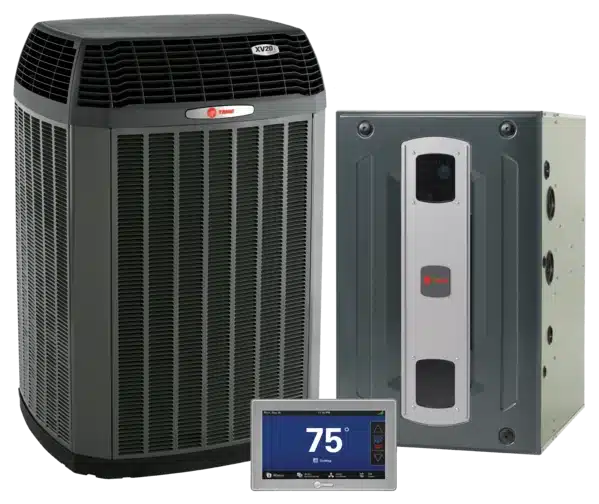
Hot Room Troubleshooting in Gainesville, GA
One consistently hot room usually points to a load or airflow imbalance—think solar gain from large windows, insufficient insulation, blocked returns, or duct runs that are leaking, kinked, or poorly balanced. Precise diagnostics matter: measuring airflow and static pressure, inspecting duct sizing and leakage, and assessing the room’s heat load prevents guesswork and unnecessary equipment changes.
Air Conditioning Services provides targeted comfort solutions in Gainesville and Northeast Georgia, including airflow testing, duct sealing and resizing, balancing dampers, smarter thermostat placement, booster fan integration, and room-by-room options like zoning or a mini-split for challenging spaces. Our technicians service all brands, explain findings clearly, and recommend practical fixes that align with your home, budget, and comfort goals.
ACS is licensed, insured, and bonded. Our highly trained, background-checked HVAC technicians back products and services with a 100% guarantee.
If one room in your home stays hot, call Air Conditioning Services at 770-532-0731 to schedule an airflow and comfort evaluation in Gainesville or the surrounding Northeast Georgia area.
Open 7AM - 5PM Monday-Friday
Quick Contact Form
Make a Payment

Our Service Area
We have happy customers all around the Northeast Georgia area. We’ve provided HVAC services for homes and businesses in:
· Hall County: Clermont, Flowery Branch, Gainesville, Lula, & Oakwood
· Habersham County: Alto, Baldwin, Clarkesville, Cornelia, Demorest, Mount Airy & Tallulah Falls
· Gwinnett County: Dacula, Sugar Hill, Buford, Lawrenceville
· Jackson County: Pendergrass, Arcade, Braselton, Commerce, Hoschton, Jefferson, Maysville, Nicholson & Talmo
· Stephens County: Martin & Toccoa
· Dawson County: Dawsonville
· Lumpkin County: Dahlonega
· Forsyth County: Cumming
Contact us today when you need HVAC services you can trust.