
When Should I Replace My Heating System? | ACS
Wondering when to replace your heating system? Weigh age, repair costs, safety, efficiency, and reliability to make a smart decision. Call Air Conditioning Services (ACS) in Gainesville, GA today.
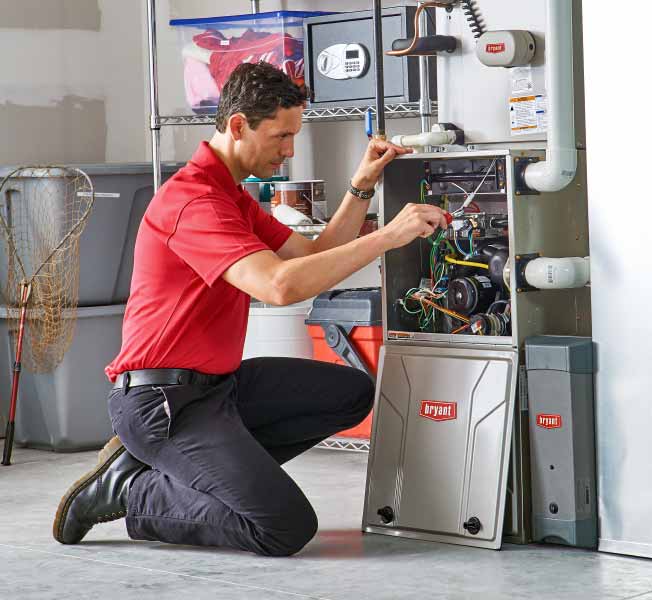
When to Replace an Aging Furnace or Heat Pump
Deciding the right time to replace a heating system—whether a furnace or a heat pump—comes down to more than a single symptom. The most informed choices consider system age, condition, repair history, operating efficiency, safety, and the total cost of keeping your home reliably warm.
In many Gainesville, GA homes, a well-targeted repair can extend useful life. But if your equipment is aging, breaking down repeatedly, running inefficiently, or raising safety or code concerns, full replacement often delivers better long-term value. The calculus is different for furnaces versus heat pumps: furnaces commonly reach replacement age around 15–20 years, while heat pumps—because they run year-round—often merit replacement at 10–15 years, especially when major components fail or efficiency has declined.
Air Conditioning Services (ACS) helps homeowners and businesses decide confidently. We assess your system type, performance, and risks; outline repair-versus-replacement scenarios; and recommend the path that best fits your budget, comfort, and goals. Call 770-532-0731 to schedule an evaluation in Gainesville, GA, and Northeast Georgia. ACS provides heating repair, maintenance, installation, and system replacement for residential and commercial properties.
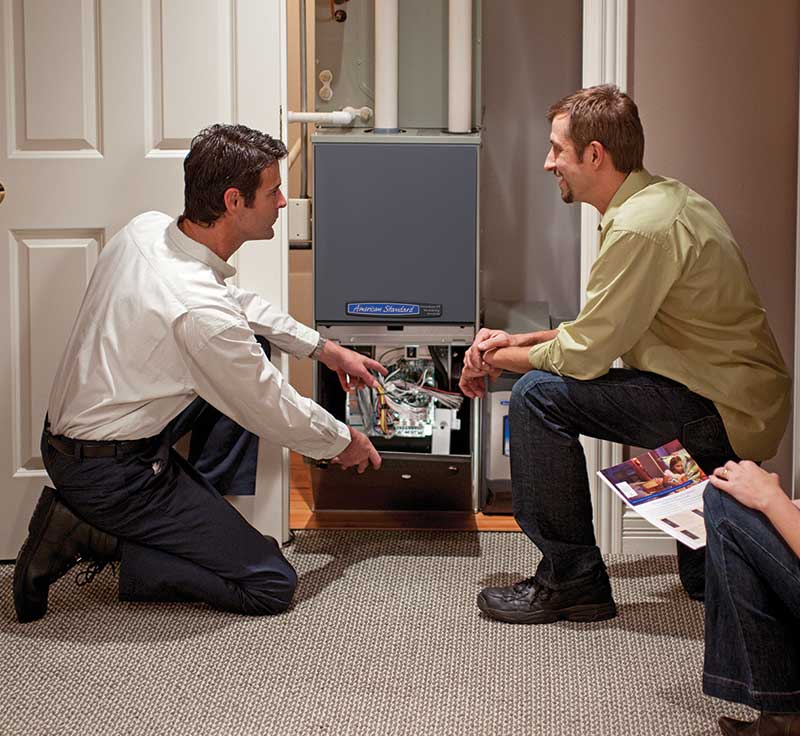
Get a Precise Diagnosis and Load Calculation
The decision to replace should begin with precise testing of what’s wrong today and why it’s happening. Similar symptoms can stem from very different root causes, and not all of them justify a new system.
For instance, a heating system that won’t keep up could be due to:
- Thermostat programming or communication errors
- Tripped breakers, loose wiring, or interrupted power
- Clogged air filters restricting airflow and causing overheating
- Failed ignition components on a furnace or a failed capacitor on a blower
- Dirty flame sensor or venting issues on gas equipment
- Blocked condensate drains on high-efficiency furnaces
- Safety limit, pressure switch, or control board malfunctions
- Weak blower motors, worn bearings, or capacitor problems
- For heat pumps: low refrigerant charge, failing reversing valve, or defrost issues
An experienced HVAC technician will test safety controls, measure temperature rise, verify airflow and static pressure, and check combustion or refrigerant operation. This determines whether a targeted repair will restore performance or if the symptoms signal broader decline that points toward replacement.
Air Conditioning Services (ACS) services most major brands and can diagnose uneven heating, short cycling, spikes in utility use, and other concerns to help you decide if fixing or replacing is the smarter next step.
When a Repair Is Cost-Effective
Repair is typically worthwhile when the issue is isolated, the equipment is not at the end of its life, and the fix will return the system to safe, efficient, and reliable operation.
Keep your current heating system if:
- The unit is newer for its type (furnace under ~12 years; heat pump under ~8–10 years) and well maintained.
- This is the first notable repair in several seasons.
- The failure is minor or moderate—such as an igniter, flame sensor, capacitor, thermostat, or wiring repair.
- Your home heats evenly and comfort quickly improves after service.
- Energy bills and runtime have stayed relatively stable.
- Replacement parts are readily available at reasonable cost.
- No combustion, electrical, or code-related safety issues are present.
- The equipment capacity matches the home per prior load calculations.
Targeted fixes can extend life cost-effectively. For example, a furnace with a worn hot-surface igniter or a dirty flame sensor may be restored to reliable operation after part replacement and proper combustion verification—without the expense of a full system swap.
Similarly, a blower capacitor replacement or thermostat recalibration often resolves performance complaints. The key is validating that the repair addresses the true cause, not just the symptom, and that the system’s remaining life and efficiency justify the spend.

Signs It’s Time to Replace the System
Replacement becomes the smarter financial and comfort decision when your system is older, faces costly or repeated repairs, underperforms, or raises safety and compliance concerns. Consider both system type and lifecycle: furnaces often last 15–20 years, while heat pumps typically reach replacement age earlier due to year-round operation.
Consider replacement when:
- Your furnace is 15+ years old or your heat pump is 10–15 years old and needs a significant repair.
- You’ve had multiple breakdowns over the last one to two heating seasons.
- Major components have failed (e.g., heat exchanger, blower motor, control board, gas valve, compressor, or reversing valve).
- Repair costs represent a large share of a new system’s price.
- Utility bills are rising while comfort and airflow are declining.
- Short cycling, constant running, cold spots, or poor defrost performance persist.
- Recurring loud noises or vibration indicate mechanical wear.
- Parts are obsolete, backordered, or no longer cost-effective.
- The system is improperly sized or your home is being remodeled or expanded.
Modern equipment can deliver meaningful efficiency gains. High-efficiency furnaces with improved AFUE and advanced blower technology, and heat pumps rated with higher SEER2 and HSPF2, can cut operating costs while improving comfort and airflow. Actual savings depend on correct sizing, installation quality, duct condition, home envelope, and usage habits.
Age alone isn’t the only trigger. A well-serviced 16-year-old furnace might still be worth one last minor repair, while a neglected 9-year-old heat pump with a failing compressor could justify early replacement. Compare the repair’s benefit and risk against the expected life, performance, and warranty value of new equipment.
Repair vs. Replacement: Cost and Risk Comparison
Key Decision Factors: Cost, Age, Efficiency, Risk |
Scenarios Favoring Repair |
Scenarios Favoring Replacement |
| System age | Newer unit or strong maintenance history | Furnace ~15+ years or heat pump ~10–15 years with significant issues |
| Repair history | First major repair in years | Recurring or seasonal breakdowns |
| Repair scope | Isolated component failure | Major component or multiple systems affected |
| Comfort | Even temperatures and airflow after service | Cold spots, weak airflow, short cycling persist |
| Energy use | Stable bills and reasonable runtime | Rising costs with declining comfort |
| Parts | Readily available and affordable | Obsolete, costly, or hard to source |
| Safety & code | No combustion, electrical, or code hazards | Heat exchanger, venting, gas, electrical, or code issues confirmed |
| Home plans | Short-term hold or budget bridge | Long-term stay, seeking reliability, efficiency, warranty |
Some homeowners use a rough screen like multiplying the system’s age by the repair estimate. If the product exceeds $5,000, replacement might be worth exploring. Treat that as only a starting point. A better approach weighs total cost of ownership, expected remaining life, safety risks, utility savings, and warranty coverage—ideally informed by a professional load calculation and written options from your ACS technician.
Safety, Codes, and Carbon Monoxide Risks
When determining if it’s time to replace your heating system, safety must come first. If a licensed technician discovers hazards tied to combustion, venting, gas supply, electrical integrity, or a compromised heat exchanger, replacement may be the only responsible path—regardless of short-term cost comparisons.
If you smell gas, your carbon monoxide alarm sounds, you see smoke, or you suspect an urgent gas-related danger, leave the building immediately and contact emergency services or your gas utility from outside. Do not try to restart equipment, flip electrical switches, light any flame, or investigate the issue yourself.
Replacement should be on the table if a thorough inspection reveals:
- A cracked or deteriorated heat exchanger
- Blocked, corroded, or misconfigured flue or combustion venting
- Frequent rollout-switch or high-limit safety trips
- Unstable burners, gas-valve malfunctions, or combustion irregularities
- Electrical arcing, damaged wiring, or repeated breaker trips
- Any condition that prevents safe operation now or in the near future
Your technician should clearly outline the risks, whether a repair would fully and durably correct the fault, and the options available so you can make an informed, safety-first decision.
Advantages of a High-Efficiency Upgrade (AFUE, SEER2, HSPF2)
Choosing to replace an aging heater isn’t just about ending breakdowns—it’s an opportunity to improve comfort, reduce operating costs, and modernize control. The right system, properly sized and installed, can stabilize room temperatures, boost efficiency, and restore peace of mind during peak winter weather.
Advantages you may see include:
- Lower risk of mid-season failures and emergency calls
- More reliable heat output and faster recovery on cold days
- Higher AFUE ratings that can trim monthly utility bills
- Smoother airflow and more even temperatures throughout the home
- Integration with smart, programmable thermostats for better control
- New manufacturer warranty protection
- Corrections to previous sizing, duct, or installation issues that limit performance
Accurate sizing is essential. Bigger isn’t better—oversized equipment short cycles and wastes energy, while undersized systems struggle to meet demand. A professional load calculation should account for square footage, insulation, windows, duct design, and the building envelope to pinpoint capacity and system type.
ACS provides heating-system replacement guidance and installation, helping you choose the right capacity and features for your home and budget.
What to Ask About Costs, Warranties, and Payback
Deciding when to replace your heating system should be based on facts, not frustration. To weigh repair versus replacement wisely, ask your HVAC professional:
- What failed, and is the issue isolated or a symptom of wider system wear?
- Will the repair address root causes or only provide a short-term fix?
- How old is my furnace or heat pump, and how does that compare to typical life expectancy?
- How do recent and projected repair costs compare to the price of replacement?
- Are there any current or potential safety or code-compliance concerns?
- What warranties apply to the repair versus a new system (parts and labor)?
- Why is replacement recommended now, and what are the lifecycle cost benefits?
- What size and efficiency (AFUE for furnaces, HSPF2/SEER2 for heat pumps) are appropriate for my home?
- Will upgrades require duct, electrical, venting, thermostat, or condensate changes?
- What maintenance will protect performance and efficiency after the work?
These questions help you evaluate total cost of ownership, safety, comfort, and efficiency—so your decision aligns with long-term value, not just the urgency of a no-heat situation.
Ways to Extend System Life and Performance
While every system will eventually need replacement, consistent maintenance delays that day and preserves efficiency. A seasonal tune-up typically includes verifying heating operation, tightening electrical connections, checking airflow and static pressure, inspecting burners and ignition, confirming safety controls, and reviewing filters and condensate components.
Homeowners can also support system longevity by:
- Changing filters on schedule to maintain airflow
- Keeping supply and return vents open and unobstructed
- Maintaining clear space around equipment and storing combustibles elsewhere
- Scheduling service at the first sign of unusual noise, odors, or short cycling
- Testing carbon monoxide alarms per manufacturer guidance
- Booking maintenance before peak heating season begins
ACS provides maintenance, repair, installation, and full heating-system replacement services for Gainesville, GA, residences and businesses.
Schedule Heating Replacement or Consultation in Gainesville, GA
Unsure if it’s time to replace your heating system? Air Conditioning Services will evaluate your equipment, compare repair and replacement scenarios, discuss efficiency and comfort impacts, and help you choose a solution that prioritizes safety and long-term value.
Call Air Conditioning Services at 770-532-0731 to schedule furnace repair, maintenance, or replacement service in Gainesville, GA, and the surrounding Northeast Georgia area.
Open 7AM - 5PM Monday-Friday
Quick Contact Form
Make a Payment

Our Service Area
We have happy customers all around the Northeast Georgia area. We’ve provided HVAC services for homes and businesses in:
· Hall County: Clermont, Flowery Branch, Gainesville, Lula, & Oakwood
· Habersham County: Alto, Baldwin, Clarkesville, Cornelia, Demorest, Mount Airy & Tallulah Falls
· Gwinnett County: Dacula, Sugar Hill, Buford, Lawrenceville
· Jackson County: Pendergrass, Arcade, Braselton, Commerce, Hoschton, Jefferson, Maysville, Nicholson & Talmo
· Stephens County: Martin & Toccoa
· Dawson County: Dawsonville
· Lumpkin County: Dahlonega
· Forsyth County: Cumming
Contact us today when you need HVAC services you can trust.