


How Much Does Heat Pump Repair Cost? | ACS
Wondering how much heat pump repair costs? Learn typical price ranges, what drives the total (parts, labor, access), and how season, refrigerant, and warranties affect your bill. Call Air Conditioning Services in Gainesville, GA today.
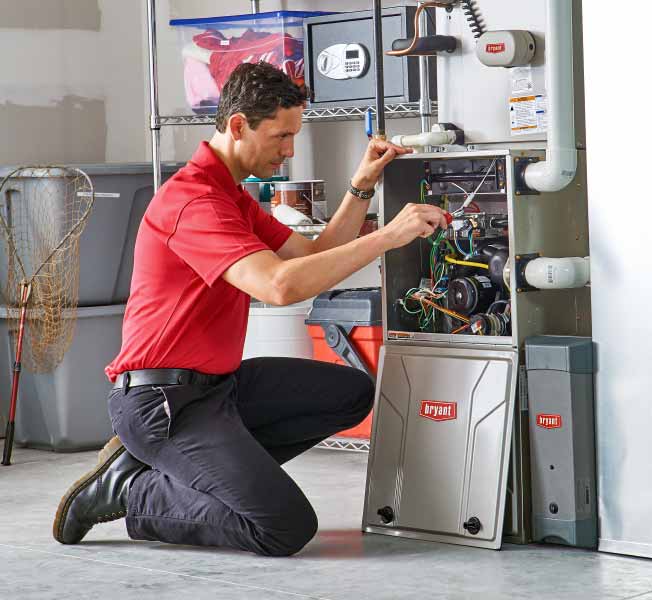
Heat Pump Repair Cost Overview
Heat pump repair pricing varies widely because the system both heats and cools, combines refrigeration and electrical components, and may be installed in tight spaces. Final costs depend on the part that failed, labor time, accessibility, refrigerant type, and whether the system uses inverter technology.
For many Gainesville, GA, homeowners, common fixes such as a run capacitor, contactor, defrost control sensor, or thermostat wiring fall on the lower end of the spectrum. Larger jobs—like a reversing valve, compressor, or refrigerant leak repair—sit at the high end because they require extensive diagnostics, specialized tools, and significant labor. Seasonal demand also matters: prices often rise during peak heating or cooling months due to limited appointment availability.
Air Conditioning Services helps homeowners and businesses understand their options before approving work. We provide clear estimates, explain part and labor breakdowns, and note any factors that could change the total, such as refrigerant handling or difficult access. Call 770-532-0731 to schedule heat pump service in Gainesville, GA, and Northeast Georgia. ACS provides repair, maintenance, installation, and replacement for residential and commercial heat pump systems.
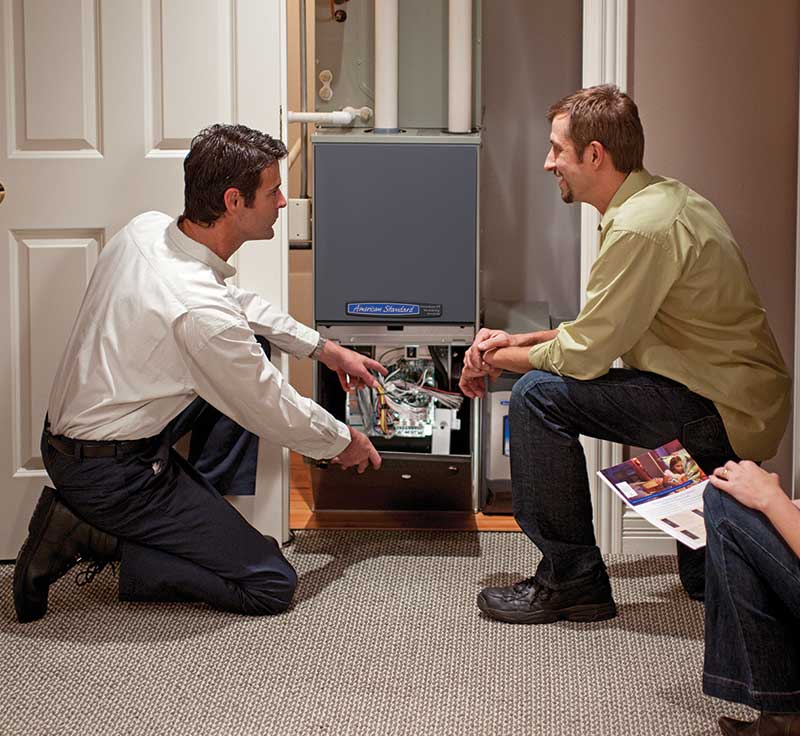
Cost Starts With Precise Troubleshooting
An accurate diagnosis is the foundation of an accurate repair estimate. Similar symptoms can come from very different heat pump issues, and misdiagnosis can inflate costs.
For example, a heat pump that won’t heat or cool properly could have:
- Thermostat programming or communication problems
- A tripped breaker, blown fuse, or low-voltage control issue
- Dirty air filter or blocked coil causing airflow and capacity loss
- A failed start/run capacitor or pitted contactor
- A faulty defrost control board or sensor causing icing
- Refrigerant undercharge from a small leak
- A stuck reversing valve or TXV/expansion device problem
- Outdoor fan motor or indoor blower motor/capacitor failure
- Compressor electrical failure or mechanical wear
Not every symptom requires a major repair. A certified HVAC technician will measure refrigerant pressures and superheat/subcooling, test electrical components under load, verify defrost operation, and inspect airflow to determine whether you’re facing a quick fix or a complex, multi-part repair.
Air Conditioning Services services most heat pump makes and models and uses methodical diagnostics to pinpoint issues like poor cooling, weak heat, short cycling, and excessive icing—so you know exactly what you’re paying for.
Common Repairs and Typical Price Ranges
Many heat pump issues are resolved with moderate costs when the failure is isolated and parts are readily available.
You may see lower-to-mid repair pricing when:
- Capacitors or contactors need replacement; these are common wear items.
- Defrost sensors or a simple thermostat wiring issue is the culprit.
- A failed inducer-equivalent component in a furnace does not apply; instead, heat pumps often need fan motors or control components serviced.
- Airflow restrictions are corrected with cleaning and maintenance rather than parts.
- Electrical connections are tightened and relays replaced as needed.
- TXV adjustments or minor control board repairs do not require extensive disassembly.
- Parts are in stock and labor access is straightforward.
Targeted repairs often restore performance quickly. For instance, replacing a failed capacitor that prevents the outdoor unit from starting can return the system to service the same day. Similarly, correcting a defrost sensor issue can stop recurrent icing and stabilize winter performance without major component replacement.
When problems extend to refrigeration leaks, reversing valves, or compressors, the price rises due to advanced diagnostics, refrigerant recovery and charging, brazing, nitrogen pressure testing, and extended labor to access and replace components.

Major Cost Drivers and When Repair Nears Replacement
Some repairs push totals higher because of part cost, system design, or time on site. Understanding these drivers helps you decide how to allocate your budget.
Consider these cost influencers:
- Age and repair frequency: Older heat pumps with repeated breakdowns make big-ticket repairs less attractive.
- Major components: Compressor, reversing valve, indoor/outdoor coil, or a proprietary inverter board raise parts and labor significantly.
- Refrigerant and regulations: Locating and fixing leaks, recovering and weighing in R‑410A or newer A2L blends like R‑454B, and EPA-compliant handling add time and materials.
- Access and configuration: Split systems in attics/crawlspaces can require extra labor; package units may need crane or roof access, impacting cost.
- Inverter vs. single-stage: Inverter-driven boards, sensors, and ECM motors are typically pricier than single-stage components but can deliver better efficiency after repair.
- Seasonal demand: Peak heating or cooling seasons often mean higher trip charges and longer lead times.
- Parts sourcing: OEM parts generally cost more but may preserve warranty; quality aftermarket alternatives can reduce spend when appropriate.
- Warranty status: Active parts warranties lower the material cost; labor is usually not fully covered.
As a general budgeting guide, when the combined cost of a compressor or reversing valve replacement approaches a substantial share of a new system—and the unit has a history of leaks or control failures—it’s wise to discuss long-term economics. While we briefly evaluate replacement in those cases, this page focuses on repair costs; your ACS technician will outline both paths with line-item clarity.
Repair Cost Considerations at a Glance
Cost factor |
Lower impact on price |
Higher impact on price |
|
Component type |
Capacitor, contactor, defrost sensor, thermostat wiring |
Compressor, reversing valve, indoor/outdoor coil, inverter control board |
|
Repair scope |
Isolated failure, no refrigerant work |
Multiple faults, refrigerant leak find/fix and recharge |
|
System access |
Ground-level outdoor unit, easily reached air handler |
Attic/crawlspace air handler, roof/package unit access |
|
Technology |
Single-stage, standard PSC motors |
Inverter-driven, ECM motors, proprietary boards |
|
Seasonal timing |
Shoulder season with open schedules |
Peak heating/cooling season with premium demand |
|
Parts sourcing |
Readily available, compatible parts |
OEM-only, backordered, or obsolete components |
|
Refrigerant |
No charge needed; system sealed |
Leak detection, recovery, weigh-in, compliance steps |
|
Budget decision |
Repair restores full function with limited risk |
High-cost repair on an aging unit may justify evaluating replacement |
A quick online rule of thumb can be a starting point, but it rarely reflects real-world variables like inverter electronics, refrigerant regulations, local labor, or access complexity. Air Conditioning Services provides itemized estimates—including trip charge, diagnostics, parts, and labor—so you can compare repair value against long-term plans with confidence.
Safety And Compliance Can Affect Repair Costs
With heat pumps, certain conditions require immediate attention regardless of price shopping. If a technician finds hazards involving high-voltage wiring, refrigerant leaks, shorted components, or compromised defrost controls, they may advise shutting down the system or performing only repairs that return it to safe, code-compliant operation.
If you suspect a refrigerant leak or electrical burning smell, hear arcing, see smoke, or your carbon monoxide alarm sounds due to an attached gas appliance, leave the area and seek help. Do not attempt to reset breakers repeatedly, open the refrigerant circuit, or run the heat pump while troubleshooting on your own.
A replacement or major component discussion can be appropriate if the technician identifies:
- Severe compressor damage or grounded windings
- A stuck or leaking reversing valve impacting heating and cooling
- Widespread electrical damage from a short or surge
- Refrigerant leaks in coils that are not economically repairable
- Failed defrost control causing persistent icing and system strain
- Conditions that prevent safe, reliable operation after repair
Your technician should clearly explain what was found, why it matters for safety and performance, whether repair is technically feasible, and the available options with estimated costs.
When Repair Costs Approach Replacement
Understanding how much heat pump repair costs often includes weighing repair totals against the value of the system. If a major component fails—such as the compressor, outdoor coil, or inverter drive—the price can approach a substantial percentage of a new system. In those cases, replacement may reduce long-term risk, improve efficiency, and restore full factory warranty protection.
Situations that commonly prompt a replacement conversation include:
- High-dollar compressor or reversing valve replacement on out-of-warranty equipment
- Frequent refrigerant leaks or coil corrosion leading to repeat charges
- Costly inverter board or motor failures on older variable-speed systems
- Multiple age-related breakdowns in the same season
- Parts availability issues that extend downtime and raise labor costs
- Installation or sizing limitations that a new system could correct
Capacity selection still matters with heat pumps. Oversizing can reduce dehumidification and cause short cycling, while undersizing can force expensive auxiliary heat use. A professional evaluation should consider load, envelope, windows, ductwork, and controls before recommending capacity and system type.
Air Conditioning Services (ACS) provides heat pump replacement consultations and cost comparisons so you can decide whether a large repair or a new system is the smarter financial move.
Cost Questions To Ask About Heat Pump Repairs
A clear estimate helps you understand where your money goes. When reviewing a heat pump repair quote, ask your HVAC technician:
- Which component failed (compressor, reversing valve, TXV, defrost board, contactor, fan motor) and why?
- Is the repair addressing the root cause (e.g., low voltage, airflow, contamination, leak) or only the symptom?
- How old is the system, and what is the expected remaining life for the major parts?
- Are labor, trip charge, diagnostics, and refrigerant recovery/recharge included in the price?
- Will OEM or aftermarket parts be used, and how do warranties differ?
- What is the estimated refrigerant cost by type and pounds required (R‑410A, transition to R‑454B)?
- Are there seasonal demand impacts on scheduling or price during heat waves or cold snaps?
- For inverter systems, are control boards and motor drives covered under any manufacturer warranty?
- Will access issues (attic, crawlspace, roof, package unit) affect labor hours?
- At what repair total would ACS recommend considering replacement instead?
These questions help align the price with scope, parts quality, and long-term value—so you can budget confidently.
Keeping Future Repair Costs Down
While every system will eventually need service, strategic maintenance helps avoid big-ticket repairs. A seasonal heat pump tune-up should verify charge and superheat/subcooling, test defrost operation, check electrical connections and contactors, measure airflow and static pressure, clean coils and drain lines, and review thermostat and sensor performance.
Homeowners can also lower risk and protect their budget by:
- Replacing filters regularly to maintain airflow and reduce auxiliary heat use
- Keeping outdoor coils clear of debris and vegetation for proper heat exchange
- Scheduling service when you notice longer run times, icing, or rising utility bills
- Documenting repair history and warranty status for informed cost decisions
- Booking maintenance before peak heating or cooling season to avoid surge pricing
- Using surge protection where appropriate to protect inverter boards
ACS offers heat pump maintenance, repair, installation, and replacement services for Gainesville, GA, homes and businesses—focused on preventing surprises and keeping ownership costs predictable.
Get A Heat Pump Repair Cost Estimate in Gainesville, GA
Curious how much your heat pump repair will cost? Air Conditioning Services (ACS) will diagnose the issue, explain parts and labor options, review warranty coverage, and provide a transparent estimate so you can make the best financial decision.
Call Air Conditioning Services at 770-532-0731 to schedule heat pump repair, maintenance, or replacement service in Gainesville, GA, and the surrounding Northeast Georgia area.
Open 7AM - 5PM Monday-Friday
Quick Contact Form
Make a Payment

Our Service Area
We have happy customers all around the Northeast Georgia area. We’ve provided HVAC services for homes and businesses in:
· Hall County: Clermont, Flowery Branch, Gainesville, Lula, & Oakwood
· Habersham County: Alto, Baldwin, Clarkesville, Cornelia, Demorest, Mount Airy & Tallulah Falls
· Gwinnett County: Dacula, Sugar Hill, Buford, Lawrenceville
· Jackson County: Pendergrass, Arcade, Braselton, Commerce, Hoschton, Jefferson, Maysville, Nicholson & Talmo
· Stephens County: Martin & Toccoa
· Dawson County: Dawsonville
· Lumpkin County: Dahlonega
· Forsyth County: Cumming
Contact us today when you need HVAC services you can trust.