

How Much Does Furnace Repair Cost? | ACS
Curious what you should budget for a furnace repair? Learn typical price ranges, what drives costs up or down, and ways to save. Call Air Conditioning Services in Gainesville, GA today.
Furnace Repair Costs at a Glance
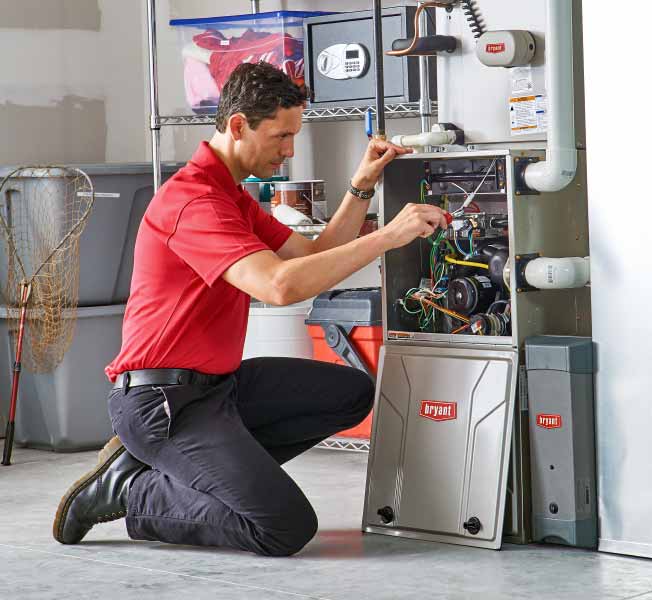
When a heater stops working, most homeowners want one answer first: how much will it cost to fix? The total depends on the part that failed, labor time, how quickly you need service, brand-specific parts availability, and whether any warranty still applies.
In Gainesville, GA, many repairs are straightforward and affordable. Common fixes like an igniter replacement, flame sensor cleaning, or a thermostat correction often fall on the lower end of the spectrum. Bigger issues—such as a failed inducer motor, control board, gas valve, or cracked heat exchanger—can cost significantly more due to parts pricing and labor complexity.
Air Conditioning Services helps homeowners and businesses understand pricing before work begins. We explain diagnostic findings, outline repair options with clear estimates, and help you compare short-term cost against long-term value. Call 770-532-0731 to schedule furnace service in Gainesville, GA, and Northeast Georgia. ACS provides furnace repair, maintenance, installation, and replacement for residential and commercial customers.
Start With an Accurate Diagnosis
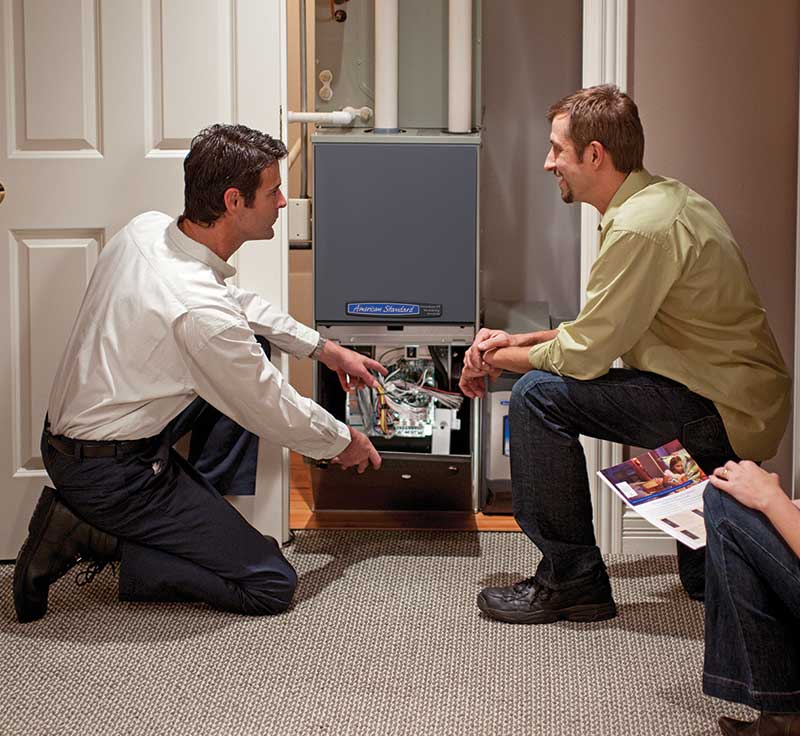
Cost clarity starts with knowing exactly what failed. The same symptom can have drastically different price tags depending on the root cause.
For example, a furnace that will not turn on could be traced to:
- An incorrect thermostat setting or thermostat communication issue
- A tripped breaker or power interruption
- A dirty air filter causing overheating
- A failed igniter
- A dirty or malfunctioning flame sensor
- A clogged condensate drain
- A defective pressure switch, limit switch, or control board
- A blower motor or capacitor problem
- A gas valve, burner, or venting-related concern
Each item above carries its own parts price and labor time. A simple adjustment or cleaning may cost little more than the diagnostic fee, while electronic controls or motors can be several hundred dollars. A trained HVAC technician tests electrical, gas, combustion, and airflow components to pinpoint the failure and prevent unnecessary part swaps that inflate the bill.
Air Conditioning Services works with furnaces across makes and models and provides transparent pricing for issues like intermittent heat, cool air from vents, unusual noises, and other heating problems.
Typical Price Ranges by Component
While every home and brand is different, these categories can help set expectations for common furnace repairs. Final pricing depends on part availability, model type, labor time, and service timing.
You may encounter costs in these general ranges:
- Igniter replacement or flame sensor service: often among the lowest-cost repairs.
- Thermostat replacement or low-voltage wiring repair: generally low to moderate.
- Capacitor, limit switch, pressure switch, or basic electrical connection: typically low to moderate.
- Inducer motor or blower motor repairs: moderate to higher depending on motor type and accessibility.
- Control board replacement: moderate to higher due to part cost and setup.
- Gas valve replacement or burner assembly work: moderate to higher.
- Heat exchanger issues: highest tier; often triggers a repair-versus-replace discussion.
A small, isolated fix can deliver strong value, especially for newer systems. For example, replacing a worn hot-surface igniter or cleaning a fouled flame sensor can restore normal operation quickly and affordably. Higher-ticket components, such as a control board or inducer motor, may still be worthwhile when the system is in otherwise good condition and under partial warranty.
Air Conditioning Services provides written estimates so you can compare repair cost with the remaining life of your equipment and choose the most cost-effective path.

What Drives Furnace Repair Pricing?
Several factors influence your final invoice beyond the failed part itself. Understanding these helps you plan and avoid surprises.
Consider the following:
- Emergency vs. scheduled service: After-hours and same-day emergency calls typically carry higher diagnostic and labor rates than weekday appointments.
- Brand and parts availability: OEM parts for certain brands or older models can be more expensive or take longer to source, affecting both price and timeline.
- Diagnostic fees and labor rates: Most repairs start with a diagnostic charge; total labor depends on complexity, accessibility, and setup or calibration needs.
- Warranty status: If parts are under manufacturer warranty, you may only pay labor; out-of-warranty parts increase costs.
- Repeat repairs vs. replacement: Paying repeatedly for major components can exceed the value of a newer unit over time, especially with heat exchanger or control system failures.
- Home and installation variables: Limited access, code updates, or venting corrections may add time and materials.
- Service window: Flexible scheduling can reduce costs compared to rush or peak-season appointments.
As a general screening tool, some homeowners compare the age of their furnace with the total repair estimate to gauge value. While helpful, this rule doesn’t reflect maintenance history, warranty coverage, or local labor rates. The best choice comes from a professional assessment and a clear, itemized estimate tailored to your system.
Cost Considerations at a Glance
Cost driver |
Lower-cost scenario |
Higher-cost scenario |
|
Service timing |
Weekday, scheduled visit |
After-hours, weekend, or holiday emergency |
|
Repair frequency |
First repair in years |
Repeated seasonal breakdowns |
|
Scope of work |
Single minor component |
Major component or multiple parts |
|
Performance impact |
Comfort restored with basic service |
Persistent airflow or combustion issues |
|
Energy use |
Stable bills and runtime |
Rising costs with declining comfort |
|
Parts sourcing |
Common, in-stock components |
Obsolete or brand-specific parts |
|
Warranty |
Active parts warranty lowers cost |
Out of warranty—full parts and labor |
|
Future plans |
Short-term hold or budget fix |
Long-term value and reliability priority |
Want to minimize out-of-pocket costs? Schedule maintenance to prevent avoidable failures, ask about repair vs. replacement break-even points for major parts, and check manufacturer and installer warranties. Air Conditioning Services can also discuss financing and seasonal promotions to help you manage larger repairs when needed.
Safety Factors That Can Influence Cost Decisions
When pricing furnace repairs, confirmed safety hazards immediately change the conversation. If a technician finds issues with combustion, venting, gas supply, electrical components, or a compromised heat exchanger, they may advise shutting the unit down. In these cases, costs can include emergency service, additional diagnostics, or code-required fixes that go beyond a standard part replacement.
If you smell gas, your carbon monoxide alarm sounds, you see smoke, or suspect a gas-related emergency, leave the building and contact emergency services or your gas utility from outside. Do not try to relight, reset, or cycle power to the furnace, and avoid operating any switches or open flames.
Budget planning may shift toward replacement pricing if the technician documents:
- A cracked or failed heat exchanger
- Blocked, damaged, or poorly configured exhaust/combustion venting
- Frequent rollout-switch trips indicating unsafe flame conditions
- Major burner misfire or gas-valve malfunction
- Electrical damage or recurring breaker trips
- Any condition that prevents safe operation even after repair
Your technician should outline what was found, why it matters for safety, whether repair is technically feasible, code implications that affect price, and the full range of solutions with transparent costs.
When a New Furnace May Be the Cost-Effective Choice
Sometimes repair pricing approaches a meaningful share of replacement cost, especially with critical components. A new, properly sized furnace can lower ongoing expenses with fewer breakdowns, improved efficiency, and modern controls—benefits that factor into total cost of ownership beyond the immediate fix.
Potential value points include:
- Lower likelihood of recurring repair bills on aging equipment
- More reliable performance during peak cold snaps
- Higher fuel efficiency compared to an older model, trimming utility costs
- Improved airflow and steadier room-to-room temperatures
- Compatibility with programmable and smart thermostats for better control
- Manufacturer warranty coverage on new equipment
- An opportunity to correct prior sizing or ductwork issues that increase costs
Right-sizing matters for both comfort and cost. Oversized systems short cycle and waste energy; undersized units run long and still underperform. A professional load evaluation should account for your home’s layout, insulation levels, windows, duct design, and building envelope to recommend the most cost-efficient capacity and furnace type.
ACS helps homeowners compare major repair costs vs. replacement pricing, providing clear estimates and guidance so you can choose the best long-term value for your home.
Key Cost Questions to Ask Your Technician
Clear answers make it easier to budget and avoid surprises. When reviewing your estimate, ask:
- Which part failed, and what symptoms or tests confirmed it?
- Will this repair address the root cause or just the symptom?
- How does my furnace’s age and condition affect repair ROI?
- Have I had repeat issues that suggest rising lifetime repair costs?
- Are there any safety or code items that change the total price?
- What is the diagnostic fee, labor rate, and what exactly does the estimate include?
- What warranties apply to parts and labor, and for how long?
- If replacement is suggested, how does its total cost compare with projected repair spend over the next 2–3 years?
- Will any duct, electrical, venting, thermostat, or condensate modifications be needed and priced in?
- What maintenance steps will help protect my repair investment?
These questions keep the decision focused on verified findings, transparent pricing, and the long-term value of the chosen route.
Typical Furnace Repair Costs and How to Save
Pricing varies by brand, part availability, labor time, and service window. As general guidance, many homeowners see:
• Diagnostic fee: often a flat charge applied toward repair when approved
• Igniter replacement: commonly mid-range due to part sensitivity and access
• Flame sensor cleaning/replacement: usually on the lower end unless corrosion is severe
• Pressure switch or limit switch: typically moderate
• Inducer motor: higher due to part cost and labor
• Control board: moderate to higher depending on model and availability
• Gas valve: higher-end repair requiring calibration and leak testing
• Heat exchanger: premium-level repair; replacement is often more cost-effective
Emergency or after-hours service generally increases labor rates. Brand-specific parts and backorders can also raise costs. If your furnace is under parts warranty, you may only pay labor and trip charges; out-of-warranty systems pay both parts and labor. When similar parts fail repeatedly, compare the next repair’s cost against the price of a new, warrantied unit.
Ways to reduce out-of-pocket costs include maintenance to prevent failures, addressing minor issues early, membership plans that discount diagnostics and labor, scheduling non-urgent work during normal hours, and confirming any manufacturer or installer warranty coverage before authorizing repairs.
Schedule Furnace Service in Gainesville, GA
Curious what your specific furnace repair will cost? Air Conditioning Services will diagnose the issue, explain your options, and provide a clear estimate before work begins—so you can choose confidently between repair and replacement.
Call Air Conditioning Services at 770-532-0731 to schedule furnace repair, maintenance, or replacement service in Gainesville, GA, and the surrounding Northeast Georgia area.
Open 7AM - 5PM Monday-Friday
Quick Contact Form
Make a Payment
Our Service Area
We have happy customers all around the Northeast Georgia area. We’ve provided HVAC services for homes and businesses in:
· Hall County: Clermont, Flowery Branch, Gainesville, Lula, & Oakwood
· Habersham County: Alto, Baldwin, Clarkesville, Cornelia, Demorest, Mount Airy & Tallulah Falls
· Gwinnett County: Dacula, Sugar Hill, Buford, Lawrenceville
· Jackson County: Pendergrass, Arcade, Braselton, Commerce, Hoschton, Jefferson, Maysville, Nicholson & Talmo
· Stephens County: Martin & Toccoa
· Dawson County: Dawsonville
· Lumpkin County: Dahlonega
· Forsyth County: Cumming
Contact us today when you need HVAC services you can trust.