
North Georgia Home Heating Guide | Gainesville, GA HVAC Help
North Georgia Home Heating: Learn how to heat your home efficiently with furnace, heat pump, winter-prep, humidity, and energy-saving guidance. Call ACS today.

North Georgia Home Heating Guide
Heating a home in North Georgia requires planning for more than a few chilly mornings. Gainesville, GA, and surrounding Northeast Georgia communities experience generally moderate winters, but cold rain, overnight freezes, occasional snow and ice, and brief periods of below-freezing temperatures can place real demand on a furnace or heat pump.
The best heating strategy starts with dependable HVAC equipment, but it also includes proper thermostat habits, airflow, insulation, home sealing, maintenance, and a plan for cold-weather breakdowns. Whether your home uses a gas furnace, electric furnace, heat pump, or dual-fuel system, understanding how your equipment works in local weather can help improve comfort, control energy use, and reduce the risk of a no-heat emergency.
Air Conditioning Services provides heating repair, maintenance, installation, and replacement guidance for homeowners and businesses in Gainesville, GA, and across Northeast Georgia. Call 770-532-0731 to schedule heating service, a seasonal tune-up, or a consultation about the right heating system for your home.
Heating Your Home in North Georgia
North Georgia homes need systems that can manage a wide range of weather conditions. A mild afternoon may be followed by a freezing overnight low, while cold rain and damp conditions can make indoor spaces feel colder than the thermostat reading suggests.
A dependable heating system should:
- Maintain a safe, comfortable indoor temperature.
- Deliver warm air consistently to occupied rooms.
- Respond properly to thermostat settings.
- Operate without loud noises, persistent odors, or frequent shutdowns.
- Use energy efficiently for the home’s condition and local utility rates.
- Have enough capacity for cold-weather demand.
- Receive regular maintenance to help prevent seasonal failures.
Your heating equipment does not work alone. A furnace or heat pump must overcome heat loss through the attic, windows, doors, walls, floors, ductwork, and air leaks. When a home is poorly sealed or underinsulated, even a newer HVAC system may run longer and struggle to heat every room evenly.
A complete heating approach considers both the system and the home. If your upstairs remains cold, a single room never warms up, or heating bills rise while comfort falls, the issue may involve airflow, ductwork, insulation, thermostat location, equipment performance, or several factors working together.
Heat Pumps vs. Furnaces in Georgia
Heat pumps and furnaces can both be good heating choices for North Georgia homes. The best option depends on your home’s design, available utilities, ductwork, insulation, comfort priorities, budget, and expected length of ownership.
How Heat Pumps Work
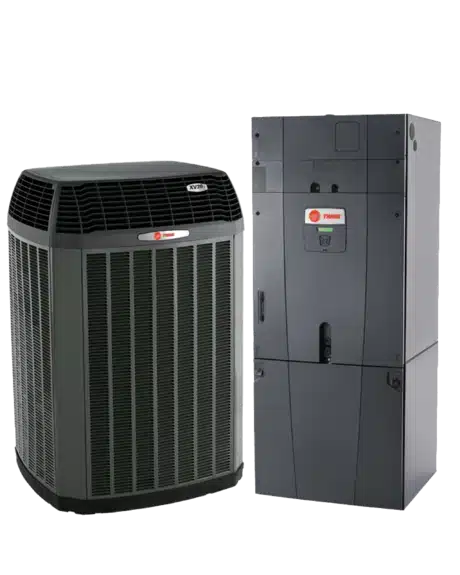
A heat pump provides both heating and cooling. In summer, it removes heat from inside the home and releases it outdoors. In winter, it reverses the refrigeration cycle and transfers available heat from outdoor air into the home.
Because a heat pump moves heat rather than creating it through combustion, it can operate efficiently during much of Georgia’s mild winter weather. ACS notes that heat pumps are well suited for Georgia homes because they can provide energy-efficient heating in winter and cooling during hot, humid summers.
Heat pumps often run longer than furnaces because they deliver a steadier, lower-temperature form of heat. Long runtime is not always a problem. However, a heat pump that cannot maintain the thermostat setting, frequently uses auxiliary heat, freezes up, makes unusual noises, or drives up energy bills should be evaluated by an HVAC technician.
How Furnaces Work
A furnace creates heat and sends warmed air through ductwork. Gas furnaces use combustion to create heat, while electric furnaces use electric heating elements. Furnaces generally deliver hotter air from vents and can respond quickly during sharp drops in temperature.
A gas furnace may be especially appealing for homeowners who have dependable natural-gas service and prefer a strong heat source during freezing weather. Electric furnaces may work well for homes without gas access, though their operating costs depend on electricity rates, insulation, thermostat habits, and system use.
Heat Pump and Furnace Comparison
Consideration |
Heat Pump |
Furnace |
|
Heating method |
Transfers heat from outdoor air indoors |
Produces heat through combustion or electric resistance |
|
Cooling capability |
Yes; also provides air conditioning |
No; requires separate cooling equipment |
|
Best use in North Georgia |
Efficient heating through much of the mild-to-moderate winter |
Strong heat output during colder weather and cold snaps |
|
Air from vents |
Warm, but often less hot than furnace air |
Usually hotter supply air |
|
Backup heat |
May use electric heat strips or a gas-furnace backup |
Typically does not use heat-pump-style auxiliary heat |
|
Key maintenance needs |
Coils, refrigerant performance, defrost, electrical components, airflow |
Ignition, burners or elements, blower, safety controls, airflow |
A dual-fuel system combines an electric heat pump with a gas furnace. The heat pump can handle cooling and milder-weather heating, while the furnace can take over when outdoor conditions are cold enough that gas heat is more practical. This setup may be a good fit for some North Georgia homes, but it requires correct system matching, thermostat controls, and professional installation.
Georgia Power’s available cost-comparison material shows that heating costs depend on the equipment type, water-heating fuel, system efficiency, local rates, and household usage. Historical estimates in its comparison guide showed different monthly costs for heat pumps, dual-fuel systems, and natural-gas furnace/air-conditioning combinations, underscoring why a personalized evaluation is more useful than assuming one option is always cheapest.
Does Georgia Need Heat Pumps?
Georgia does not “need” one heating system type for every home, but heat pumps can be an effective option for many homeowners because they offer year-round heating and cooling in a climate with a long cooling season and mostly moderate winter conditions.
A properly selected heat pump may be especially worth considering when:
- You need to replace both heating and cooling equipment.
- Your home does not have natural-gas service.
- You prefer an all-electric HVAC system.
- You want one primary system for air conditioning and heating.
- Your home has reasonably good insulation, ductwork, and air sealing.
- You want efficient heating during much of the winter.
- You are considering a ductless or zoned solution for an addition, garage conversion, or difficult-to-condition room.
However, homeowners should not select equipment based only on broad claims about efficiency. Heat pumps lose heating capacity as outdoor temperatures drop, and many standard systems rely more on supplemental electric resistance heat below roughly 30°F to 35°F. That supplemental operation can affect operating costs during cold periods. Cold-climate heat-pump models can maintain stronger heating output in lower temperatures, while dual-fuel systems may use a furnace as backup heat.
A qualified HVAC contractor can compare system options based on your home’s heating load, insulation, ductwork, electrical capacity, gas availability, existing equipment, utility costs, and comfort needs.
Best Heating System for Northeast Georgia
The “best” heating system is the one that is properly sized, correctly installed, maintained consistently, and suited to your home’s infrastructure and priorities. A high-efficiency system installed incorrectly or paired with leaky ducts may not deliver the comfort or savings you expect.
Common North Georgia heating options include:
- Gas furnace with central air conditioning: A traditional option for homes with natural-gas access that want strong furnace heat in winter and a dedicated air conditioner for summer.
- All-electric heat pump: Provides cooling and heating through one system and can be efficient during much of Georgia’s winter season.
- Dual-fuel system: Combines a heat pump with a gas furnace, allowing the system to use heat-pump operation in moderate weather and furnace heat during colder conditions.
- Electric furnace with central air: May fit homes without gas service, though operating costs should be considered carefully.
- Ductless mini-split heat pump: Can provide heating and cooling to targeted areas, home additions, bonus rooms, garages, or spaces where extending ductwork is difficult.
Before choosing replacement equipment, request a professional load calculation and system assessment. The contractor should evaluate square footage, insulation, window quality, ductwork, air leakage, ceiling height, sun exposure, occupancy, home layout, and local weather conditions.
Do not assume that installing a larger system will create better comfort. Oversized equipment may cycle too frequently, reduce humidity control, increase wear, and create uneven temperatures. Undersized equipment may run for long periods and struggle to keep up during the coldest weather.
Georgia Winter Energy Costs
Winter heating bills are affected by more than outdoor temperatures. The cost to heat a North Georgia home can vary based on:
- Furnace, heat-pump, or dual-fuel equipment type
- System efficiency and age
- Natural-gas, propane, and electricity rates
- Home size and construction
- Insulation and air-sealing quality
- Duct leakage and duct location
- Thermostat settings and occupancy schedules
- Outdoor temperatures and length of cold weather
- Use of auxiliary or emergency heat
- Filter condition and airflow
- Heating-system maintenance and repair needs
Watch for sudden changes rather than focusing only on the total bill. If heating costs rise sharply despite similar weather and household habits, your system may be using auxiliary heat more often, experiencing airflow restrictions, struggling with a mechanical issue, or working against significant heat loss.
Georgia Power offers certain energy-efficiency programs that may include rebates for eligible improvements such as attic insulation, air sealing, duct sealing, heat pumps, and home-energy assessments. Availability, qualifications, funding, and incentive amounts can change, so homeowners should review the current program terms before making decisions.
Preparing Your HVAC for North Georgia Winters
The best time to prepare a heating system is before the first cold spell. Seasonal maintenance can help identify worn components, restricted airflow, electrical issues, drainage problems, heat-pump defrost concerns, and furnace safety issues before they become a no-heat emergency.
Schedule professional heating maintenance before winter. A furnace tune-up may include inspecting ignition components, burners, flame sensing, safety switches, electrical connections, blower performance, filters, airflow, venting, and condensate drainage when applicable.
Heat-pump maintenance can include testing thermostat communication, checking filters and coils, assessing blower speed and static pressure, inspecting electrical components, evaluating refrigerant-related performance, examining drainage, and verifying defrost operation. ACS states that its technicians inspect filters and coils, check blower speed and static pressure, verify thermostat calls, and evaluate refrigerant pressures as part of heat-pump diagnostics.
Homeowners can also prepare by:
- Replacing a dirty HVAC filter.
- Keeping supply vents and return grilles open and unobstructed.
- Clearing leaves, grass, branches, and debris from around the outdoor heat-pump unit.
- Checking thermostat settings and replacing batteries if necessary.
- Testing smoke and carbon monoxide alarms according to manufacturer instructions.
- Keeping storage items and combustible materials away from furnaces.
- Sealing obvious air leaks around doors and windows.
- Scheduling repair promptly when the system makes unusual noises, short cycles, blows cool air, or has trouble maintaining temperature.
Preparing Before the First Freeze
A freeze can place added stress on HVAC systems, plumbing, and the building envelope. Before North Georgia’s first freeze, take time to prepare your home and heating equipment.
HVAC Checklist
- Run your furnace or heat pump before cold weather arrives to confirm it starts, heats, and cycles normally.
- Replace or inspect the air filter.
- Confirm thermostat schedules are set for the heating season.
- Make sure supply vents and return grilles are open.
- Remove debris from around the outdoor heat-pump unit.
- Check that the outdoor unit has clear airflow and is not covered.
- Listen for unusual noises and note odors that persist after initial seasonal operation.
- Schedule service if the furnace struggles to start, a heat pump freezes, or heat is weak or uneven.
Home Comfort Checklist
- Install or replace weatherstripping around drafty exterior doors.
- Use door sweeps to limit drafts under exterior doors.
- Seal accessible gaps around windows, plumbing penetrations, and utility openings using suitable materials.
- Inspect attic access points for air leaks and insulation gaps.
- Close fireplace dampers when the fireplace is not in use.
- Disconnect garden hoses and protect exposed plumbing as appropriate.
- Know where your main water shutoff is located in case of a plumbing emergency.
Safety Checklist
- Test smoke alarms and carbon monoxide alarms.
- Replace batteries if required by the manufacturer.
- Keep the area around a furnace clear of boxes, paint, gasoline, cleaning chemicals, and combustible storage.
- Do not block furnace vents, flues, combustion-air openings, or outdoor heat-pump airflow.
- Make sure household members know not to use ovens, grills, generators, or unvented combustion appliances to heat indoor spaces.
If you smell gas, hear a carbon monoxide alarm, see smoke, or suspect a combustion-related issue, leave the home and contact emergency services or the gas utility from outside. Do not try to restart the furnace or investigate a suspected gas leak yourself.
Humidity During Georgia Winters
Indoor humidity can influence comfort during winter. Even when the thermostat is set correctly, dry air may make the home feel cooler, irritate skin and sinuses, contribute to static electricity, and affect wood flooring or furnishings. On the other hand, excessive indoor humidity can contribute to window condensation, musty odors, mold risks, and moisture problems.
A comfortable winter humidity level is often around 30% to 50%, but the right target depends on outdoor temperature, home construction, ventilation, and window quality. During colder weather, reducing indoor humidity may be necessary to limit condensation on windows and other cold surfaces.
Ways to manage winter humidity include:
- Use a hygrometer to monitor indoor humidity rather than guessing.
- Avoid overusing portable humidifiers.
- Keep bathroom and kitchen exhaust fans working properly.
- Address plumbing leaks and moisture sources promptly.
- Use a whole-home humidifier only when appropriate for your home and HVAC system.
- Consult an HVAC professional if humidity problems are persistent or paired with comfort concerns.
A properly operating heat pump or furnace, balanced airflow, duct condition, insulation, and air sealing can all influence how comfortable your home feels during Georgia’s winter weather.
North Georgia Heating Resources
Explore these related resources for more detailed information about heating equipment, winter preparation, comfort, and energy use in Northeast Georgia:
- Heating Your Home in North Georgia
- Heat Pumps vs Furnaces in Georgia
- Georgia Winter Energy Costs
- Preparing Your HVAC for North Georgia Winters
- Does Georgia Need Heat Pumps?
- Best Heating System for Northeast Georgia
- Humidity During Georgia Winters
- Preparing Before The First Freeze in Georgia
Schedule Heating Service in Gainesville, GA
North Georgia winters may be moderate overall, but dependable heating still matters when temperatures drop. Whether you need furnace repair, heat-pump service, seasonal maintenance, a replacement consultation, or help improving uneven temperatures and energy use, Air Conditioning Services is ready to help.
Call Air Conditioning Services at 770-532-0731 today to schedule heating service in Gainesville, GA, and throughout Northeast Georgia.
Open 7AM - 5PM Monday-Friday
Quick Contact Form
Make a Payment

Our Service Area
We have happy customers all around the Northeast Georgia area. We’ve provided HVAC services for homes and businesses in:
· Hall County: Clermont, Flowery Branch, Gainesville, Lula, & Oakwood
· Habersham County: Alto, Baldwin, Clarkesville, Cornelia, Demorest, Mount Airy & Tallulah Falls
· Gwinnett County: Dacula, Sugar Hill, Buford, Lawrenceville
· Jackson County: Pendergrass, Arcade, Braselton, Commerce, Hoschton, Jefferson, Maysville, Nicholson & Talmo
· Stephens County: Martin & Toccoa
· Dawson County: Dawsonville
· Lumpkin County: Dahlonega
· Forsyth County: Cumming
Contact us today when you need HVAC services you can trust.