Electric Furnaces Explained: Operation, Costs, and When They Make Sense
Learn how electric furnaces generate heat, signs something’s wrong, simple homeowner checks, what pros do during service, and when upgrading is the better investment. Call ACS today.

Not Applicable: Page focuses on education, not emergency repair
When an electric furnace can’t keep up, comfort drops fast. These systems rely on a coordinated sequence of electrical components—thermostat signal, contactor/relay, sequencer, heating elements, high-limit safeties, and the blower motor—to deliver steady warmth. If any link fails or drifts out of spec, you may experience cool air, breaker trips, short cycling, or no operation at all.
Homes and businesses in Gainesville and Northeast Georgia need dependable heat during damp, chilly spells. Regional conditions like heavy pollen, dust, and frequent stop-start operation can stress air handlers, clog filters, and increase static pressure—pushing safety limits and shutting systems down. Prompt troubleshooting reduces the risk of burnt elements, overheated wiring, or damaged control boards.
Air Conditioning Services (ACS) provides complete electric furnace repair, maintenance, installation, and replacement for residential and commercial properties. Our certified technicians work on all major brands and models, explain issues in plain language, present clear choices, and deliver code-compliant, manufacturer-aligned repairs. ACS is licensed, insured, and bonded, and our work is backed by a 100% guarantee.
Whether your electric furnace won’t start, trips the breaker, cycles on and off, or makes unusual sounds or smells, this guide covers what to check first, what to expect from a service visit, typical cost drivers, and how to decide between repairing and replacing.
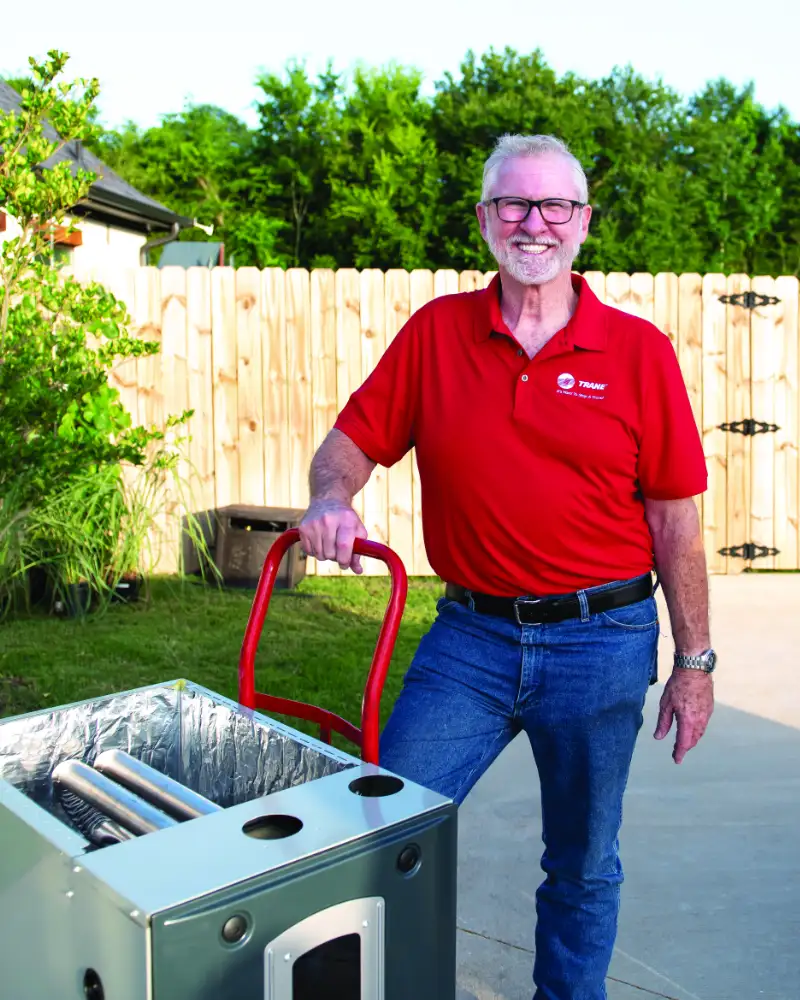
Electric Resistance Heating: Elements, Blower Motor, and Air Handler
An electric furnace is a forced-air heater that uses electric resistance to create warmth—no combustion or flue required. When the thermostat calls for heat, the control board or integrated relay sends power to the sequencer. The sequencer staggers on the heating elements (measured in kilowatts) to avoid a large inrush of current. As the air in the cabinet warms, the blower motor moves air across the elements and through your ducts, distributing heat to each room.
Because there’s no burner or exhaust, electric furnaces don’t vent outdoors. Instead, the focus is on proper airflow and electrical safety. The system monitors temperature with limit controls; if airflow is restricted or an element overheats, a safety opens to shut the elements down. Control boards can display error codes when a relay, sequencer, limit, or sensor is out of range.
Key safeties include the high-limit switch (prevents overheating) and sometimes a manual reset limit that trips during severe overtemperature events. High static pressure from a clogged filter or duct restriction can overheat elements, trip safeties, and stop heat until the fault clears.
Most electric furnaces include these core components:
- Heating elements: Convert electrical energy directly to heat via resistance coils, typically arranged in 5–20 kW banks.
- Sequencer/relays and contactor: Stage elements on and off to manage current draw and provide even heating.
- Control board: Coordinates calls for heat, blower timing, safeties, and diagnostics.
- Blower motor and capacitor/ECM module: Drive airflow across elements; weak airflow leads to overheating and limit trips.
- Thermostat: Signals heat demand and controls staging or fan settings.
- Ductwork and vents: Deliver warmed air to rooms and return cooler air to the furnace for reheating.
- Air filter: Protects components and maintains airflow; restrictions are a leading cause of nuisance shutdowns.
Because electric furnaces involve high voltage, high amperage, and heat-producing components, professional service protects safety, efficiency, and long-term reliability.
Power Needs: kW sizing, ampacity, and breaker panel requirements
Knowing typical electric furnace behaviors helps you spot issues early and prevent bigger repairs.
No Heat or Only Cool Air: Electric-Specific Causes
If the blower runs but air stays cool, suspect failed or open heating elements, a tripped high-limit, a faulty sequencer/relay, or a control board issue. If nothing runs, check the thermostat, tripped breaker, blown fuse, service disconnect, or a door switch not engaged.
Diagnostic lights or error codes can indicate problems like open limits, failed relays, or motor faults. Restricted airflow from a dirty filter or collapsed return can cause overheating, tripping safeties and leaving only the fan operating.
Short cycling—starting then stopping quickly—often points to high static pressure, weak blower motor or capacitor, undersized return air, or intermittent sequencer failure that drops elements offline and triggers limit trips.
Smells and Sounds: What’s Normal vs. Problematic
A mild dusty odor during the first heat cycle of the season is common as elements burn off dust. Persistent electrical, hot plastic, or metallic smells are not normal and may indicate overheated wiring, an element grounding out, or motor windings failing—turn the system off and call ACS.
Banging or rattling can be loose panels or a failing blower wheel. Whistling suggests filter restriction or duct leakage. A high-pitched squeal often signals motor or bearing wear. Address noises early to avoid collateral damage to elements or the control board.
Frequent breaker trips, visible arcing, or melted insulation require immediate professional attention to correct wiring, breaker sizing, or component failure.
Why Hire a Pro for Load, Breaker, and Ductwork Checks
Expert attention restores dependable heat and protects your equipment investment.
- Accurate diagnostics: Certified techs verify voltage, amp draw, element resistance (ohms), sequencer timing, blower performance, and safety limits to pinpoint root causes.
- Electrical safety: Proper breaker sizing, wire gauge checks, and tight connections reduce overheating risks and meet code.
- Lower lifetime costs: Early fixes prevent burnt elements, damaged boards, or motors—repairs that are more expensive when deferred.
- Even, consistent warmth: Correct staging, restored airflow, and calibrated controls prevent short cycling and temperature swings.
- OEM parts and warranty protection: Manufacturer-approved components help preserve warranties and reliability.
- Clear options: If operating costs or repair expenses approach replacement value, you’ll get transparent guidance on right-sized kW, duct needs, and potential utility incentives.
The best path depends on system age, repair history, element condition, panel capacity, local electricity rates, and your comfort goals. ACS will review findings so you can decide with confidence.
Quick Checks: Thermostat, breakers, filters, and reset switches
Try these simple steps first to save time and possibly avoid a service visit:
• Set the thermostat to Heat and raise the setpoint 3–5 degrees. Replace thermostat batteries if applicable.
• Confirm the furnace switch, service disconnect, and breaker are ON; ensure the front panel is secured to engage the door switch.
• Replace a dirty air filter; restricted airflow commonly trips high-limit safeties and causes short cycling.
• Make sure supply and return vents are open and unblocked.
• If the breaker trips again immediately, turn the unit OFF and call ACS—there may be an electrical short or failed element.
If these steps don’t restore heat, ACS can dispatch a technician. We also offer routine Furnace Maintenance and Emergency Heating Repair when urgent service is needed.
Components and Failures: Elements, sequencers, relays, blower, safeties
When an electric furnace struggles in cold weather, dependable heat depends on clean airflow, healthy heating elements, proper voltage, and responsive controls. Because these systems rely on high-amperage electric resistance coils and safety limits, even a small fault can cause no heat, lukewarm air, tripped breakers, or rising utility costs if not corrected quickly.
Duplicate removed
If the blower is running but the supply air feels cool, start with the basics: confirm the thermostat is in “heat,” set above room temperature, and the fan is on “auto.” Replace a clogged filter and make sure supply and return vents are open and unobstructed.
Persistent issues in electric furnaces often trace to a failed heating element, open high-limit switch, sequencer failure, burnt wiring at element terminals, a weak blower capacitor, or a tripped breaker at the main panel or internal fuse. A thermostat or control board fault can also prevent element staging. An ACS technician can test coil continuity, verify voltage, check sequencer timing, and diagnose why elements aren’t energizing or air is not reaching target temperature.
Short Cycling and High-Limit Trips in Electric Units
Short cycling in an electric furnace occurs when the unit energizes, then stops before completing a full heating cycle. This can stress relays, sequencers, and elements, and it often leaves rooms unevenly heated. Typical causes include restricted airflow from a dirty filter, overheating that trips the high-limit switch, undersized return ducts, improper breaker sizing, weak blower motor/capacitor, or a failing control board or thermostat.
Because repeated high-limit trips can damage elements and wiring, schedule professional diagnosis if replacing the filter and opening vents doesn’t resolve the issue.
Electrical or Burnt Odors: When to Shut Off Power
A brief dusty smell at first heat of the season is common as dust burns off heating elements. Ongoing burning, melting plastic, or electrical odors can indicate overheated wiring, a failing motor, or an element that is shorting to ground. Electric furnaces do not use gas, so sulfur or “rotten egg” smells typically originate elsewhere in the home, not the furnace.
Musty odors can be linked to ductwork or filtration issues, especially in systems that share an air handler with cooling. A licensed ACS technician should investigate any recurring odor, particularly if accompanied by breaker trips, weak heat, or frequent safety shutdowns.
Noises: Blower, bearings, and duct expansion
Electric furnaces generally run quieter than combustion appliances, producing mainly blower and relay/sequencer clicks. New or worsening sounds—squealing, grinding, rattling panels, buzzing relays, or humming under load—can signal blower motor bearing wear, a failing capacitor, loose sheet metal, or electrical component problems.
Call for service promptly if noise changes occur along with breaker trips, hot electrical smells, or intermittent heat.
Airflow Issues: Filters, coils, ducts, and blower speed
Rooms that never quite warm up may suffer from reduced airflow. Common culprits include a clogged filter, blocked returns, closed or obstructed supply registers, duct leaks, a dirty blower wheel, a failing blower motor or capacitor, or a dirty evaporator coil when the furnace shares ductwork with an AC system.
Begin by replacing the filter and opening all vents. If airflow stays weak or uneven, ACS can measure static pressure, evaluate blower performance, and locate duct restrictions or leakage.
Breaker Trips and Overheats: Diagnosing safety cutouts
Electric furnaces rely on temperature limits and sequencers to protect components. Repeated high-limit trips, thermal fuse opens at the elements, or frequent breaker tripping typically point to airflow restrictions, incorrect element staging, wiring faults, or elements overheating due to dust accumulation on the coils.
Do not bypass safety devices or reset breakers repeatedly. Have ACS inspect wiring, elements, and controls to correct the root cause before further operation.
Maintenance for Electric Furnaces: Filters, coils, and connections
Regular care keeps an electric furnace running efficiently and reliably. Because heat output depends on clean airflow, intact heating elements, and proper voltage and staging, a thorough checkup reduces winter breakdowns and helps control operating costs.
An electric furnace maintenance visit may include inspection and testing of applicable components, including:
- Thermostat operation, heat call response, staging, and calibration.
- Air filter condition, blower wheel cleanliness, static pressure, and overall airflow.
- Heating elements: resistance/continuity testing, terminal inspection, and condition of insulating supports.
- Sequencer and relays: timing verification and contact integrity under load.
- Electrical connections, capacitors, relays, and control board diagnostics.
- Blower motor amperage draw, bearings, and belt (if applicable) condition.
- Condensate pan/coil cleanliness when the air handler shares cooling components.
- High-limit and thermal cutout safety testing and documentation.
- Breaker sizing review, wire condition, and visible cabinet/duct integrity.
- Ductwork-related comfort or airflow concerns.
The exact checklist depends on your model and manufacturer guidance. While maintenance can’t prevent every failure, it helps catch issues—like a weak blower capacitor, loose high-voltage connections, or a degrading element—before they cause a no-heat call.
Between appointments, homeowners can replace filters on schedule, keep returns unblocked, listen for new noises, watch for short cycling, and note changes in utility bills or room-to-room temperatures.
Replace vs. Keep: Operating cost, lifespan, and heat pump hybrids
Many electric furnace problems are repairable, including failed sequencers or relays, open elements, high-limit trips, blower motors/capacitors, thermostat faults, and wiring or terminal damage. Prompt diagnostics—checking element resistance, verifying voltage and amperage, and confirming airflow—helps pinpoint the failure and shorten downtime.
Replacement may be the better choice when the system has repeated element failures due to age, chronic breaker trips from deteriorating wiring, obsolete parts, excessive operating costs relative to your utility rates, or when the unit is nearing the end of its service life. It’s also worth discussing if you’re remodeling, adding finished space, or seeking quieter, more consistent comfort.
Proper sizing and electrical capacity are essential. An undersized furnace may run continuously without reaching setpoint, while an oversized unit can short cycle and waste energy. A qualified contractor should assess square footage, insulation, window area, duct design, available breaker capacity and wire gauge, and comfort goals before recommending equipment.
ACS provides heating and air system installation and helps customers compare electric furnace sizes and models that fit their homes or offices, electrical panels, and budgets. The team emphasizes clear, pressure-free recommendations so you can make informed decisions.
Where Electric Furnaces Fit: Climate, rates, and home setup
If your electric furnace won’t heat, short cycles, trips a breaker, or needs a seasonal checkup, fast service safeguards comfort and can prevent larger repairs. Emergency heating repair is available when heat can’t wait.
Air Conditioning Services provides residential and commercial HVAC service throughout Gainesville and Northeast Georgia. ACS has generations of experience installing, maintaining, and repairing heating and air systems of all brands. The company offers flexible scheduling, employs highly trained and background-checked HVAC contractors, and backs its products and services with a 100% guarantee.
ACS serves customers across Hall, Habersham, Gwinnett, Jackson, Stephens, Dawson, Lumpkin, and Forsyth counties, including Gainesville, Flowery Branch, Oakwood, Clermont, Lula, Buford, Braselton, Dawsonville, Dahlonega, and Cumming.
For dependable electric furnace repair, maintenance, installation, or replacement guidance, call Air Conditioning Services at 770-532-0731.
Regional Fit: Climate and utility rates guide choices
An electric furnace combines high-wattage heating elements, sequencers and relays, a blower assembly, and electronic controls—all of which must work in sync with your home’s electrical panel and duct system. Professional service ensures accurate diagnostics and that repairs, maintenance, or installation are completed to meet performance and electrical safety standards.
Air Conditioning Services offers residential and commercial HVAC support across Northeast Georgia, including Gainesville, Flowery Branch, Oakwood, Clermont, Lula, Buford, Braselton, Dawsonville, Dahlonega, Cumming, and surrounding communities. ACS technicians are highly trained, background-checked, and experienced in installing, maintaining, and repairing heating and air systems of all brands.
If your electric furnace is short cycling, producing electrical odors, making new noises, or failing to heat consistently, call Air Conditioning Services at 770-532-0731. ACS will evaluate the system, explain repair options and timelines, and help restore reliable heat to your home or business.
Open 7AM - 5PM Monday-Friday
Quick Contact Form
Make a Payment

Our Service Area
We have happy customers all around the Northeast Georgia area. We’ve provided HVAC services for homes and businesses in:
· Hall County: Clermont, Flowery Branch, Gainesville, Lula, & Oakwood
· Habersham County: Alto, Baldwin, Clarkesville, Cornelia, Demorest, Mount Airy & Tallulah Falls
· Gwinnett County: Dacula, Sugar Hill, Buford, Lawrenceville
· Jackson County: Pendergrass, Arcade, Braselton, Commerce, Hoschton, Jefferson, Maysville, Nicholson & Talmo
· Stephens County: Martin & Toccoa
· Dawson County: Dawsonville
· Lumpkin County: Dahlonega
· Forsyth County: Cumming
Contact us today when you need HVAC services you can trust.