


Heat Pump Myths | Evidence‑Based Facts You Can Trust
Confused by conflicting information about heat pumps? You’re not alone. This guide separates myth from reality with clear explanations, real‑world performance data, and practical tips. Learn what modern heat pumps can actually do in cold weather, how their operating costs compare to gas, what comfort really feels like with inverter systems, and when to call Air Conditioning Services (ACS) for expert guidance rooted in facts—not folklore.

Common Heat Pump Myths That Won’t Go Away
Because heat pumps both heat and cool, they’re often judged by outdated assumptions. Misconceptions spread quickly—especially about winter performance, noise, and when to use auxiliary or emergency heat. Modern designs with inverter compressors, variable fans, and smart controls perform very differently than older single‑stage units, so yesterday’s rules don’t apply.
In Gainesville and across Northeast Georgia, we routinely hear the same claims repeated: that heat pumps can’t heat in a cold snap, that defrost means something is broken, that they always cost more to run than gas, or that the airflow will feel drafty. These beliefs ignore cold‑climate ratings, improved turn‑down ratios, and comfort features designed for steady, quiet operation. Evaluating a system requires looking at load matching, coil temperature, and control logic—not just the thermostat display.
Air Conditioning Services (ACS) helps homeowners and businesses cut through the noise. Our licensed technicians explain how heat pumps actually work, what performance labels like COP, HSPF2, and sound ratings (dBA) mean, and how proper setup influences comfort and bills. We back our recommendations with transparent reasoning and a 100% guarantee, so you can make decisions confidently.
Below, we tackle the top myths with plain‑English facts, quick checks you can do, and when it’s worth getting ACS involved for a professional assessment tailored to your home and climate.

Myth: Heat Pumps Don’t Work in Cold Weather
Fact: Cold‑climate heat pumps are engineered to heat effectively well below freezing. Look for specifications such as a cold‑climate rating and listed capacity at 5°F, plus an inverter compressor that maintains output by ramping speed. Unlike older models that struggled as outdoor temperatures fell, today’s systems use advanced refrigerants, larger coils, and intelligent controls to harvest low‑grade heat efficiently.
Performance metric to know: COP (coefficient of performance) reflects how many units of heat you get per unit of electricity. Many modern units sustain a COP above 2 in subfreezing weather—meaning they deliver more than twice the heat per kWh compared to electric resistance heat. Proper sizing, correct charge, and clean airflow preserve that efficiency and comfort when temperatures dip.
Red flags that prompt a professional check include constant auxiliary heat in mild cold, long run times without temperature rise, or wide comfort swings. These usually indicate setup issues—airflow restrictions, incorrect thermostat configuration, or control calibration—rather than a fundamental limit of heat pump technology.
Key concepts ACS clarifies include:
- Cold‑climate rating: Verifies tested output and efficiency at low temperatures—critical for realistic expectations.
- Inverter compressor: Modulates capacity to match load, improving comfort and efficiency in all seasons.
- Turn‑down ratio: The ability to run at very low speeds for steady heat with fewer temperature swings.
- Load matching: Right‑sized equipment and ducts ensure the system meets winter design temperatures without relying on strips.
- Aux heat strategy: Correct staging limits costly resistance heat to rare peaks, not everyday operation.
With proper selection and commissioning, a heat pump can be a dependable primary heat source—even when frost is on the ground.
Mythbusting Across the Seasons
Understanding what’s normal behavior versus a problem prevents needless worry and expensive mistakes.
Myth: Defrost Means the Unit Is Broken
Reality: In heating mode, the outdoor coil runs cold and naturally gathers frost in damp weather. The system periodically enters a defrost cycle to melt that frost—fans may pause, you might hear a whoosh, and brief steam can appear. That’s by design. Warning signs are different: ice that never clears, repeated defrosts minutes apart, or the outdoor fan never engaging. Those point to a sensor, defrost board, or airflow issue—not the concept of defrost itself.
ACS verifies sensor placement, confirms the defrost algorithm, checks refrigerant conditions, and ensures the outdoor fan and reversing valve operate correctly so defrost remains efficient and uneventful.
Comfort tip: A properly tuned system returns to steady heating quickly after defrost, maintaining even room temperatures without frequent auxiliary heat.
Myth: Smart Thermostats Always Save Money
Reality: Savings depend on correct configuration for heat pumps. Aggressive setbacks can force auxiliary heat to engage during recovery, erasing efficiency gains. Features like heat pump balance, adaptive recovery, and lockouts for electric strips must be enabled thoughtfully. A well‑matched control paired with an inverter system supports gentle setpoint changes and continuous, efficient operation.
ACS helps you choose and configure controls to match your equipment, duct design, and comfort goals—so smart actually means smarter, not costlier.
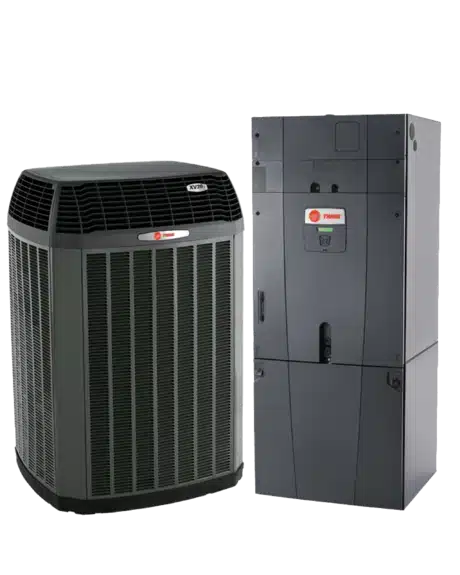
More Myths: Costs, Comfort, Noise, and Emergency Heat
Myth: Heat pumps are always more expensive to run than gas. Fact: Operating cost depends on your electric and gas rates, equipment efficiency, and how often auxiliary heat runs. Comparing COP to a furnace’s AFUE reveals that in many regions—and during most of the season—heat pumps deliver more heat per dollar, especially with inverter systems that modulate output. ACS can evaluate local utility rates and expected runtime to give you a realistic cost picture.
- Myth: Poor air delivery and comfort: Modern variable‑speed blowers and proper duct design provide steady, gentle airflow and tighter temperature control than on/off equipment. Drafty rooms typically indicate duct leaks, high static pressure, or mis‑sizing—design issues, not a heat pump limitation.
- Myth: Heat pumps are noisy: Look at manufacturer sound ratings (dBA), compressor isolation, and low‑speed operation. Inverter units often run quieter than many traditional condensers. Unusual sounds suggest a service need; normal whooshing during defrost isn’t a fault.
- Myth: Use emergency heat in every cold snap: Emergency heat bypasses the outdoor unit and forces resistance or fossil backup only. It’s intended for outages or failures, not routine cold weather. Let the heat pump work; use auxiliary heat automatically when properly staged, and reserve emergency mode for true emergencies.
- Myth: Defrost wastes energy: Brief defrost cycles protect efficiency by keeping the coil clear. Excessive ice is inefficient, but a normal, periodic defrost is part of how heat pumps maintain performance.
- Myth: All thermostats work the same: Heat pump‑aware controls with strip lockouts and balance points can cut unnecessary auxiliary heat, improving comfort and costs.
Takeaway: The right equipment, correct setup, and educated operation are what drive comfort and savings. If you have questions about your system’s low‑temp capacity, defrost behavior, or control strategy, ACS will provide clear answers and options based on standards and field data—not rumors.
Quick Facts, Sources, and When to Ask for Help
What to know: Cold‑climate ratings validate low‑temperature output; COP compares heat pump efficiency to resistance heat; AFUE measures furnace efficiency but isn’t directly comparable without considering energy prices; and dBA indicates sound level. Reputable resources include manufacturer engineering data, ENERGY STAR cold‑climate criteria, and AHRI performance directories. If something seems off—ice that won’t clear, AUX HEAT running constantly in mild weather, or discomfort despite long runtimes—schedule a check.
Practical step: Avoid large setpoint swings that can trigger auxiliary heat. Let inverter systems run steadily, keep filters clean, and ensure vents aren’t blocked—simple habits that support the facts, not the myths.
Emergency heat is a manual setting used when the outdoor unit is compromised. Use it only as advised by a technician—running on backup heat alone can be costly and masks underlying problems that ACS can resolve.
Heat Pump Myths: Symptoms People Misread and What’s Really Happening
Many persistent heat pump myths start with misread symptoms. Because heat pumps provide both heating and cooling, normal behaviors are often mistaken for failures, leading to unnecessary worry, higher bills, or avoidable service calls. Understanding how modern systems are designed to operate—especially inverter-driven models—helps separate fact from fiction and keeps comfort steady all year.
Myth: Heat Pumps Can’t Heat in Cold Weather
Assuming a heat pump won’t keep up when temperatures drop is outdated. Today’s cold-climate units carry low-ambient ratings and inverter compressors that maintain heat output well below freezing. If rooms feel cool or auxiliary heat seems to run frequently, the cause may be improper thermostat settings, airflow restrictions, poor duct design, or an older unit without a cold-climate rating—not that “heat pumps don’t work in winter.” Evaluate the thermostat configuration, filter and vent status, and whether the system’s capacity matches the home’s load before blaming the technology.
Air Conditioning Services (ACS) can verify the system’s cold-weather performance by checking charge, compressor staging, defrost sensors, and load matching. Our pros confirm the equipment’s listed cold-climate capability and recommend adjustments or upgrades that align with real-world winter conditions.
Myth: Heat Pumps Always Cost More to Run Than Gas
Comparing a heat pump’s efficiency (COP) to a furnace’s AFUE is not apples-to-apples. In many markets, a properly sized, well-installed heat pump can beat gas on operating cost, especially with an inverter compressor that modulates to meet demand and minimizes auxiliary heat. When bills are high, the issue is often duct leakage, low airflow, incorrect balance point, or an aggressive thermostat schedule—not an inherent cost penalty of the heat pump.
ACS assesses actual utility rates, system COP at local design temperatures, and air delivery efficiency to provide a fair cost picture. We measure static pressure, confirm refrigerant performance, and fine-tune control strategies so your system delivers the economy it was designed for.
Myth: Weak Air Means Poor Comfort
Gentle, continuous airflow is a feature of many high-efficiency heat pumps, enabling better mixing and steadier temperatures. That light “breeze” isn’t a comfort problem—it’s load matching. If supply air feels tepid or rooms won’t stabilize, the culprit may be undersized or restrictive ducts, a dirty filter, or incorrect fan settings rather than a flaw in heat pump technology.
ACS evaluates duct design, verifies target CFM, and checks blower performance to ensure quiet, even delivery. We help you differentiate normal, low-noise operation from actual airflow constraints that deserve a fix.
Myth: Frost Means the Unit Is Broken
Seeing frost on the outdoor coil in winter is normal. Heat pumps periodically enter a defrost cycle—often with a brief whoosh—as they clear ice and protect performance. Heavy, persistent icing or a coil encased in ice, however, signals a problem with sensors, the defrost board, outdoor fan, refrigerant charge, or airflow across the coil.
Avoid scraping or pouring hot water on the unit. If frost doesn’t clear within a typical defrost window, contact ACS. We test sensors, verify control timing, check fan operation and charge, and restore proper defrost function to safeguard the compressor.
Myth: Use Emergency Heat for Every Cold Snap
Emergency heat is for equipment malfunctions—not routine cold weather. Switching to EM Heat forces the system to bypass the heat pump and rely on backup heat only, which can spike energy use. If the home struggles in a cold snap, the real issue may be balance point settings, thermostat configuration, or insufficient capacity for the home’s load.
ACS confirms proper thermostat programming, ensures auxiliary heat engages automatically when appropriate, and adjusts control logic so your system uses the heat pump first and backup heat only when needed.
Myth: Heat Pumps Are Noisy
Modern heat pumps are engineered for quiet operation, with variable-speed compressors, soft starts, and low outdoor sound ratings (dBA). Normal sounds include fan movement and a momentary whoosh during reversing. If you hear persistent rattling, grinding, or loud buzzing, that’s a service issue—not a universal trait of heat pumps.
ACS checks mounting, vibration isolation, fan balance, and electrical components to resolve abnormal noise while preserving the low-sound performance today’s systems are built to deliver.
Myth: Any Smart Thermostat Will Always Save Money
Some smart thermostats use setback strategies that work great for furnaces but can trigger unnecessary auxiliary heat in heat pump homes, increasing costs. Savings depend on heat pump-aware controls, proper staging, and thoughtful schedules that avoid aggressive temperature swings.
ACS recommends and configures heat pump–compatible controls, optimizes staging and balance points, and educates homeowners on schedule settings that reduce bills without sacrificing comfort.
Stop the Myths Before They Start: Facts That Improve Performance
Misconceptions drive the wrong settings, unneeded mode changes, and costly habits. When a system is configured correctly, it heats in cold weather, defrosts as designed, and cools efficiently with steady, quiet airflow. Understanding the truth behind common myths helps you avoid wasted energy and needless service calls.
Key facts ACS can verify on your system include:
- Thermostat strategies that favor the heat pump first and limit unnecessary auxiliary heat.
- Air filter selection and airflow targets to maintain proper CFM for comfort and efficiency.
- Indoor and outdoor coil condition to support effective heat transfer.
- Refrigerant performance and real-world capacity at local design temperatures.
- Electrical integrity for reliable staging, modulation, and quiet starts.
- Blower and outdoor fan tuning to reduce noise and maintain stable delivery.
- Condensate management so cooling seasons don’t introduce humidity myths.
- Defrost control settings and sensor accuracy that prevent over- or under-defrosting.
- Insulated line sets and overall installation quality that influence seasonal performance.
- Duct design checks that address comfort complaints often blamed on the equipment.
Every home is different. ACS reviews your equipment specs, local design temps, and comfort goals to calibrate controls, confirm defrost operation, and validate airflow. We translate ratings like COP, HSPF, and sound dBA into clear expectations so you know what’s normal and what isn’t.
Homeowners can reinforce good outcomes by keeping filters on schedule, maintaining clearance around the outdoor unit, and monitoring for unusual behavior—like persistent icing, sudden noise changes, or unexpected auxiliary heat usage—and contacting ACS early if something seems off.
When Perception Meets Reality: Repair, Upgrade, or Optimize?
What looks like a “heat pump limitation” is often fixable: tightening ducts to reduce auxiliary heat calls, updating controls for better staging, replacing worn sensors that disrupt defrost, or correcting airflow that mutes comfort. ACS pinpoints the root cause so you’re not paying for the wrong solution.
Considering an upgrade? Cold-climate ratings, inverter turndown ratios, and verified sound levels (dBA) matter more than brand myths. If the system is undersized for design temperatures, uses outdated controls, or can’t meet comfort expectations, ACS will present options that reflect true performance, local utility rates, and your priorities without hype.
Proper sizing and duct compatibility are essential to debunk comfort myths—oversized equipment can short cycle and increase auxiliary heat use. Before recommending changes, ACS evaluates your home’s load, envelope, and air delivery to align equipment output with real demand.
ACS provides heating and air system installation and helps customers compare configurations and control strategies that deliver quiet, consistent comfort. We explain trade-offs clearly so you can decide with confidence.
Your Northeast Georgia Guide to Heat Pump Facts
Confused by conflicting advice about heat pumps, defrost cycles, or thermostat strategies? Clear guidance prevents costly mistakes and keeps comfort on track. ACS explains how your system should behave, what’s normal, and when service is warranted—no scare tactics, just evidence-based recommendations.
Air Conditioning Services provides residential and commercial HVAC service throughout Gainesville and Northeast Georgia. ACS has generations of experience installing, maintaining, and repairing heating and air systems of all brands. The company offers flexible scheduling, employs highly trained and background-checked HVAC contractors, and backs its products and services with a 100% guarantee.
ACS serves customers across Hall, Habersham, Gwinnett, Jackson, Stephens, Dawson, Lumpkin, and Forsyth counties, including Gainesville, Flowery Branch, Oakwood, Clermont, Lula, Buford, Braselton, Dawsonville, Dahlonega, and Cumming.
For dependable heat pump repair, maintenance, installation, or replacement guidance, call Air Conditioning Services at 770-532-0731.
Heat Pump Myths: Facts Northeast Georgia Homeowners Should Know
There’s a lot of confusion about how heat pumps actually work. From beliefs that they can’t heat in cold weather to worries about comfort and noise, misinformation can lead to poor decisions and higher utility bills. Understanding real heat pump performance—COP vs. AFUE, inverter compressor benefits, proper duct design, and what a defrost cycle really is—helps you get reliable comfort year-round.
Air Conditioning Services (ACS) serves homeowners and businesses across Northeast Georgia, including Gainesville, Flowery Branch, Oakwood, Clermont, Lula, Buford, Braselton, Dawsonville, Dahlonega, Cumming, and nearby areas. Our team clarifies heat pump technology with evidence, explains what ratings like HSPF2 and cold-climate certifications mean, and matches equipment to your home’s load for better comfort and efficiency.
If you’ve heard that heat pumps are always costly to run, can’t keep up on cold nights, or are too loud, call Air Conditioning Services at 770-532-0731. ACS will review your home’s heating and cooling load, evaluate ductwork and airflow, check defrost strategy and auxiliary heat settings, and provide clear, data-backed recommendations—so you can separate myth from fact and choose confidently.
Open 7AM - 5PM Monday-Friday
Quick Contact Form
Make a Payment

Our Service Area
We have happy customers all around the Northeast Georgia area. We’ve provided HVAC services for homes and businesses in:
· Hall County: Clermont, Flowery Branch, Gainesville, Lula, & Oakwood
· Habersham County: Alto, Baldwin, Clarkesville, Cornelia, Demorest, Mount Airy & Tallulah Falls
· Gwinnett County: Dacula, Sugar Hill, Buford, Lawrenceville
· Jackson County: Pendergrass, Arcade, Braselton, Commerce, Hoschton, Jefferson, Maysville, Nicholson & Talmo
· Stephens County: Martin & Toccoa
· Dawson County: Dawsonville
· Lumpkin County: Dahlonega
· Forsyth County: Cumming
Contact us today when you need HVAC services you can trust.