


Signs Your Heat Pump Needs Repair | ACS
Wondering if your heat pump is trying to tell you something? Learn the most common warning signs of trouble—unusual noises, poor heating or cooling, icing, short cycling, and more—and when to call Air Conditioning Services (ACS) in Gainesville, GA for expert diagnostics and repair.
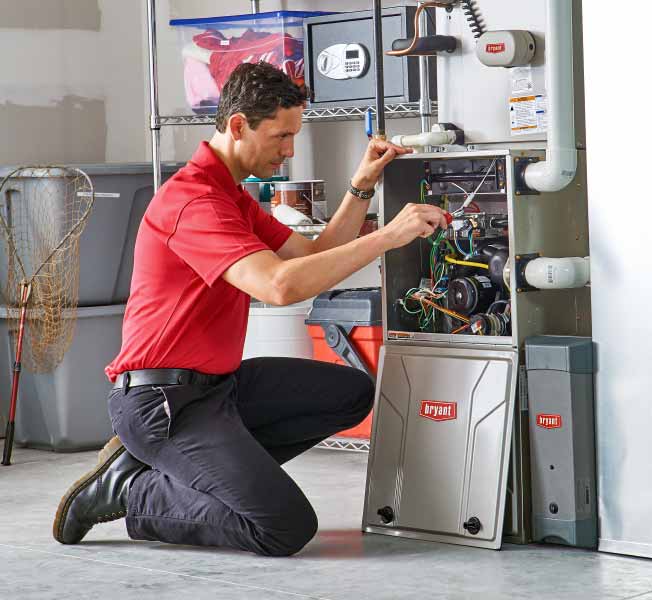
Common Signs Your Heat Pump Needs Repair
When a heat pump starts to struggle, it usually shows clear symptoms before failing outright. Pay attention to comfort, sound, and runtime changes—these often point to issues with refrigerant charge, airflow, electrical components, or controls that require a professional fix.
Homeowners in Gainesville, GA frequently notice problems such as weak heating or cooling, the outdoor unit icing over, loud operation, or frequent mode changes. Many of these concerns are repairable once the root cause is identified—like a failing capacitor, worn contactor, clogged filter, stuck reversing valve, or low refrigerant due to a leak.
Air Conditioning Services (ACS) helps homeowners and businesses interpret these symptoms and act before a minor issue becomes a major breakdown. We evaluate performance, test electrical and refrigerant components, and present repair options based on the system’s actual condition—not a one-size-fits-all sales pitch. Call 770-532-0731 to schedule heat pump service in Gainesville, GA, and Northeast Georgia. ACS provides heat pump repair, maintenance, installation, and replacement for residential and commercial customers.
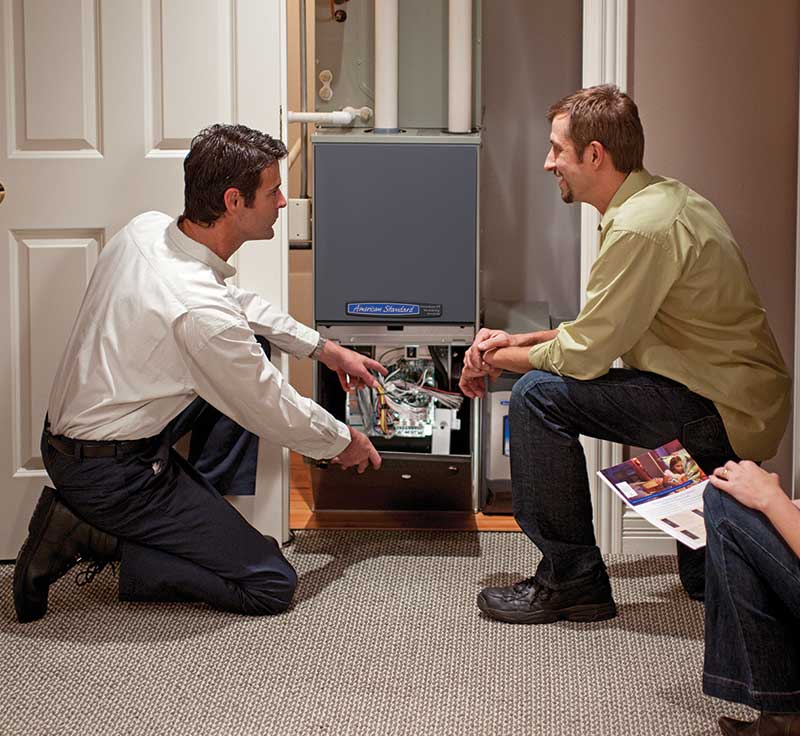
Start With an Accurate Diagnosis
Different heat pump faults can create the same symptom. Accurate testing prevents guesswork and ensures you fix the real problem the first time.
For example, a heat pump that won’t heat or cool properly could have:
- An incorrect thermostat mode or a thermostat communication issue
- A tripped breaker, blown fuse, or outdoor disconnect problem
- A dirty air filter or blocked return restricting airflow
- Low refrigerant from a leak causing coil icing and poor capacity
- A stuck or failed reversing valve preventing mode changes
- A clogged condensate drain triggering a float switch shutdown
- A defective defrost board, pressure switch, or control board
- A weak compressor capacitor, failing contactor, or fan motor issue
- A metering problem at the thermostatic expansion valve (TXV)
Many of these issues are repairable once located. A trained HVAC technician will measure refrigerant pressures and superheat/subcooling, verify airflow across the coil, test capacitors and contactors, and confirm proper defrost and thermostat operation to determine whether the fault is isolated or part of broader system decline.
Air Conditioning Services (ACS) services heat pumps across makes and models and can diagnose concerns such as insufficient output, frequent icing, loud operation, short cycling, and mode change failures.
When Professional Repair Is Likely Needed
Prompt service is smart when symptoms point to a correctable defect and further operation could risk additional damage or higher energy use.
You should schedule a repair if you notice:
- Insufficient heating or cooling even though the system runs.
- Ice buildup on the outdoor unit except during brief defrost cycles.
- New or escalating noises: grinding, buzzing, rattling, or whistling.
- Short cycling, frequent defrosting, or the system shutting off on safeties.
- Failure to switch modes between heat and cool or lukewarm air in either mode.
- Higher utility bills without a change in weather or setpoint.
- Water around the indoor air handler, wet filters, or drainage alarms.
- Outdoor fan running but compressor not starting, or vice versa.
These symptoms often trace back to components like capacitors, contactors, fan motors, the defrost board, or a reversing valve—parts that can frequently be repaired or replaced to restore normal operation and efficiency.
Addressing issues early also protects major components. For instance, running with low refrigerant can overheat the compressor and cause repeated lockouts. An ACS technician can locate leaks, correct charge, verify TXV performance, and ensure safe cycling before bigger problems develop.

Key Heat Pump Symptoms Explained
Understanding what you’re seeing and hearing helps you decide when to call for help and what to expect from a service visit.
Watch for these issues:
- Insufficient heating or cooling: Often tied to airflow restrictions, low refrigerant, a failing compressor capacitor, or a malfunctioning TXV.
- Icing or freezing on the outdoor unit: May indicate low charge, bad defrost sensor/board, restricted airflow, or a stuck outdoor fan motor.
- Unusual noises or vibration: Buzzing points to electrical issues like a weak capacitor; grinding or rattling can indicate failing bearings, loose panels, or a damaged fan blade.
- Frequent defrost cycles or short cycling: Can be caused by control board faults, sensor errors, restricted coils, or incorrect refrigerant charge.
- Reversing valve or mode change failures: System won’t switch between heat and cool, delivers lukewarm air, or gets stuck in one mode.
- High energy use without comfort: A sign of declining efficiency from dirty coils, motor problems, or compressor/refrigerant issues.
- Water leaks or drainage issues: A clogged condensate line, damaged pan, or improper slope can trigger safety shutdowns or water damage.
While typical repair costs vary by part and complexity, a quick assessment from ACS can clarify whether a targeted repair is the most cost-effective step. If your system is nearing the end of its lifespan, we can also outline replacement options—but most customers simply need a precise repair to restore comfort.
Compare Symptoms and Likely Causes
Symptom |
Possible repairable causes |
When to call ACS immediately |
|
Weak heating or cooling |
Dirty filter/coil, low refrigerant, TXV issue, weak capacitor |
Airflow is minimal, air is lukewarm, or auxiliary heat runs constantly |
|
Outdoor unit icing |
Defrost board/sensor fault, low charge, outdoor fan failure |
Ice persists after defrost or reaches the fan/compressor area |
|
New noises or vibration |
Loose panel, failing motor bearings, buzzing contactor/capacitor |
Loud grinding, screeching, or repeated tripping of breakers |
|
Short cycling/constant defrost |
Sensor error, control board fault, incorrect charge, restricted coil |
System shuts down quickly and won’t maintain setpoint |
|
Won’t switch modes |
Stuck reversing valve, thermostat or control signal issue |
System locked in heat or cool, or only produces lukewarm air |
|
High bills, low comfort |
Dirty coils, motor failing, refrigerant/compressor inefficiency |
Sudden spike in usage without weather change |
|
Water around air handler |
Clogged drain, damaged pan, float switch activation |
Water near electrical components or repeated drain shutdowns |
|
Outdoor fan/compressor mismatch |
Failed capacitor/contactor, motor issue, control fault |
Frequent breaker trips or overheating at the unit |
If you’re unsure whether a symptom requires urgent attention, call ACS for guidance. We can help you decide whether to shut the system off, schedule same-day service, or plan a convenient appointment. For broader considerations like long-term lifespan or full replacement, see our related pages—most issues on this page focus on repairable heat pump symptoms.
Safety Issues Can Change the Decision
Some heat pump symptoms call for immediate attention rather than watch-and-wait. If a technician finds hazards involving electrical components, overheated wiring, failing capacitors or contactors, or damage that could cause icing, flooding, or fire risk, they may advise powering the system down until repairs are completed.
Call emergency services from outside the home if you see smoke, hear arcing or popping from the unit, smell burning odors, or suspect an electrical hazard. Do not reset breakers repeatedly, open the service panel, spray water on the outdoor unit, or attempt DIY troubleshooting when there is a potential safety issue.
A repair-or-replace conversation may be appropriate if the technician identifies:
- Severely burnt or swollen capacitor, melted wiring, or damaged contactor
- Persistent refrigerant leaks leading to coil icing or compressor protection lockouts
- Shorted compressor or repeated breaker trips tied to the heat pump circuit
- Motor failures causing overheating, smoke, or excessive vibration
- Water intrusion or drainage problems that threaten electrical components
- Conditions that prevent the heat pump from operating safely
Your technician should clarify the findings, why they matter, whether the unit can be repaired reliably, and which solutions will restore safe, dependable operation.
Benefits of Timely Heat Pump Repair
Addressing warning signs early does more than fix today’s comfort issue. Prompt, professional repair can stabilize performance, protect the compressor, prevent recurring icing or short cycling, and help your system maintain efficiency across seasons.
Potential benefits include:
- Fewer emergency breakdowns caused by neglected parts
- More consistent heating and cooling without hot or cold spots
- Lower energy use compared with a system running with faults
- Healthier airflow and humidity control for year-round comfort
- Better compatibility and operation with modern thermostats, including auxiliary heat management
- Parts and labor warranty coverage on completed repairs
- Opportunities to correct prior installation or airflow issues affecting performance
Proper diagnosis is essential. Bigger equipment is not the cure for poor comfort—airflow restrictions, refrigerant charge errors, or a faulty thermostatic expansion valve can all mimic undersizing. A thorough assessment should evaluate ductwork, static pressure, refrigerant levels, reversing valve operation, and the building’s load to pinpoint the true cause.
ACS provides expert heat pump diagnostics and repair, helping you address issues early so your system runs safely and efficiently.
Questions to Ask Before Deciding
A trustworthy diagnosis gives you the clarity to act quickly and confidently. When you suspect your heat pump needs repair, ask your HVAC technician:
- Which component is failing—capacitor, contactor, fan motor, compressor, sensor, or control board—and what evidence confirms it?
- Will the proposed repair resolve the root cause (for example, low refrigerant causing coil icing, or airflow restriction causing short cycling)?
- How does the unit’s age and condition compare with typical service expectations for this model?
- Have repeated breakdowns or performance issues changed the value of continuing repairs?
- Are there any immediate safety or electrical concerns I should address now?
- What does the repair estimate include, and are parts and labor covered by warranty?
- If replacement is suggested, why is it preferable to repair in this specific case?
- Are there settings or thermostat updates that will improve mode changes and auxiliary heat control?
- Will repairs require adjustments to refrigerant charge, airflow, drainage, or defrost controls?
- What maintenance schedule will best protect the repaired components?
These questions keep the decision grounded in documented system condition, not just the frustration of poor comfort or rising utility bills.
Extend Your Heat Pump’s Service Life
Routine maintenance and fast attention to warning signs can prevent major failures. A seasonal tune-up typically includes checking refrigerant charge, inspecting electrical connections and capacitors, testing defrost board and sensors, measuring airflow and static pressure, cleaning coils and drain lines, verifying reversing valve operation, and confirming safe, stable cycling.
Homeowners can support reliable performance by:
- Replacing or cleaning filters on schedule to prevent airflow restriction
- Keeping supply registers and returns open and clear of furniture or rugs
- Clearing debris and vegetation 18–24 inches around the outdoor unit for proper airflow
- Scheduling service if you notice icing on the outdoor unit, unusual noises, short cycling, or mode-change failures
- Ensuring condensate drains are clear to prevent water leaks
- Arranging maintenance before peak heating and cooling seasons
ACS offers heat pump maintenance, repair, installation, and replacement services for Gainesville, GA, homes and businesses.
Schedule Heat Pump Service in Gainesville, GA
If you’re noticing signs your heat pump needs repair, Air Conditioning Services will provide straightforward answers and fast solutions. Our team will diagnose the issue, explain your options, and complete the work needed to restore safe, efficient comfort.
Call Air Conditioning Services at 770-532-0731 to schedule heat pump repair, maintenance, or replacement service in Gainesville, GA, and the surrounding Northeast Georgia area.
Open 7AM - 5PM Monday-Friday
Quick Contact Form
Make a Payment

Our Service Area
We have happy customers all around the Northeast Georgia area. We’ve provided HVAC services for homes and businesses in:
· Hall County: Clermont, Flowery Branch, Gainesville, Lula, & Oakwood
· Habersham County: Alto, Baldwin, Clarkesville, Cornelia, Demorest, Mount Airy & Tallulah Falls
· Gwinnett County: Dacula, Sugar Hill, Buford, Lawrenceville
· Jackson County: Pendergrass, Arcade, Braselton, Commerce, Hoschton, Jefferson, Maysville, Nicholson & Talmo
· Stephens County: Martin & Toccoa
· Dawson County: Dawsonville
· Lumpkin County: Dahlonega
· Forsyth County: Cumming
Contact us today when you need HVAC services you can trust.