Signs Your Furnace Is About To Fail | ACS
Wondering if your furnace is nearing a breakdown? Learn the red flags—unreliable starts, short cycling, soot, odd noises, and rising bills—so you can act before you lose heat. Call Air Conditioning Services in Gainesville, GA today.
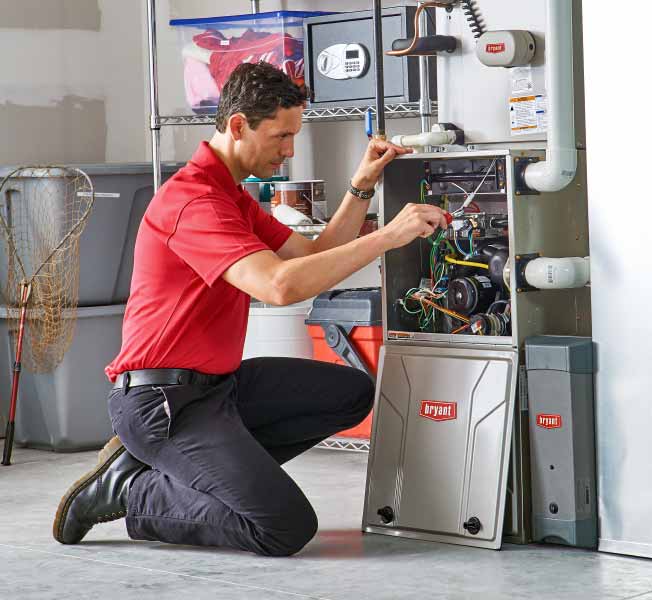
Key Warning Signs Your Furnace Is Slipping
Most furnaces don’t quit without a warning. They leave a trail of clues that something critical is wearing out or becoming unsafe. Recognizing these symptoms early can prevent a no-heat emergency and protect your family from safety risks like carbon monoxide.
Homeowners in Gainesville, GA often notice late-stage signs such as repeated ignition failures, short cycling from overheating, yellow or flickering flames, soot around registers, and rapidly increasing repair needs. These issues point to failing components—like an igniter, inducer motor, flame sensor, or limit switch—or to deeper problems such as a cracked heat exchanger or restricted airflow.
Air Conditioning Services helps homeowners and businesses interpret these warning signals and respond appropriately. Our technicians evaluate combustion quality, safety controls, airflow, and electrical operation to pinpoint what’s failing and why. Call 770-532-0731 to schedule furnace service in Gainesville, GA, and Northeast Georgia. ACS provides furnace repair, maintenance, installation, and replacement for residential and commercial customers.
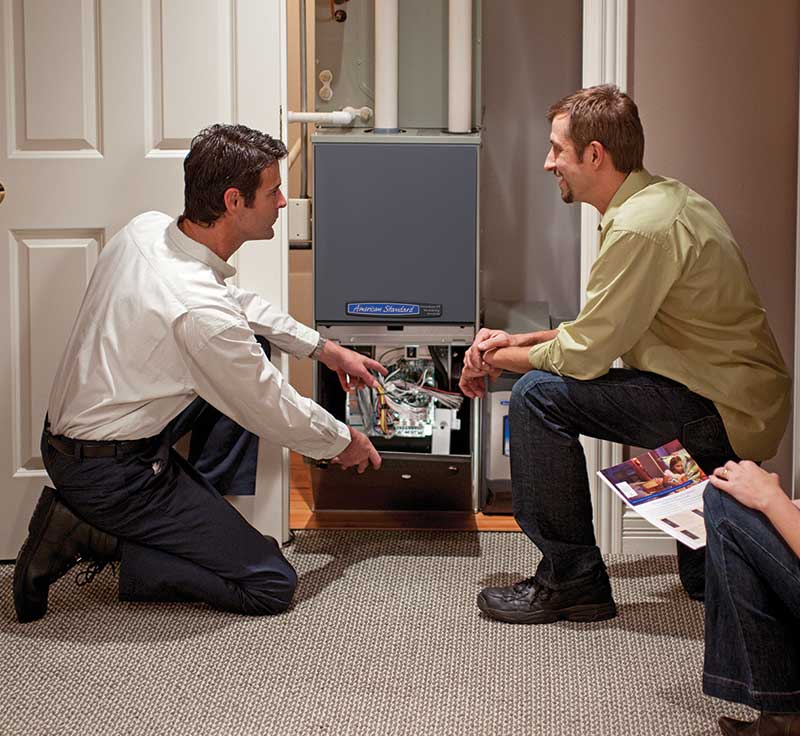
Start With an Accurate Diagnosis
Many failure symptoms overlap, so the first step is confirming exactly which component or condition is causing the warning sign.
For example, intermittent starts or lockouts could be caused by:
- An incorrect thermostat setting or thermostat communication issue
- A tripped breaker or power interruption
- A dirty air filter causing overheating
- A failed igniter
- A dirty or malfunctioning flame sensor
- A clogged condensate drain
- A defective pressure switch, limit switch, or control board
- A blower motor or capacitor problem
- A gas valve, burner, or venting-related concern
Not every symptom means immediate failure, but patterns matter. A trained HVAC technician will test the inducer and blower, verify gas pressure and ignition timing, check the flame sensor signal, inspect the heat exchanger, and measure temperature rise to determine whether the issue is isolated or a sign of broader system decline.
Air Conditioning Services works with furnaces across makes and models and can diagnose concerns such as short cycling, ignition retries, yellow flames, soot, unusual noises, hot-and-cold rooms, and other late-stage failure indicators.
Intermittent Ignition, Short Cycling, and Overheating
Two of the strongest signs a furnace is heading toward failure are unreliable ignition and frequent short cycling. Both strain critical parts and can point to unsafe conditions if ignored.
You may be approaching a breakdown if:
- The furnace clicks but fails to light on the first try or needs multiple ignition attempts.
- Burners light, then shut down within a minute or two, repeating this pattern during a call for heat.
- The unit overheats and trips the limit switch, then restarts after cooling—often caused by airflow restrictions, a failing blower, or dirty coils.
- You notice frequent lockouts that require resetting power or the thermostat.
- The inducer runs but the pressure switch won’t close, indicating venting or inducer issues.
- There’s a delay between inducer start and burner ignition, suggesting weak igniter output or low flame sensor signal.
- Supply air feels hot then quickly cools, a hallmark of overheating and shutdown.
These patterns can stem from a worn hot-surface igniter, contaminated flame sensor, weak inducer motor, clogged filter or ducts, or a failing control board. Left unchecked, repeated overheating can damage the heat exchanger. ACS can test ignition amperage, verify proper temperature rise, and correct the root cause before a full failure occurs.
Also watch for nuisance limit trips. The limit switch is protecting your system from excessive temperatures; frequent trips aren’t normal and point to airflow or control issues that need prompt attention to avoid costly damage.

Soot, Flame Color, CO Risk, Costs, and Comfort Clues
Combustion quality and operating trends provide critical insights into furnace health and safety.
Take action quickly if you notice:
- Yellow, wavering, or lifting flames instead of steady blue—can indicate improper combustion, dirty burners, or a cracked heat exchanger.
- Soot or scorch marks on the furnace cabinet, around the burner compartment, or near supply registers—signals incomplete combustion and potential carbon monoxide risk.
- Escalating repair frequency—multiple calls in one or two seasons often indicate systemic decline rather than isolated failures.
- Unusual noises or vibrations—banging, booming at startup, grinding, rattling, or high-pitched squeals can point to delayed ignition, failing bearings, or loose components.
- Uneven heating and weak airflow—rooms that never warm up, low register velocity, or cold spots can indicate blower, duct leakage, or coil/filtration restrictions.
- Spiking energy bills—longer runtimes and falling comfort suggest declining AFUE performance from fouled heat exchange surfaces, poor combustion, or control issues.
- Parts becoming hard to source—obsolete controls or motors can turn minor fixes into prolonged outages.
- Persistent short cycling even after basic maintenance—often a sign of underlying design or component failure.
ENERGY STAR emphasizes safe operation and efficiency, but visible soot, odor of exhaust, or CO detector alerts demand immediate professional service. If ACS finds a cracked heat exchanger or confirmed venting hazard, we will outline repair vs. replacement paths and prioritize your family’s safety.
Age alone isn’t the only factor. A well-maintained furnace can run safely for years, but when you combine combustion warnings, frequent trips, and rising costs, it’s time to plan your next step. Our team compares the risk of additional breakdowns with the value of corrective repairs and, when appropriate, can discuss replacement options without pressure.
Compare Common Failure Signals
Warning sign |
What it may indicate |
Why prompt service matters |
|
Repeated failed starts |
Weak igniter, dirty flame sensor, inducer or pressure switch issues |
Prevents lockouts, reduces stress on control board and gas valve |
|
Short cycling/overheating |
Clogged filter, duct restriction, failing blower, mis-set limit switch |
Protects heat exchanger from thermal fatigue and cracking |
|
Yellow flames/soot |
Dirty burners, improper combustion, possible heat exchanger breach |
Reduces carbon monoxide risk and ensures safe combustion |
|
Growing repair list |
System-wide wear; components failing in sequence |
Prevents surprise outages and mounting costs |
|
Rattles, booms, squeals |
Delayed ignition, loose panels, blower or inducer bearings |
Avoids damage to blower wheel, motor, and exchanger |
|
Cold spots/weak airflow |
Duct leakage, dirty coil or filter, undersized blower |
Restores comfort and reduces runtime stress |
|
Higher bills/long runtimes |
Declining AFUE from fouling, poor combustion, or control faults |
Lowers operating cost and prevents premature failure |
|
Obsolete parts |
End-of-life platform or discontinued components |
Reduces downtime risk during peak cold snaps |
If you’re tracking several of these warning signs at once, schedule a professional assessment. ACS will check combustion, draft, heat exchanger integrity, and airflow, then recommend targeted repairs or, when warranted, discuss replacement in the context of safety, reliability, and your goals.
Safety Red Flags You Shouldn’t Ignore
Certain furnace warning signs point to immediate danger rather than a simple comfort issue. If a technician finds evidence of combustion problems, venting failures, gas leaks, damaged electrical components, or a compromised heat exchanger, your system may need to be shut down to protect your household.
If you smell gas, your carbon monoxide alarm sounds, you see smoke, or you suspect a gas-related emergency, leave the building and call emergency services or your gas utility from outside. Do not relight the furnace, toggle electrical switches, strike matches, or attempt DIY troubleshooting when a leak or CO issue is possible.
Air Conditioning Services (ACS) may recommend taking your furnace offline or discussing replacement when a technician identifies:
- A cracked or deteriorated heat exchanger
- Blocked, damaged, or back-drafting exhaust or combustion vents
- Frequent flame rollout or rollout switch trips
- Unsafe burner flame characteristics or gas-valve malfunctions
- Electrical arcing, burned wiring, or recurring breaker trips
- Any condition that prevents safe, code-compliant operation
Your technician should walk you through the findings, explain the safety implications, outline whether repair is feasible, and present clear options to restore safe heat.
Why Acting Early Can Pay Off
Recognizing late-stage furnace failure signs before a breakdown can help you avoid emergency calls and extend system life. Addressing issues such as intermittent ignition, short cycling, or overheating often improves reliability, temperature consistency, and energy performance while protecting critical components like the heat exchanger and inducer motor.
Proactive attention can deliver:
- Fewer surprise breakdowns as parts wear or fail
- More dependable heat during cold snaps
- Stabilized efficiency when ignition and airflow are corrected
- More even temperatures with restored airflow and proper cycling
- Better thermostat control and system communication
- Peace of mind with documented inspections and warranted repairs
- Opportunities to address past airflow or duct issues contributing to failures
Right-sizing repairs matters. Overshooting with aggressive adjustments can cause short cycling, while ignoring underlying airflow or venting problems can lead to overheating. A thorough ACS assessment considers duct condition, filtration, building envelope, thermostat operation, and heat load so fixes target the true root cause.
ACS provides expert diagnostics and repair recommendations to resolve failure symptoms early and keep your furnace running safely and efficiently.
Key Questions When You Notice Warning Signs
If your furnace is hard-starting, short cycling, or showing other late-stage symptoms, make sure you understand what’s happening and why. Ask your HVAC technician:
- Which component or condition is triggering the symptom (igniter, flame sensor, inducer, limit switch, control board, etc.)?
- Will the proposed repair address the root cause, not just the symptom?
- How does my furnace’s age and condition compare to typical service life and failure patterns?
- Have recent repairs, repeated lockouts, or abnormal shutdowns increased the risk of future failures?
- Are there any current or potential safety risks, including CO exposure or overheating?
- What does the repair include, and what are the parts and labor warranties?
- If replacement is mentioned, what specific findings make it a better option than repair?
- Is my current capacity and AFUE appropriate for the home, or are airflow/duct issues part of the problem?
- Would fixes require updates to venting, electrical, condensate drainage, or thermostat wiring?
- What maintenance steps will prevent the issue from returning?
These questions help you base decisions on documented causes—like failed ignition or overheating limits—rather than the urgency of a no-heat situation.
Simple Steps to Prevent a Sudden Breakdown
While some failures are unavoidable, routine maintenance catches many warning signs early. Seasonal service should verify ignition and combustion, inspect electrical connections, confirm inducer and blower operation, test limit and pressure switches, clean or replace the flame sensor, evaluate airflow and static pressure, and check filter and condensate conditions.
Homeowners can reduce risk by:
- Changing furnace filters on schedule to protect airflow and heat exchanger temps
- Keeping supply and return grilles open and clear to prevent short cycling
- Maintaining safe clearance around the furnace cabinet
- Scheduling service promptly for new noises, odors, failed starts, or uneven heat
- Testing carbon monoxide alarms per the manufacturer’s guidance
- Booking a checkup before peak heating season to catch marginal components
ACS provides furnace maintenance, repair, installation, and replacement services for Gainesville, GA, homes and businesses.
Schedule Furnace Service in Gainesville, GA
If you’re spotting signs your furnace is about to fail, Air Conditioning Services can diagnose the cause and get ahead of a breakdown. Our team will inspect ignition, airflow, safety controls, and electrical systems, explain your options, and restore safe, reliable heat.
Call Air Conditioning Services at 770-532-0731 to schedule furnace repair, maintenance, or replacement service in Gainesville, GA, and the surrounding Northeast Georgia area.
Open 7AM - 5PM Monday-Friday
Quick Contact Form
Make a Payment
Our Service Area
We have happy customers all around the Northeast Georgia area. We’ve provided HVAC services for homes and businesses in:
· Hall County: Clermont, Flowery Branch, Gainesville, Lula, & Oakwood
· Habersham County: Alto, Baldwin, Clarkesville, Cornelia, Demorest, Mount Airy & Tallulah Falls
· Gwinnett County: Dacula, Sugar Hill, Buford, Lawrenceville
· Jackson County: Pendergrass, Arcade, Braselton, Commerce, Hoschton, Jefferson, Maysville, Nicholson & Talmo
· Stephens County: Martin & Toccoa
· Dawson County: Dawsonville
· Lumpkin County: Dahlonega
· Forsyth County: Cumming
Contact us today when you need HVAC services you can trust.