


How Long Do Heat Pumps Last? | ACS
Wondering how long heat pumps last? Learn typical lifespans, what shortens or extends service life, and when planning for replacement makes sense. Call Air Conditioning Services in Gainesville, GA today.
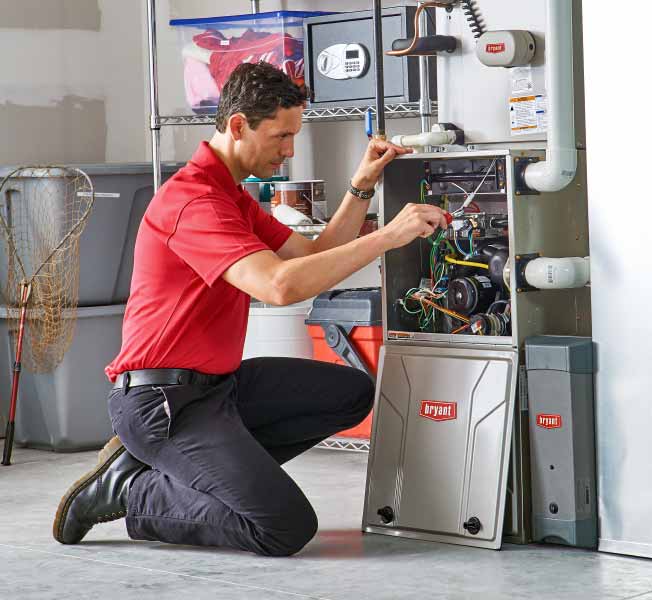
How Long Do Heat Pumps Last?
Most residential heat pumps deliver dependable comfort for 10–15 years, with well-installed and well-maintained systems in moderate climates often reaching 15–20 years. Actual lifespan depends on climate severity, run time in heating and cooling seasons, installation quality, sizing, and ongoing care.
In Gainesville, GA and across Northeast Georgia, heat pumps work year-round—cooling through long summers and providing heat on chilly winter days. That duty cycle means wear adds up faster than in a cooling-only air conditioner. However, with proper maintenance and correct sizing, many homeowners see efficient, reliable performance for well over a decade.
Air Conditioning Services helps homeowners and businesses understand heat pump longevity and what affects it. Our team evaluates your equipment’s condition, usage patterns, and maintenance history, then offers guidance tailored to your system—not a one-size-fits-all opinion. Call 770-532-0731 to schedule heat pump service in Gainesville, GA, and Northeast Georgia. ACS provides heat pump maintenance, repair, installation, and replacement for residential and commercial customers.
Start With an Accurate Assessment
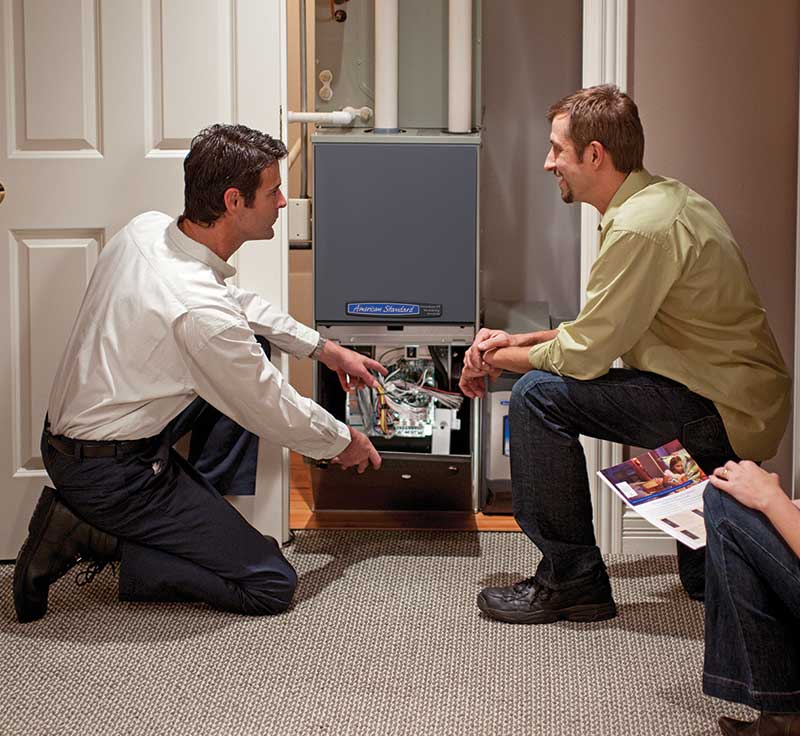
Estimating remaining heat pump life begins with understanding how the system is operating today. Similar symptoms can point to very different root causes that impact longevity in different ways.
For example, a heat pump that won’t heat or cool effectively could have:
- Incorrect thermostat mode or a thermostat communication issue
- A tripped breaker or low-voltage control interruption
- A clogged air filter restricting airflow across the indoor coil
- A dirty outdoor coil or blocked airflow around the condenser
- Low refrigerant charge from a leak affecting the compressor
- A malfunctioning defrost control or sensor
- A failing capacitor, contactor, or control board
- A weak blower motor or outdoor fan motor
- Improper charge or sizing from the original installation
Not every performance issue signals end of life. A trained HVAC technician can test refrigerant pressures, inspect electrical components, verify airflow, evaluate compressor health, and review maintenance history to determine whether problems are isolated or evidence of age-related decline.
Air Conditioning Services services heat pumps of all makes and models and can evaluate concerns such as reduced capacity, longer run times, unusual noises, frost buildup, and inconsistent temperatures to give a clear picture of expected remaining service life.
Average Lifespan by Climate and Usage
Heat pump life varies with how hard the system has to work and for how many hours each year.
You can generally expect:
- Moderate climates: 15–20 years is common when systems are properly sized and maintained.
- Hot-humid or mixed-humid regions (like Northeast Georgia): 12–17 years is typical due to long cooling seasons and winter heating demand.
- Cold climates: 10–15 years for standard air-source units that run extended heating cycles and frequent defrosts.
- Light usage or homes with zoning/efficient envelopes: Toward the higher end of each range.
Run time matters as much as age. A heat pump that cycles nearly year-round will accrue wear on the compressor, fan motors, and controls faster than a system used seasonally. Inverter-driven systems can reduce on/off cycling stress, which may support longer service life when properly maintained.
SEER2 and HSPF2 ratings indicate efficiency, not durability; however, higher-efficiency, inverter-based designs often include advanced protections and better low-load operation that can reduce mechanical strain over time.

What Extends or Shortens Heat Pump Life
Several factors influence whether a heat pump reaches the upper end of its lifespan or needs earlier replacement.
Key considerations include:
- Installation quality: Correct refrigerant charge, proper airflow, and clean brazing practices protect the compressor and coils.
- Sizing: A right-sized system avoids excessive short cycling and long, inefficient run times that accelerate wear.
- Maintenance: Annual professional tune-ups, clean coils, clear condensate drains, and timely air filter changes reduce strain.
- Operating conditions: Debris-free outdoor clearance and shade can help efficiency; corrosive or coastal environments can shorten coil life.
- Refrigerant type and availability: Older R-22 units are expensive to service; modern R-410A systems are transitioning to lower-GWP refrigerants, which may influence long-term serviceability.
- Duty cycle: Heavy winter heating, frequent defrost cycles, and extreme summer loads increase compressor and fan motor wear.
- Controls and thermostat use: Smart staging or inverter control that limits rapid cycling can lessen mechanical stress.
ENERGY STAR-style rules of thumb about age are helpful guides, but real decisions should weigh the system’s repair history, efficiency trend, and expected remaining life. Briefly, if you’re noticing rising energy use, longer run times, or capacity loss, it may be time to discuss options—while reserving deeper replacement guidance for a dedicated consultation.
Recognize Age-Related Efficiency Decline
Indicator |
What it may mean |
Service impact on lifespan |
|
Longer run times |
Coil fouling, refrigerant charge issues, or compressor wear |
Cleaning and correcting charge can restore performance; chronic wear shortens life |
|
Frequent defrosts in winter |
Sensor or control problems, restricted airflow, or low capacity |
Defrost calibration and airflow fixes reduce stress and extend life |
|
Higher energy bills |
Efficiency loss from aging components or improper settings |
Tune-ups and proper thermostat programming can slow decline |
|
Noise or vibration |
Fan motor bearings, compressor mounts, or loose panels |
Early repairs prevent collateral damage and extend service life |
|
Uneven temperatures |
Duct issues, blower performance, or sizing mismatch |
Duct sealing/balancing and blower service reduce runtime and wear |
|
Obsolete refrigerant |
Older refrigerants can be costly or unavailable |
Limited service options may justify planning earlier replacement |
|
Frequent repairs |
Pattern of component failures pointing to age or installation issues |
Addressing root causes can add years; recurring breakdowns shorten life |
|
Home changes |
Remodels or envelope upgrades alter load requirements |
Resizing or system updates can optimize runtime and longevity |
Simple math shortcuts can be a helpful conversation starter—such as weighing age against repair cost—but they don’t replace a professional evaluation. ACS considers maintenance history, safety, efficiency, local climate, SEER2/HSPF2 performance, and your long-term plans to help you make a well-informed decision about maintaining or eventually replacing your heat pump.
Safety And Lifespan: When Immediate Action Matters
While most heat pump lifespan decisions revolve around efficiency and age, certain issues demand urgent attention regardless of years in service. If a technician finds problems with electrical wiring, overheating compressors, shorted fan motors, or damaged defrost controls, they may advise shutting the system down to protect your home and the equipment.
If you see smoke, smell burning electrical odors, notice tripped breakers that reset and immediately trip again, or hear arcing at the outdoor unit, step away from the system and call for help. Do not attempt to restart the equipment, bypass safety devices, or continue running the heat pump until it’s inspected.
A replacement or major repair conversation may be appropriate if the technician identifies:
- Severely worn or failing compressor
- Chronic electrical faults, overheated wiring, or control board damage
- Refrigerant leaks that cannot be economically repaired
- Repeated defrost-cycle failures leading to icing
- Fan motor or blower failures that cause overheating
- Conditions that prevent safe, reliable operation
Your technician should clearly explain what was found, how it affects lifespan and performance, whether repair is practical, and the options available to restore safe comfort.
How New Heat Pumps Influence Lifespan And Efficiency
Upgrading an older system can do more than stop frequent breakdowns. A properly selected and installed heat pump can run quieter, handle extreme temperatures better, and maintain comfort with less strain—factors that can help the system last longer while lowering energy use.
Potential benefits include:
- Fewer repairs compared with aging equipment
- More dependable heating and cooling in temperature swings
- Improved SEER2 and HSPF2 efficiency versus older models
- More even temperatures thanks to better airflow and staging
- Compatibility with modern programmable or smart thermostats
- New manufacturer warranty coverage
- Opportunity to correct past sizing, installation, or ductwork issues
Correct sizing is essential for longevity. Oversized heat pumps short-cycle, increasing wear, while undersized systems run constantly and struggle in peak seasons. A professional load calculation should evaluate your home’s layout, insulation, windows, duct condition, building envelope, and heating/cooling loads before recommending capacity and equipment type.
ACS provides heat pump installation and replacement guidance, helping homeowners choose properly sized systems and configurations that support long service life.
Key Questions About Heat Pump Lifespan
Understanding how long a heat pump can last starts with a candid evaluation of its condition and usage. Ask your HVAC technician:
- Which component is failing (compressor, fan motor, control board, refrigerant circuit) and why?
- Will the recommended repair address the root cause or only the symptom?
- How old is my heat pump, and how does its wear compare with typical service life in our climate?
- Have repeated repairs, refrigerant leaks, or efficiency losses shortened its expected lifespan?
- Are there any safety or reliability concerns that could lead to system failure?
- What is included in the repair cost, and what parts/labor warranties apply?
- If replacement is suggested, why is it the better long-term value versus repair?
- What size, SEER2, and HSPF2 ratings fit my home and usage patterns?
- Will replacement require duct, electrical, condensate drainage, or thermostat updates?
- What maintenance plan will help maximize the remaining or new system’s lifespan?
These questions keep the focus on documented condition, operating history, and expected service life—so you can plan confidently.
Maintenance Practices That Extend Service Life
Heat pumps commonly last 12–15 years, and well-maintained systems can reach 15–20 years in moderate climates. Routine care reduces wear and preserves efficiency. A seasonal tune-up should verify defrost operation, check electrical connections, measure refrigerant charge, test airflow and static pressure, confirm thermostat and control functions, and inspect condensate and coil condition.
Homeowners can support longevity by:
- Changing filters on schedule to protect airflow and components
- Keeping supply and return grilles open and unobstructed
- Clearing vegetation and debris at least 18–24 inches around the outdoor unit
- Scheduling service for new noises, icing, short cycling, or rising energy bills
- Verifying the defrost cycle performs correctly in cold weather
- Arranging preventative maintenance before peak heating and cooling seasons
ACS offers heat pump maintenance, repair, installation, and replacement services for Gainesville, GA, homes and businesses.
Plan Your Heat Pump’s Future in Gainesville, GA
If you’re asking, “How long do heat pumps last?” Air Conditioning Services will evaluate your system’s age, condition, and performance to estimate remaining life, outline maintenance steps to extend it, and discuss replacement options when it’s time.
Call Air Conditioning Services at 770-532-0731 to schedule heat pump repair, maintenance, or replacement service in Gainesville, GA, and the surrounding Northeast Georgia area.
Open 7AM - 5PM Monday-Friday
Quick Contact Form
Make a Payment

Our Service Area
We have happy customers all around the Northeast Georgia area. We’ve provided HVAC services for homes and businesses in:
· Hall County: Clermont, Flowery Branch, Gainesville, Lula, & Oakwood
· Habersham County: Alto, Baldwin, Clarkesville, Cornelia, Demorest, Mount Airy & Tallulah Falls
· Gwinnett County: Dacula, Sugar Hill, Buford, Lawrenceville
· Jackson County: Pendergrass, Arcade, Braselton, Commerce, Hoschton, Jefferson, Maysville, Nicholson & Talmo
· Stephens County: Martin & Toccoa
· Dawson County: Dawsonville
· Lumpkin County: Dahlonega
· Forsyth County: Cumming
Contact us today when you need HVAC services you can trust.