
Pilot Light Won’t Stay Lit | Air Conditioning Services
Pilot light keeps going out in Gainesville, GA? Air Conditioning Services tracks down the cause and restores safe, steady ignition. Call 770-532-0731 today.
Pilot Light Keeps Going Out? Trusted Help in Gainesville, GA
When a standing pilot won’t stay lit, your furnace, water heater, or boiler can lose heat without warning—often on the coldest North Georgia nights. A stubborn pilot can point to a simple draft or a dirty pilot assembly, but it may also indicate a failing thermocouple, weak gas supply, a clogged pilot orifice, or regulator trouble.
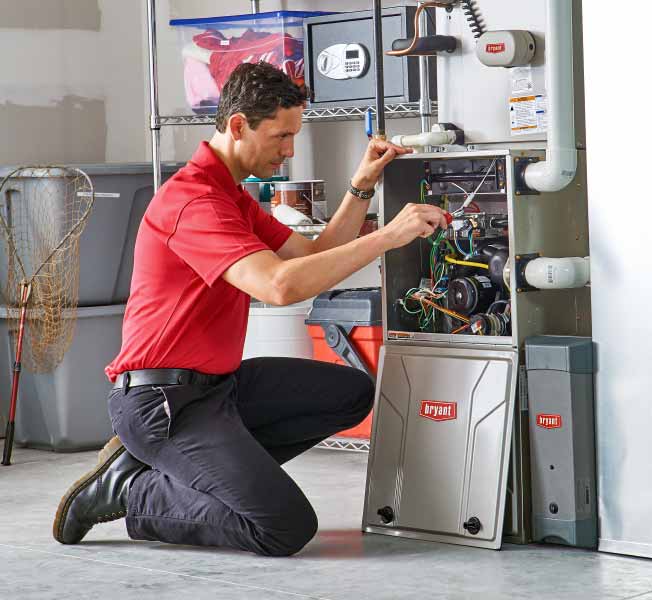
Air Conditioning Services provides expert diagnosis and repair for pilot and ignition issues in Gainesville, GA, and nearby communities. Our trained technicians inspect the pilot assembly, verify gas pressure, test the thermocouple’s millivolt output, and correct the root cause so the flame stays steady. If your pilot won’t hold or keeps blowing out, call Air Conditioning Services at 770-532-0731 for prompt service.
Why Won’t My Pilot Light Stay Lit?
A standing pilot relies on the right blend of gas flow, clean combustion, and proper flame sensing to remain on. After lighting, the pilot heats a thermocouple, which generates a small millivolt signal to keep the gas valve open. If the flame is weak, dirty, starved of air, or repeatedly hit by drafts, the thermocouple can’t stay hot enough and the valve will close, extinguishing the flame.
Any disruption in this chain can cause a pilot to go out.
Common reasons a pilot won’t stay lit include:
- A mispositioned or failing thermocouple that can’t generate a stable millivolt signal
- Dirty pilot orifice or tubing restricting the flame
- Drafts or downdrafts at the draft hood blowing the flame out
- Low gas pressure or a partially closed shutoff valve
- Regulator issues affecting steady gas delivery
- Soot buildup or debris altering pilot flame size and shape
- A loose pilot assembly or misaligned flame not contacting the thermocouple tip
- Combustion air problems in a tight mechanical room
- Faults within the gas valve or safety controls
- Vent or chimney conditions creating negative pressure
- Intermittent issues related to other furnace safeties
Some items allow for careful homeowner observation, but anything involving gas controls, open flames, or combustion safety should be addressed by a qualified HVAC professional.
Safe Checks to Try First
Before scheduling service, you can look for a few low-risk causes. Do not remove burners, alter gas components, bypass safeties, or relight without following the manufacturer’s instructions. If you smell gas or see signs of soot or scorching, leave the area and call for help.
Look for Drafts Around the Appliance
Open doors, leaky attic hatches, or exhaust fans can create downdrafts at the draft hood that snuff out a small flame. Close nearby windows, turn off strong exhaust fans temporarily, and ensure the appliance room door is not slamming air onto the pilot area.
If the pilot holds when drafts are reduced but goes out again later, schedule service to assess venting and combustion air so the issue doesn’t return.
Verify the Gas Shutoff Position
Confirm the appliance’s gas shutoff valve handle is parallel to the pipe (open). Do not force a stuck valve. If other gas appliances seem weak or won’t light, there may be a supply or regulator issue that needs professional attention.
Never attempt to adjust a regulator yourself. If the flame seems unusually small or noisy, call a technician.
Observe the Pilot Flame
Through the sight glass or access opening, check the pilot. A healthy pilot is typically steady, with a sharp blue cone that engulfs the thermocouple tip by about 3/8 to 1/2 inch.
If the flame is yellow, flickering, lifting, or barely touching the thermocouple, debris or misalignment may be to blame. Avoid sticking objects into the pilot area—schedule cleaning by a pro.
Ensure the Access Panel Is Reinstalled
Some appliances have interlocks that require the burner or front panel to be fully seated for safe operation. If you recently inspected the unit, make sure the panel is firmly in place before attempting to relight per the manufacturer’s directions.
Never operate the appliance with panels removed, as this can disrupt combustion air and draft.
Confirm Adequate Combustion Air
Storage rooms packed with boxes or tightly sealed closets can starve the pilot of air. Clear obstructions from louvered doors and make sure any combustion air openings are not blocked.
If these basic checks don’t help the pilot stay lit, it’s time to schedule professional service.

Common Pilot and Ignition Problems
Thermocouple Trouble
The thermocouple sits in the pilot flame and produces a small millivolt signal that holds the gas valve open. If it’s dirty, bent out of the flame, or failing internally, the signal drops and the valve closes, extinguishing the pilot.
Symptoms include a pilot that lights but goes out when you release the control, or a flame that stays on briefly and then dies. A technician can verify millivolt output, adjust placement, and replace the thermocouple when needed.
Dirty Pilot Orifice or Tubing
Dust, rust, or spider webs can partially block the pilot orifice, shrinking the flame so it no longer engulfs the thermocouple tip. Even minor restriction can cause intermittent outages, especially during windy conditions or when other exhaust devices run.
Professional cleaning restores the correct flame size and shape and includes checking the pilot assembly, orifice, and line for leaks or damage.
Drafts and Venting Issues
Improper venting or negative pressure can push air back down the vent, blowing out the pilot. This often happens when powerful exhaust fans operate, the draft hood is misaligned, or the chimney is partially obstructed.
A technician will assess draft at startup and steady state, inspect the draft hood and vent connectors, and correct the cause of downdrafts to protect safe combustion.
Gas Valve or Regulator Concerns
Low inlet pressure, a sticking gas valve, or a faulty regulator can starve the pilot. You may notice a weak, wavering flame or frequent outages that coincide with other gas appliance use.
These components require professional testing with manometers and electrical checks. Do not attempt adjustments—improper settings can be hazardous.
Pilot Flame Quality and Alignment
For reliable operation, the pilot flame must be clean, blue, and directed onto the thermocouple or flame sensor. Misalignment from vibration or previous service can leave the sensor only half-covered by the flame.
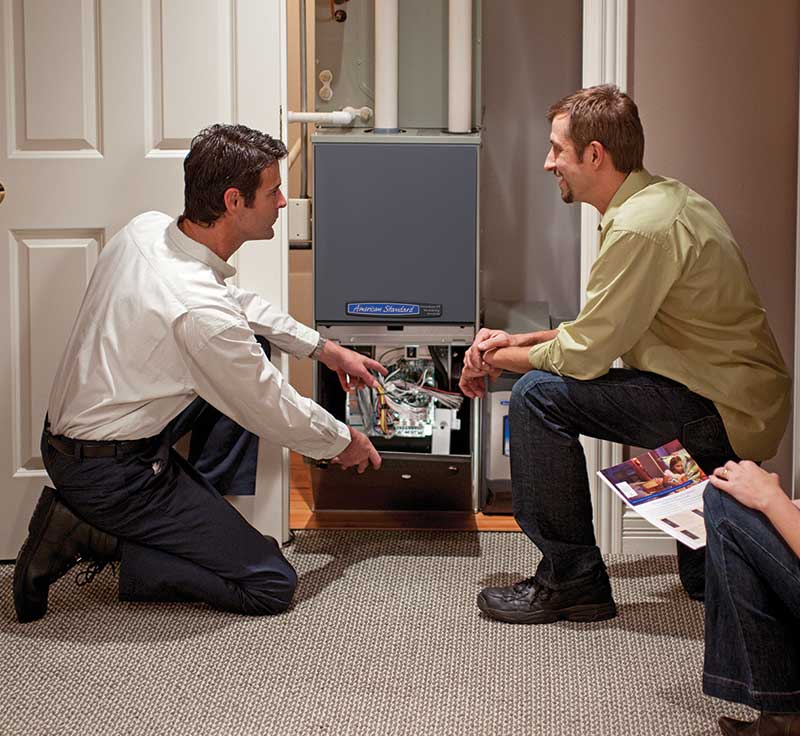
Your HVAC technician will realign the pilot, check for soot, verify combustion air, and ensure the flame fully envelopes the sensor for steady operation. If you’re also noticing short cycling or cool air, see our pages on Furnace Keeps Turning Off or Furnace Blowing Cold Air for related concerns.
When a Pilot Light Issue Is an Emergency
Most pilot light problems can be scheduled for routine service, but certain warning signs require urgent action. Treat any situation involving the smell of gas, visible soot or smoke, a triggered carbon monoxide alarm, or scorching/burning odors as an emergency.
Leave the home and contact emergency services or the gas utility from outside if you smell gas, suspect a leak, see smoke around the burner compartment, or hear a carbon monoxide alarm. Do not relight the pilot, flip electrical switches, use lighters or matches, start vehicles in an attached garage, or attempt further troubleshooting.
Carbon monoxide is odorless and invisible, and exposure can cause headache, nausea, dizziness, confusion, or loss of consciousness. The Environmental Protection Agency advises moving to fresh air immediately and seeking medical attention when CO exposure is suspected. It also recommends that all fuel-burning appliances—like gas furnaces with standing pilots—be inspected by a trained professional before each heating season.
The CDC recommends installing battery-operated or battery-backup carbon monoxide detectors near each sleeping area and servicing gas, oil, or coal-burning heating equipment annually by a qualified technician.
Call Air Conditioning Services promptly for professional help when:
- The pilot light will not stay lit after multiple safe attempts to relight.
- The pilot flame is weak, yellow, flickering, or lifts off the tip of the thermocouple.
- You notice soot buildup around the pilot assembly or burners.
- You detect gas odors near the furnace or gas line.
- The furnace shuts down soon after the pilot lights or repeatedly drops out during operation.
- Downdrafts from the vent or strong room drafts seem to blow out the pilot.
- Your household includes infants, older adults, pets, or medically vulnerable people and the furnace cannot maintain heat.
What to Expect During Pilot Light Service
A professional visit for a pilot that won’t stay lit begins with focused diagnostics. The technician will verify safe gas supply and examine the pilot assembly to determine whether the issue stems from the thermocouple, a dirty pilot orifice, drafts, or gas valve/regulator irregularities.
Depending on your equipment and symptoms, the evaluation may include:
- Confirming gas shutoff valve position and verifying inlet pressure/regulator function
- Inspecting the pilot orifice and tubing for debris, soot, or partial blockage
- Assessing pilot flame size, color, and stability relative to the thermocouple tip
- Testing thermocouple millivolt output under flame and checking secure connections at the gas valve
- Reviewing venting and draft hood for downdrafts or inadequate combustion air
- Examining burner ignition sequence and flame carryover from pilot to main burners
- Verifying safety controls and gas valve operation under load
- Checking for airflow patterns or appliance room conditions that could extinguish the pilot
Air Conditioning Services offers expert cleaning, adjustment, and component replacement for pilot assemblies, including thermocouples and gas valves when needed. Our trained, background-checked technicians service heating issues such as intermittent pilot outages, related shutdowns that can mimic “furnace keeps turning off,” and concerns that may also lead to symptoms like occasional cool air or burning smells. We focus on restoring a stable, properly adjusted pilot flame so your furnace can operate safely and reliably.
Prevent Pilot Light Problems Before They Start
Seasonal furnace care is one of the best ways to avoid a pilot that keeps going out. Routine service lets a technician clean the pilot orifice, verify a crisp, steady flame, test thermocouple output, and confirm proper gas pressure and draft—before cold weather arrives.
You can also help maintain a reliable pilot by:
- Keeping the furnace area free of dust and ensuring adequate combustion air around the unit
- Avoiding storage that blocks the draft hood or creates strong localized drafts that can blow out the pilot
- Replacing air filters on schedule to promote proper burner performance and stable flame
- Watching for signs like a yellow, wavering pilot, soot deposits, or frequent relight needs
- Testing carbon monoxide alarms as directed by the manufacturer
- Scheduling a professional pilot inspection and cleaning prior to heating season
Don’t wait for the pilot to fail on the coldest night. Early attention can stabilize ignition, reduce nuisance shutdowns, and prevent minor issues—like a dirty orifice or weak thermocouple—from becoming larger repairs.
Call Air Conditioning Services for Pilot Light Help
If your pilot light won’t stay lit in Gainesville, GA, Air Conditioning Services can troubleshoot the cause and restore dependable operation. From thermocouple testing and pilot cleaning to gas valve checks and draft corrections, our team delivers targeted solutions for standing-pilot furnaces.
Call Air Conditioning Services at 770-532-0731 to schedule pilot light service in Gainesville, GA, or the surrounding Northeast Georgia area.
Open 7AM - 5PM Monday-Friday
Quick Contact Form
Make a Payment

Our Service Area
We have happy customers all around the Northeast Georgia area. We’ve provided HVAC services for homes and businesses in:
· Hall County: Clermont, Flowery Branch, Gainesville, Lula, & Oakwood
· Habersham County: Alto, Baldwin, Clarkesville, Cornelia, Demorest, Mount Airy & Tallulah Falls
· Gwinnett County: Dacula, Sugar Hill, Buford, Lawrenceville
· Jackson County: Pendergrass, Arcade, Braselton, Commerce, Hoschton, Jefferson, Maysville, Nicholson & Talmo
· Stephens County: Martin & Toccoa
· Dawson County: Dawsonville
· Lumpkin County: Dahlonega
· Forsyth County: Cumming
Contact us today when you need HVAC services you can trust.