
Furnace Keeps Turning Off: Troubleshooting & Repair
Furnace keeps turning off in Gainesville, GA? Air Conditioning Services finds the cause of short cycling and restores steady, reliable heat. Call 770-532-0731 today.
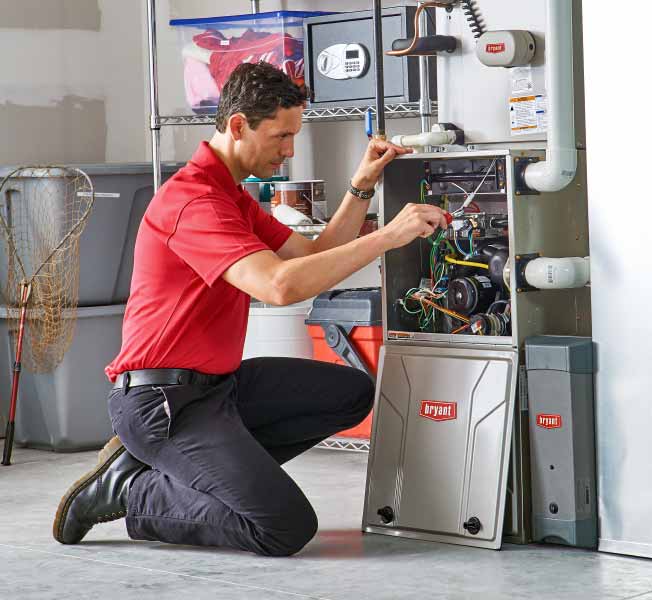
Furnace Short Cycling Repair in Gainesville, GA
When your furnace starts then shuts off within a few minutes, your home can’t warm up—and the constant cycling can stress critical components. Frequent shutdowns may stem from airflow restrictions, a tripping high-limit switch, a poorly placed thermostat, ignition or flame-sensing issues, or control and safety faults.
Air Conditioning Services provides expert diagnosis and repair for short cycling in Gainesville, GA, and nearby communities. Our seasoned technicians pinpoint why your furnace is shutting down, explain the fix in plain terms, and get your heat running on a normal cycle length. If your system keeps stopping and starting, call Air Conditioning Services at 770-532-0731 for service.
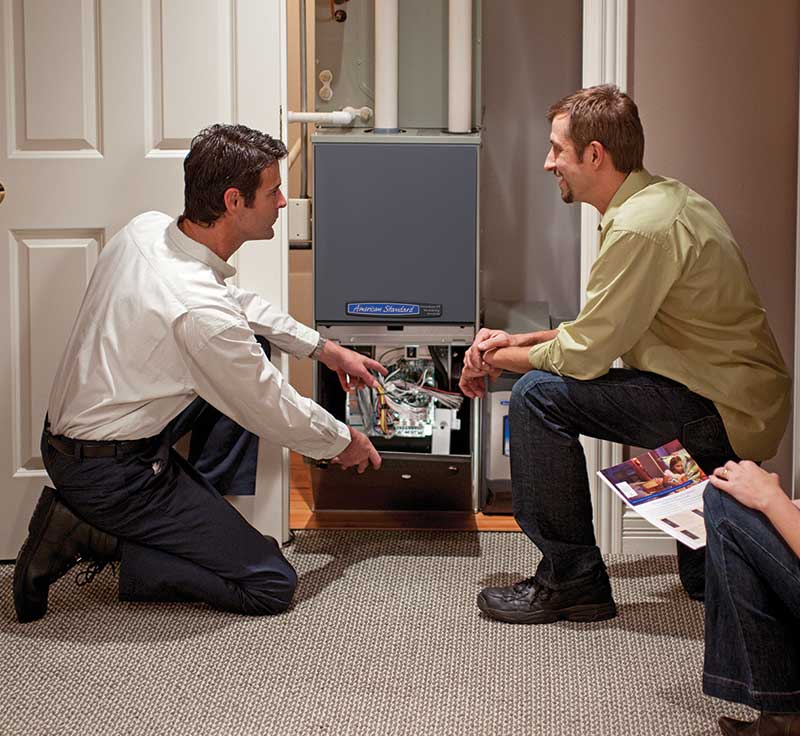
Why Your Furnace Repeatedly Shuts Off
A healthy furnace runs long enough to reach setpoint, then rests. Short cycling is when it shuts down early and restarts repeatedly. Controls monitor draft, ignition, flame, temperature, and airflow—if any safeguard senses trouble, the furnace will stop to protect itself.
Interruptions at any stage can cause repeated shutdowns.
Common reasons a furnace keeps turning off include:
- Thermostat placement causing false readings or a power issue
- Electrical problems like a tripped breaker or loose furnace disconnect
- Restricted airflow from a clogged filter elevating heat exchanger temps
- Loose or misseated blower-door panel opening the door switch circuit
- Weak or cracked hot-surface igniter leading to failed re-lights
- Dirty or failing flame sensor dropping the flame signal mid-cycle
- Blocked condensate drain on a high-efficiency furnace tripping a float
- Faulty or tripping pressure switch, rollout switch, or high-limit switch
- Control board, relay, or gas valve faults interrupting burner operation
- Blower motor, capacitor, or speed/control issues reducing airflow
- Vent or combustion air blockages affecting draft or pressure
Some items are safe to check; others involve combustion, venting, and electrical hazards and should be handled by a qualified HVAC professional.
Quick Safety Checks Before You Proceed
If your furnace is short cycling, you can check a few low-risk items before booking service. Do not open the burner compartment, bypass safety devices, handle wiring, or work on gas or condensate components.
Verify Thermostat Settings and Modes
Set the thermostat to Heat with a setpoint several degrees above room temperature. Use Auto for the fan so the blower follows the control sequence rather than running nonstop and confusing cycle timing.
If the display is blank or showing low battery, replace the batteries if applicable. Poor thermostat placement—like above a supply register, in direct sun, or near a heat source—can cause rapid overshoot and frequent shutoffs. If settings look correct but cycling continues, have a technician assess placement and wiring.
Reset Tripped Breakers or Furnace Switch
Inspect your electrical panel for a tripped breaker serving the furnace or air handler. A tripped breaker may sit between On and Off. Move it fully to Off, then back to On once.
If it trips again, stop resetting. Repeated trips can indicate an electrical fault, failing motor, or control issue that needs professional diagnosis.
Also verify the furnace power switch near the unit is On. If you notice burning smells, sparking, or suspect an electrical hazard, leave the system off and call for service.
Check and Replace a Clogged Filter
A dirty filter raises static pressure, overheating the heat exchanger and tripping the high-limit switch—one of the most common causes of short cycling.
If accessible, remove and check the filter. Replace it with the correct size and type if it’s dirty. Keeping a clean filter maintains airflow, helps prevent high-limit trips, and supports normal cycle length. Keep the area around the unit clear for proper return air.
Confirm Access Panels and Door Switches Are Secure
Many furnaces use a door safety switch that opens when the blower-compartment panel is off or misaligned. If the panel is loose, the furnace can shut off mid-cycle or fail to restart.
Turn off power before reseating an accessible panel. Ensure it’s fully engaged. Never operate the furnace without its panels installed—doing so can disrupt airflow and safety operation.
Ensure Supply Vents and Returns Are Open
Ensure supply registers and return grilles are open and not blocked by furniture, rugs, or curtains. Excessively closing registers raises static pressure and can trigger high-limit shutdowns.
If these checks don’t stop the frequent shutoffs, schedule professional furnace service.

Top Reasons Furnaces Short Cycle
High-Limit Switch Trips from Restricted Airflow
The high-limit switch protects the heat exchanger from excessive temperature. A clogged filter, dirty evaporator coil, closed registers, crushed ducts, or incorrect blower speed can cause heat to build up, opening the limit and stopping the burners. The unit may restart after cooling, repeating the cycle. Technicians check static pressure, filter condition, blower tap settings, and duct obstructions to restore proper airflow and cycle length.
Igniter and Flame Sensor Reliability Issues
After ignition, the control board expects a steady flame signal. A dirty flame sensor or weak hot-surface igniter can let the flame drop out or fail to prove, causing the gas valve to close and the system to shut down. Symptoms include burners lighting briefly, then cutting off. ACS cleans or replaces the flame sensor, tests microamp readings, inspects burner alignment, and verifies igniter resistance and proper voltage to ensure consistent burns.
Pressure Switch or Flame Rollout Safety Trips
The pressure switch confirms proper draft; if the inducer can’t pull the right negative pressure due to a blocked flue, cracked or misrouted tubing, or a failing inducer motor, the control will stop the cycle. A tripped rollout switch indicates flames moving where they shouldn’t—often from blocked heat exchangers or venting issues—and must be treated as a safety event. ACS verifies inducer performance, checks tubing and ports, inspects the heat exchanger and burners, and corrects venting problems before resetting any safety.
Thermostat Placement and System Oversizing Effects
A thermostat mounted near a supply register, in direct sunlight, or on an exterior wall can end the call for heat too quickly. An oversized furnace can also satisfy the thermostat fast, leading to short cycles, temperature swings, and higher wear. We evaluate thermostat location, sensor calibration, and equipment sizing, and can recommend relocation, staging adjustments, or blower tweaks to lengthen run time and improve comfort.
Condensate Trap or PVC Vent Blockages (90%+ AFUE)
Condensing furnaces produce water that must drain through a trap and tubing. A clogged condensate trap, frozen or sagging line, or a blocked PVC intake/exhaust can trip pressure or float switches and shut the unit down. ACS clears and flushes traps, levels and secures drain lines, inspects the condensate pump, and ensures the PVC venting and intake are clean and properly terminated.
Blower Speed, Static Pressure, and Duct Airflow
Weak airflow from a failing blower motor, bad capacitor, dirty wheel, or matted evaporator coil can cause repeated shutdowns and uneven heat. You might notice hot supply air that stops suddenly, weak room airflow, or loud starts. Our technicians measure amperage, test capacitors, clean blower components, verify correct speeds, and assess duct conditions to stabilize airflow and end the short cycling. If you’re also noticing related symptoms like cool air bursts or unusual noises, mention them—issues can overlap with topics like Furnace Blowing Cold Air or Heater Making Loud Noise.
Emergency Furnace Situations: What’s Urgent
Short cycling can be frustrating, but some signs mean you should treat a furnace that keeps turning off as an urgent safety issue. If shutdowns are accompanied by gas odors, carbon monoxide alarms, visible smoke, scorching or electrical smells, flames rolling out of the burner compartment, or repeated breaker trips, stop using the system.
If you smell gas, suspect a leak, hear a CO detector, or see smoke, evacuate immediately and call emergency services or your gas utility from outside. Avoid operating light switches, starting vehicles in an attached garage, using lighters or matches, or attempting to relight or restart the furnace.
Carbon monoxide is invisible and odorless; symptoms can include headache, dizziness, fatigue, nausea, or confusion. The Environmental Protection Agency advises seeking fresh air at once and getting medical attention if CO exposure is suspected. It also recommends having all fuel-burning equipment, including gas furnaces, inspected by a qualified professional before each heating season.
The CDC recommends installing battery-operated or battery-backup CO detectors near sleeping areas and scheduling annual professional service for gas, oil, or coal-fired heating equipment.
Call Air Conditioning Services promptly for professional help when:
- Your furnace shuts off within minutes and never reaches the thermostat setting.
- The unit repeatedly short cycles, even after replacing the air filter.
- You hear booming, screeching, or grinding as the system starts and stops.
- You notice persistent burning, electrical, or scorched-dust odors.
- The breaker or furnace switch trips during or just after burner ignition.
- You see water around a high-efficiency furnace or suspect a clogged condensate drain.
- Vulnerable occupants—infants, older adults, pets, or anyone medically sensitive to cold—are in the home.
How Our Furnace Diagnosis and Repair Works
When a furnace keeps turning off, accurate diagnosis comes first. An ACS technician will evaluate the full heating cycle to determine whether the cause is airflow restriction, a tripping safety control, ignition failure, or a control issue.
Depending on the equipment and symptoms, the inspection may include:
- Thermostat accuracy, placement, wiring, and low-voltage signals
- Main power, service switch, breaker condition, and electrical connections
- Air filter, blower speed, duct static pressure, and other airflow bottlenecks
- Hot surface igniter or spark system, burners, and flame sensor cleanliness
- Pressure switch function, high-limit switch trips, rollout switch status, and door interlock
- Condensate trap, pump, and drain lines on high-efficiency furnaces
- PVC vent and air-intake blockages, combustion performance, and cycle length
- Control board diagnostics, relays, transformer output, gas valve operation, and related components
Air Conditioning Services offers maintenance, repair, installation, and replacement guidance for residential and commercial systems. Our trained, background-checked technicians resolve issues tied to short cycling, airflow and venting faults, ignition reliability, and seasonal performance so your furnace heats consistently and safely.
Prevent Short Cycling with Routine Maintenance
Most furnaces that keep shutting off are reacting to something preventable—restricted airflow, dirty sensors, failed drains, or misapplied controls. Seasonal maintenance helps catch rising static pressure from clogged filters, worn igniters, weak flame sensors, blocked condensate traps, and loose wiring before they trigger high-limit trips or pressure switch faults.
You can also help maintain your furnace by:
- Checking and replacing the air filter regularly
- Keeping the furnace area clear of storage items, dust, paint, gasoline, and other combustibles
- Keeping supply and return vents open and unobstructed
- Paying attention to new noises, odors, short cycling, or uneven temperatures
- Testing carbon monoxide alarms according to their manufacturer instructions
- Scheduling professional service before cold weather arrives
Don’t wait for rapid on/off cycling to become a no-heat call. Early service can restore proper airflow, clean flame-sensing and ignition parts, clear condensate drains, and correct thermostat or control settings—protecting comfort and preventing larger repairs.
Schedule Furnace Service with Air Conditioning Services
If your furnace keeps turning off in Gainesville, GA, Air Conditioning Services will pinpoint the cause and stabilize your system. From thermostat placement and oversizing concerns to high-limit trips, pressure switch faults, ignition and flame-sensor issues, and condensate or venting blockages, our team delivers expert troubleshooting and repair.
Call Air Conditioning Services at 770-532-0731 to schedule furnace repair in Gainesville, GA, or the surrounding Northeast Georgia area.
Open 7AM - 5PM Monday-Friday
Quick Contact Form
Make a Payment

Our Service Area
We have happy customers all around the Northeast Georgia area. We’ve provided HVAC services for homes and businesses in:
· Hall County: Clermont, Flowery Branch, Gainesville, Lula, & Oakwood
· Habersham County: Alto, Baldwin, Clarkesville, Cornelia, Demorest, Mount Airy & Tallulah Falls
· Gwinnett County: Dacula, Sugar Hill, Buford, Lawrenceville
· Jackson County: Pendergrass, Arcade, Braselton, Commerce, Hoschton, Jefferson, Maysville, Nicholson & Talmo
· Stephens County: Martin & Toccoa
· Dawson County: Dawsonville
· Lumpkin County: Dahlonega
· Forsyth County: Cumming
Contact us today when you need HVAC services you can trust.