


Heat Pump Frozen | Air Conditioning Services
Heat pump frozen in Gainesville, GA? Air Conditioning Services diagnoses the cause and gets your system thawed and heating right. Call 770-532-0731 today.
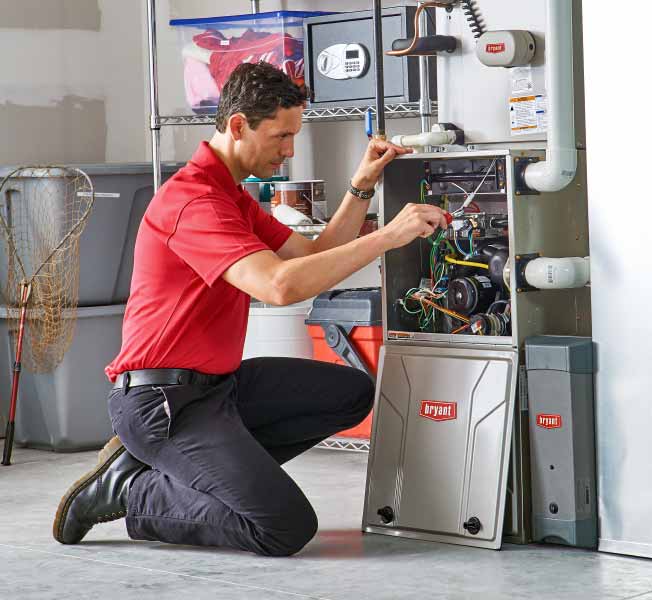
Heat Pump Frozen? Expert Service in Gainesville, GA
Seeing frost on your outdoor unit during a cold Northeast Georgia morning can be normal—but a heat pump encased in thick ice is not. Light frost should clear during defrost cycles. Heavy ice that covers the outdoor coil, blocks the fan, or lingers for hours can point to airflow restrictions, drainage issues, sensor or defrost board faults, or refrigerant problems.
Air Conditioning Services provides professional heat pump repair in Gainesville, GA, and nearby communities. Our trained technicians evaluate defrost operation, sensors, refrigerant charge, and airflow conditions, explain what’s causing the ice buildup, and recommend the right fix for your equipment. If your heat pump is frozen or your home feels colder than it should, call Air Conditioning Services at 770-532-0731 for service.
Why Is My Heat Pump Frozen?
Heat pumps pull heat from outdoor air, which makes the outdoor coil run colder than the surrounding air. In cool, humid weather, moisture can condense and form frost. A timed or demand defrost cycle should periodically reverse the system, send warm refrigerant through the outdoor coil, and melt that light frost before normal heating resumes.
When defrost doesn’t clear the coil—or ice forms faster than it melts—the system can freeze up.
Common reasons for excessive ice buildup include:
- Blocked airflow around the outdoor unit (debris, covers, snow, or vegetation)
- Fan motor or blade issues preventing air from moving across the coil
- Faulty temperature sensor or defrost board preventing proper defrost
- Drainage problems that re-freeze water at the base of the unit
- Low refrigerant charge or a metering device (TXV) problem lowering coil temperature
- Dirty outdoor coil restricting heat transfer
Some checks are safe for homeowners, like clearing obstructions. Electrical diagnostics, refrigerant work, and control troubleshooting should be handled by a qualified HVAC professional.
Safe Checks to Try First
Before scheduling a repair, take a few minutes to look for simple, low-risk causes. Do not chip ice with tools, open electrical panels, spray water into the unit, or attempt refrigerant or control work.
Confirm Thermostat Settings
Set the thermostat to Heat and choose a temperature a few degrees above the current room reading. If your thermostat has an emergency heat option, use it only if the outdoor unit is heavily iced and you’re waiting for service, as this bypasses the heat pump.
If the thermostat is blank or unresponsive, replace batteries if applicable and verify settings. If the system still doesn’t heat or initiate defrost, contact a technician to evaluate controls and communication.
Check the Circuit Breaker
Locate your electrical panel and look for the breakers serving the heat pump air handler and outdoor unit. A tripped breaker may sit between the “On” and “Off” positions. Move it fully to “Off,” then back to “On” once.
If a breaker trips again, do not keep resetting it. Repeated trips can indicate a failing fan motor, shorted wiring, or a control fault that needs professional diagnosis.
Also verify the outdoor disconnect is on. Do not power the unit if you hear unusual electrical noises, smell burning, or see damaged wiring.
Clear Airflow Around the Unit
Restricted airflow can cause rapid icing. Gently remove leaves, mulch, or snow from the coil guard and maintain at least 18–24 inches of clearance on all sides and 5 feet above. Do not use a cover while running the system.
Ensure the outdoor unit sits level and elevated enough for meltwater to drain away. Standing water that refreezes can lock the unit in ice.
Observe a Defrost Cycle
During defrost, the outdoor fan typically stops, steam may rise, and the unit will sound different for several minutes before returning to heat. If no defrost occurs over an hour of operation in frosty conditions—or ice remains thick after multiple cycles—service is needed.
If these basic checks don’t help or ice is severe, switch to emergency heat if available and schedule heat pump service.

Common Causes of Excessive Ice
Fan or Airflow Problems
The outdoor fan must move air across the coil to prevent excessive icing. A failing fan motor, damaged blade, obstructed grille, or debris-packed coil will drop airflow and allow ice to accumulate rapidly.
Symptoms include a fan that won’t spin, spins slowly, or makes scraping noises, plus heavy ice on one side of the unit. A technician can inspect the motor, capacitor, blade balance, and coil cleanliness and restore proper airflow.
Defrost Sensor or Board Faults
The defrost board uses inputs from temperature and time sensors to decide when to reverse the valve and melt frost. If the sensor is out of calibration, wiring is damaged, or the board fails, the unit may skip or cut short defrost cycles.
Signs include persistent ice, no fan pause during defrost, or repeated short defrosts that don’t clear the coil. Professional testing verifies sensor resistance, board outputs, and reversing valve operation.
Drainage and Re-freeze
As frost melts, water should run away from the base. Poor slope, clogged base pan holes, or a blocked drain path can trap water that re-freezes into a solid block around the unit.
A technician will clear drain ports, ensure the unit is level and elevated, and improve site drainage so meltwater doesn’t return as ice.
Low Refrigerant or TXV Issues
Undercharge or a sticking thermostatic expansion valve (TXV) can drive outdoor coil temperatures too low, creating thick ice even in mild weather. This often pairs with weak indoor heat and longer run times.
Licensed HVAC professionals check superheat/subcooling, look for leaks, assess accumulator health, and correct the charge or metering device issue to protect the compressor and stop freeze-ups.
Safe De-icing and When to Shut Down
Never chip or pry ice from the coil or fan. If the unit is encased in ice, switch to emergency heat (if available) and shut off power to the outdoor unit. You may gently use lukewarm—not hot—water to help melt surface ice, keeping water away from electrical components.
If ice returns quickly, or defrost never engages, stop using the outdoor unit and call Air Conditioning Services (ACS). Prompt service prevents compressor damage and restores reliable heating. For related concerns, see our Heat Pump Not Heating or Thermostat Says Heat Is On But House Is Cold pages.
When a Frozen Heat Pump Is an Emergency
Light frost on the outdoor coil during cold, damp weather is normal and typically clears during the unit’s defrost cycle. However, certain ice conditions demand urgent attention. Treat heavy ice encasing the outdoor coil, a stopped outdoor fan with ice on the blades, electrical burning smells, sparking, or repeated breaker trips as emergencies.
If you see smoke, smell burning, or the breaker keeps tripping, switch the heat pump off at the thermostat and breaker. If water is backing up toward the home or walkways are dangerously slick from defrost runoff, keep people clear of the area. Never chip at the coil with tools, pour boiling water on the unit, or keep the system running when the fan is blocked by ice.
Excessive ice can damage the outdoor coil, fan motor, and refrigerant components, and the strain may trip safety devices. If the system uses auxiliary electric heat and you suspect a wiring or control fault, err on the side of caution and shut it down. Suspected carbon monoxide concerns relate to fuel-burning appliances; while heat pumps are electric, homes with backup gas equipment should follow all CO safety guidance and seek fresh air if a CO alarm sounds.
Install and maintain carbon monoxide detectors if your home has any gas, oil, or wood-burning appliances. Have all heating equipment—especially dual-fuel systems—inspected annually by a qualified professional.
Call Air Conditioning Services promptly for professional help when:
- Thick ice fully covers the outdoor coil or cabinet and does not melt after several defrost cycles.
- The outdoor fan will not spin or is striking ice, causing vibration or noise.
- The breaker trips repeatedly when the heat pump or defrost cycle starts.
- You notice electrical odors, smoke, or signs of overheating.
- Water from defrosting is pooling around the home or creating a hazard.
- The home is getting colder even though the thermostat calls for heat, especially with infants, older adults, pets, or medically vulnerable people present.
What to Expect During Frozen Heat Pump Service
Professional service begins with a targeted diagnostic of the outdoor unit, controls, and airflow—guesswork is avoided. Your ACS technician will evaluate why frost isn’t clearing and whether the system is safe to run.
Depending on symptoms and weather conditions, the inspection may include:
- Thermostat settings, defrost initiation timing, and low-voltage control signals
- Power supply, breakers, contactor, and electrical connections at the outdoor unit
- Outdoor fan motor, fan blade condition, and airflow clearance around the unit
- Coil surface, ice thickness, and sensor placement on the outdoor coil
- Defrost board operation, temperature sensor readings, and reversing valve function
- Refrigerant charge, accumulator condition, and metering device (TXV or piston) performance
- Condensate and defrost water drainage away from the pad and foundation
- System cycling, defrost termination, and auxiliary heat staging
Air Conditioning Services provides maintenance, repair, and replacement guidance for heat pumps. Our trained, background-checked technicians resolve issues such as persistent ice buildup, airflow blockages, control and sensor faults, and low refrigerant concerns. If your home feels cold even when the thermostat says heat is on, we can help determine whether it’s related to defrost performance or another heat pump issue.
Prevent a Frozen Heat Pump Before It Happens
Seasonal heat pump maintenance is the best defense against problematic ice. A thorough tune-up verifies defrost timing, confirms accurate coil sensor readings, checks refrigerant charge and metering device health, inspects the outdoor fan motor and blade, and ensures the unit can shed water properly during thaw cycles.
You can also help protect your system by:
- Keeping 18–24 inches of clearance around the outdoor unit and clearing leaves, snow, and debris
- Ensuring the unit sits level with a clear drainage path so defrost water can run off and not refreeze
- Replacing air filters regularly to maintain proper indoor airflow and coil temperatures
- Gently removing loose snow with a broom—never chisel ice or use hot water on the coil
- Watching for repeated long defrosts, steam without melt, fan stalls, or growing ice after a cycle
- Scheduling professional service before freezing weather to confirm defrost board and sensor operation
Don’t wait for ice to damage the fan, coil, or controls. Early service can restore efficient defrosting, reduce strain on components, and prevent a minor frost issue from becoming a costly repair.
Call Air Conditioning Services for Heat Pump Help
If your heat pump is icing up in Gainesville, GA, Air Conditioning Services can diagnose the cause and get your system defrosting correctly. From airflow and drainage problems to defrost board faults, sensor issues, and refrigerant concerns, our team provides expert troubleshooting to protect your comfort.
Call Air Conditioning Services at 770-532-0731 to schedule heat pump service in Gainesville, GA, or the surrounding Northeast Georgia area.
Open 7AM - 5PM Monday-Friday
Quick Contact Form
Make a Payment

Our Service Area
We have happy customers all around the Northeast Georgia area. We’ve provided HVAC services for homes and businesses in:
· Hall County: Clermont, Flowery Branch, Gainesville, Lula, & Oakwood
· Habersham County: Alto, Baldwin, Clarkesville, Cornelia, Demorest, Mount Airy & Tallulah Falls
· Gwinnett County: Dacula, Sugar Hill, Buford, Lawrenceville
· Jackson County: Pendergrass, Arcade, Braselton, Commerce, Hoschton, Jefferson, Maysville, Nicholson & Talmo
· Stephens County: Martin & Toccoa
· Dawson County: Dawsonville
· Lumpkin County: Dahlonega
· Forsyth County: Cumming
Contact us today when you need HVAC services you can trust.