
Should I Repair or Replace My Furnace? | ACS
Should I Repair or Replace My Furnace? Compare age, repair cost, safety, efficiency, and reliability. Call Air Conditioning Services in Gainesville, GA today.
Should I Repair or Replace My Furnace?
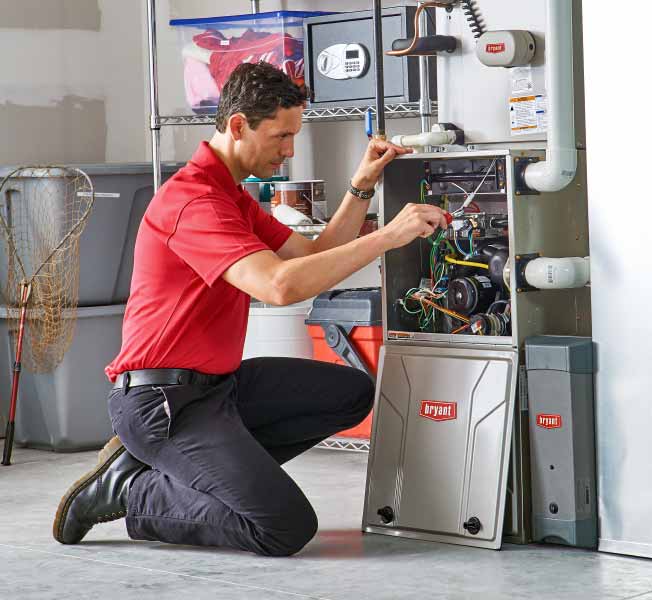
A furnace breakdown often creates an important question: should you repair the current system or replace it with a new one? The best answer depends on the furnace’s age, condition, repair history, safety, efficiency, and the cost of restoring dependable heat.
For many Gainesville, GA, homeowners, a targeted repair is the most sensible solution. A furnace with a worn igniter, dirty flame sensor, thermostat issue, or airflow restriction may be repairable and may continue serving the home reliably. However, an older furnace with frequent breakdowns, major component failure, rising operating costs, or a confirmed safety concern may be a better candidate for replacement.
Air Conditioning Services helps homeowners and businesses make informed decisions about furnace repair and replacement. Our team evaluates the problem, explains the available options, and recommends a path based on the system’s actual condition—not a one-size-fits-all sales approach. Call 770-532-0731 to schedule furnace service in Gainesville, GA, and Northeast Georgia. ACS provides furnace repair, maintenance, installation, and replacement for residential and commercial customers.
Start With an Accurate Diagnosis
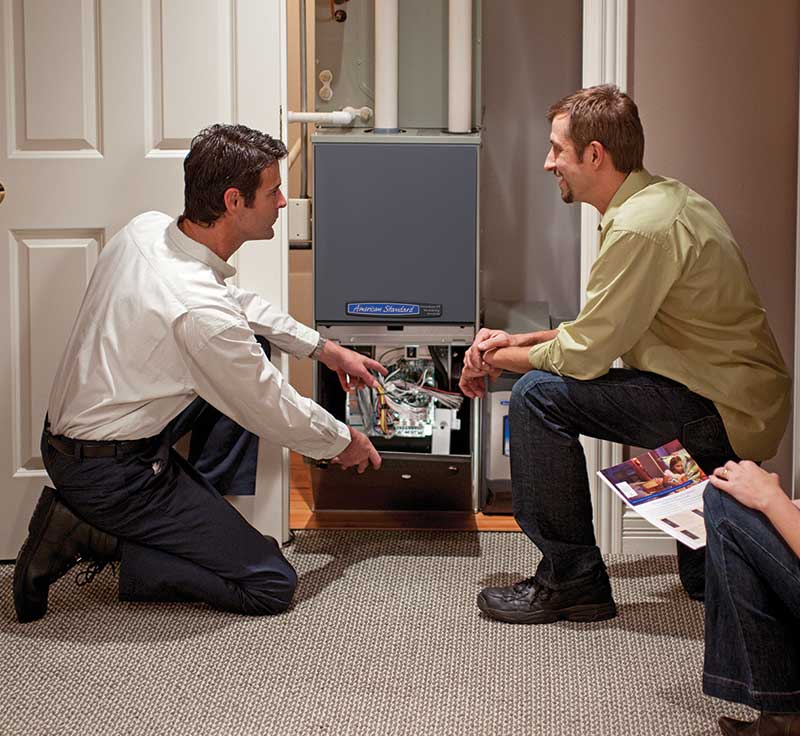
The repair-or-replace decision should begin with identifying the exact cause of the furnace problem. Similar symptoms can come from very different issues.
For example, a furnace that will not turn on could have:
- An incorrect thermostat setting or thermostat communication issue
- A tripped breaker or power interruption
- A dirty air filter causing overheating
- A failed igniter
- A dirty or malfunctioning flame sensor
- A clogged condensate drain
- A defective pressure switch, limit switch, or control board
- A blower motor or capacitor problem
- A gas valve, burner, or venting-related concern
Not every problem means the furnace has reached the end of its useful life. A trained HVAC technician can test the equipment, inspect safety components, evaluate airflow and electrical operation, and determine whether the repair is isolated or part of a broader pattern of system decline.
Air Conditioning Services works with furnaces across makes and models and can diagnose concerns such as inconsistent heat, cool air from vents, strange sounds, and other heating problems.
When Furnace Repair Makes Sense
Repair is usually a practical choice when the issue is limited, the furnace is not near the end of its service life, and the repair is expected to restore safe, dependable operation.
You may want to repair your furnace if:
- The furnace is relatively new or has been well maintained.
- This is the first significant repair in several years.
- The needed repair is minor, such as an igniter, flame sensor, capacitor, thermostat, or electrical connection.
- The furnace heats evenly and has otherwise performed reliably.
- Your energy use has remained reasonably consistent.
- Replacement parts are available and reasonably priced.
- There are no serious combustion, venting, electrical, or safety concerns.
- The furnace is correctly sized for your home.
A repair can be especially worthwhile when it resolves a single failed component. For instance, a modern furnace may fail to ignite because its hot-surface igniter has worn out. Replacing that part, inspecting burner operation, and verifying safe cycling may restore the system without the need to invest in complete replacement.
The same is true for a dirty flame sensor. This small component confirms that the burners have lit correctly. When it is dirty or failing, the furnace may ignite briefly and then shut down as a safety response. A technician can determine whether sensor service is the complete solution or whether other combustion or control issues are contributing to the shutdown.

When to Replace Your Furnace
A furnace replacement may be a more financially sound and reliable choice when the system is older, needs expensive repairs, breaks down repeatedly, or cannot safely and efficiently heat your home.
Consider replacement when:
- Your furnace is more than 15 years old and requires a significant repair.
- You have needed multiple repairs over the last one to two heating seasons.
- A major component, such as the heat exchanger, blower motor, control board, or gas valve, has failed.
- Repair costs are a large percentage of the cost of a new furnace.
- Heating bills are climbing even though your comfort has declined.
- Your furnace runs constantly, short cycles, or fails to keep rooms evenly warm.
- The equipment makes repeated loud noises, such as banging, grinding, rattling, or squealing.
- Parts are obsolete, difficult to locate, or no longer cost-effective to install.
- Your furnace is improperly sized for the home.
- You are planning a remodel, home addition, or ductwork improvement that will change your heating needs.
ENERGY STAR recommends considering furnace replacement once a furnace or boiler is more than 15 years old. It notes that an ENERGY STAR-qualified furnace can be approximately 15 percent more efficient than a conventional furnace, although actual savings depend on the equipment selected, installation quality, home efficiency, local energy prices, and household heating habits.
Age alone does not require replacement. A well-maintained furnace may remain a reasonable repair candidate after 15 years, while a poorly maintained younger system may require a more detailed replacement discussion. The decision should weigh the cost and expected benefit of repair against the likelihood of further breakdowns and the long-term value of a new system.
Compare Repair and Replacement
Decision factor |
Repair may make sense |
Replacement may make sense |
|
Furnace age |
The system is relatively new or has a strong maintenance history |
The system is around 15 years old or older and experiencing significant problems |
|
Repair history |
This is the first major repair in years |
You are scheduling repeated repairs or facing seasonal breakdowns |
|
Repair scope |
The problem is a limited component failure |
The system needs a major component or multiple repairs |
|
Comfort |
The home heats evenly after service |
Cold spots, weak airflow, short cycling, or inconsistent heat persist |
|
Energy use |
Bills and runtime are stable |
Heating costs rise while comfort falls |
|
Parts |
The needed part is readily available |
Parts are obsolete, expensive, or difficult to source |
|
Safety |
No combustion, venting, or electrical hazard is present |
A heat exchanger, venting, rollout, gas, or electrical safety concern is confirmed |
|
Home plans |
You may move soon or need a shorter-term solution |
You expect to remain in the home and want greater reliability and efficiency |
A common rule of thumb is to compare the furnace’s age with the repair cost, but this should only be used as a conversation starter. For example, some sources suggest multiplying the age of the equipment by the repair estimate. If the result is above $5,000, replacement may be worth considering. However, that guideline does not account for the furnace’s maintenance record, safety condition, local installation costs, warranty status, comfort performance, or your individual plans for the property. Treat it as a rough screening tool—not a replacement for a professional assessment.
Safety Issues Can Change the Decision
Some furnace concerns should never be delayed for cost-comparison purposes. A technician may recommend shutting down equipment or replacing it when there is a confirmed safety issue involving combustion, venting, gas, electrical components, or a damaged heat exchanger.
Contact emergency services or your gas utility from outside the property if you smell gas, hear a carbon monoxide alarm, see smoke, or believe there is an immediate gas-related hazard. Do not attempt to restart the furnace, use electrical switches, light a match, or troubleshoot a suspected gas leak on your own.
A furnace replacement discussion may be appropriate if the technician identifies:
- A cracked or compromised heat exchanger
- Exhaust or combustion venting problems
- Repeated rollout-switch activation
- Serious burner or gas-valve concerns
- Electrical damage or recurring breaker trips
- Conditions that prevent the furnace from operating safely
The technician should explain the findings clearly, including why the problem matters, whether repair is technically possible, and what solutions are available.
Benefits of a New Furnace
A properly selected and professionally installed furnace can provide more than a solution to an immediate breakdown. Depending on your current equipment and the system chosen, replacement may improve your home’s reliability, temperature consistency, energy performance, and control options.
Potential benefits include:
- Fewer unexpected repairs associated with aging equipment
- More dependable heating during colder weather
- Improved energy efficiency compared with an older, less efficient furnace
- Better airflow and more consistent room-to-room temperatures
- Compatibility with modern programmable or smart thermostats
- New equipment warranty coverage
- The ability to correct previous sizing, installation, or ductwork concerns
Proper sizing is critical. Installing a larger furnace is not automatically better. An oversized unit may cycle too often, while an undersized unit can struggle to keep up. A professional installation assessment should consider the home’s layout, insulation, windows, ductwork, building envelope, and heating load before recommending capacity and equipment type.
ACS provides heating-system installation and replacement support, helping customers evaluate furnace size and system options for their specific property.
Questions to Ask Before Deciding
A trustworthy repair-or-replace recommendation should give you enough information to choose with confidence. Ask your HVAC technician:
- What specific component or condition caused the furnace problem?
- Is the recommended repair expected to resolve the underlying cause?
- How old is my furnace, and how does its condition compare with its typical service expectations?
- Have repeated repairs or performance problems changed the value of keeping the current system?
- Are there any current or potential safety concerns?
- What would the repair cost include, and is there a warranty on parts or labor?
- If replacement is recommended, why is it preferable to repair in this situation?
- What furnace size and efficiency level fit my home’s needs?
- Will the replacement require ductwork, electrical, venting, thermostat, or drainage modifications?
- What maintenance will help protect the repaired or replacement system?
These questions help ensure the choice is based on documented system condition, not simply the immediate inconvenience of a no-heat event.
Extend Your Furnace’s Service Life
Although no furnace lasts forever, routine maintenance and prompt repairs can help preserve performance and identify problems early. Seasonal maintenance may include inspecting heating operation, checking electrical connections, evaluating airflow, examining burners and ignition components, verifying safety controls, and reviewing the condition of filters and drainage components.
Homeowners can also support furnace performance by:
- Replacing filters on a regular schedule
- Keeping supply registers and return grilles open and unobstructed
- Keeping the area around the furnace clear of stored items and combustible materials
- Scheduling service when new noises, odors, short cycling, or comfort problems appear
- Testing carbon monoxide alarms according to the manufacturer’s instructions
- Arranging maintenance before the colder part of the heating season
ACS offers furnace maintenance, repair, installation, and replacement services for Gainesville, GA, homes and businesses.
Schedule Furnace Service in Gainesville, GA
If you are wondering, “Should I repair or replace my furnace?” Air Conditioning Services can provide the straightforward answers you need. Our team will inspect the equipment, identify the cause of the problem, explain your repair and replacement options, and help you select a solution that supports safe, reliable comfort.
Call Air Conditioning Services at 770-532-0731 to schedule furnace repair, maintenance, or replacement service in Gainesville, GA, and the surrounding Northeast Georgia area.
Open 7AM - 5PM Monday-Friday
Quick Contact Form
Make a Payment
Our Service Area
We have happy customers all around the Northeast Georgia area. We’ve provided HVAC services for homes and businesses in:
· Hall County: Clermont, Flowery Branch, Gainesville, Lula, & Oakwood
· Habersham County: Alto, Baldwin, Clarkesville, Cornelia, Demorest, Mount Airy & Tallulah Falls
· Gwinnett County: Dacula, Sugar Hill, Buford, Lawrenceville
· Jackson County: Pendergrass, Arcade, Braselton, Commerce, Hoschton, Jefferson, Maysville, Nicholson & Talmo
· Stephens County: Martin & Toccoa
· Dawson County: Dawsonville
· Lumpkin County: Dahlonega
· Forsyth County: Cumming
Contact us today when you need HVAC services you can trust.