


Heater Making Loud Noise | Air Conditioning Services
Heater making loud noise in Gainesville, GA? Air Conditioning Services pinpoints the sound and fixes the root cause fast. Call 770-532-0731 today.
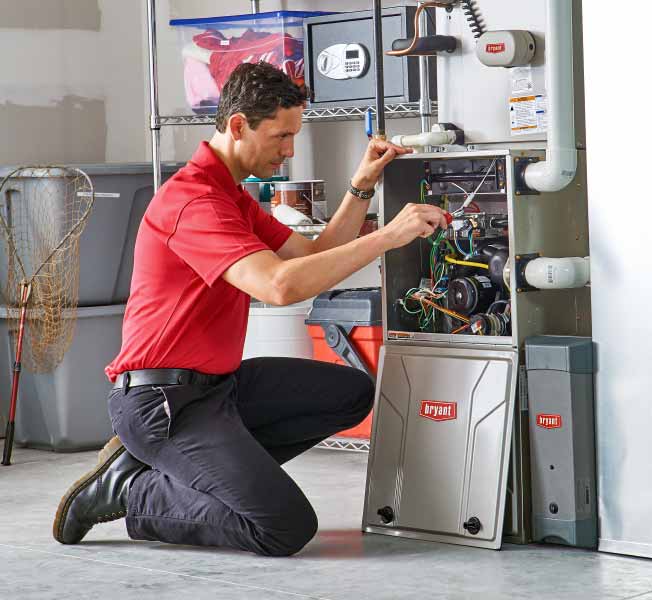
Heater Making Loud Noise? Expert Repair in Gainesville, GA
Loud or unusual heater noises can be more than annoying—they often warn of wear, loose parts, airflow restrictions, or combustion issues that can lead to breakdowns. Depending on the sound, you could be dealing with delayed ignition booms, blower or motor bearing noise, rattling panels or duct vibration, whistling from air leaks, or grinding from a failing blower wheel.
Air Conditioning Services provides professional heater diagnostics and repair in Gainesville, GA, and nearby communities. Our trained technicians identify the sound, trace it to the exact component, and recommend a safe, lasting repair. If your heater is banging, squealing, rattling, whistling, or grinding, call Air Conditioning Services at 770-532-0731 for prompt service.
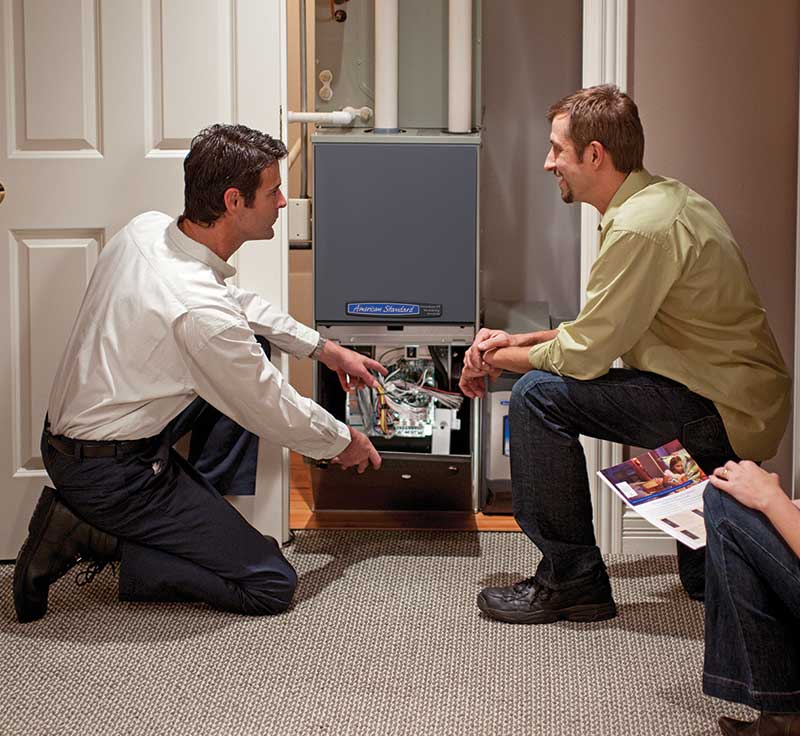
What’s Causing the Loud Noise?
Different heater sounds point to different issues. On a gas furnace, the start of a heat cycle involves the inducer motor, ignition, gas valve, burner flame, and finally the blower. Problems in any of these steps—or within the duct system—can create distinct noises that help narrow the cause.
Knowing the sound and when it occurs helps target the fix.
Common heater noise sources include:
- Banging or booming at startup from delayed ignition or burner buildup
- Squealing or screeching from worn blower motor bearings or a slipping belt (older units)
- Rattling and vibration from loose panels, fasteners, or ductwork
- Whistling from closed vents, a dirty filter, or air leaks at ducts
- Grinding or rumbling from a failing motor, misaligned blower wheel, or burner issues
- Heat pump-specific noises, including normal defrost whooshes versus abnormal metallic sounds
Some sounds can be addressed with simple homeowner checks. Others involve gas combustion, electrical components, or moving parts and should only be handled by a qualified HVAC professional.
Safe Checks to Try First
Before scheduling a heater repair, you can safely rule out a few common, low-risk noise causes. Do not remove burner covers, reach into moving parts, bypass safety switches, adjust gas components, or open sealed electrical compartments.
Confirm Airflow Basics
Make sure the thermostat is calling for heat and the fan is set to Auto. Open supply vents and return grilles throughout the home; do not close more than 20 percent of registers. Closed vents and blocked returns can cause whistling, vibration, and pressure-related noise.
Replace a dirty air filter with the correct size and type. A clogged filter increases static pressure, often causing whistling, rumbling, and blower strain. If noise persists after restoring airflow, schedule service.
Check the Circuit Breaker
Locate your electrical panel and verify the breaker for the heater or HVAC equipment is fully On. A weak or tripping breaker can cause loud humming or chattering relays as components try to start without adequate power. Reset once if it’s between positions.
If the breaker trips again, do not continue resetting it. Repeated trips can indicate a failing motor, seized blower wheel, or wiring fault that requires professional diagnosis.
Also verify the nearby furnace or air handler power switch is On. If you smell gas, hear a sharp boom at startup, or suspect an electrical hazard, turn the system Off and call for service immediately.
Inspect the Air Filter
A severely clogged filter can cause whistling, blower roar, and duct rumble by restricting airflow. Prolonged restriction can overheat components and stress motors.
If accessible, remove and inspect the filter. Replace if dirty and ensure the arrow on the filter frame points toward the blower. Keeping the area around the heater clear also helps reduce vibration and airflow noise.
Make Sure Panels Are Secure
Loose blower or burner compartment doors can rattle loudly and transmit vibration into nearby framing or ductwork. Many units use a door switch that must be fully engaged.
Turn off power before reseating an accessible panel. Ensure all tabs and screws are tight. Never operate the heater with panels removed—exposed moving parts and combustion areas are hazardous.
Check Vents and Returns
Confirm furniture, rugs, or curtains are not blocking airflow. Whistling and rattling often subside when vents are fully open and unobstructed. Slightly opening closed interior doors can also balance airflow and reduce duct noise.
If these basic checks do not quiet the system—or you hear banging, grinding, or strong metallic sounds—schedule professional service promptly.

Diagnosing Specific Heater Noises
Banging or Booming on Startup (Delayed Ignition)
A sharp bang or boom when the furnace starts can signal delayed ignition from dirty burners, misaligned igniters, or weak flame carryover. Gas can accumulate briefly before lighting, creating a small explosion that stresses the heat exchanger.
If you hear a boom at startup, shut the heater down and call a professional. ACS technicians clean the burner assembly, inspect the igniter and flame sensor, verify inducer and draft performance, and set proper gas pressure to prevent recurrence.
Squealing or Screeching (Belts, Bearings)
High-pitched squeals often come from worn blower motor bearings or a slipping belt on older units. Bearings can dry out and howl as the motor spins; belts glaze and squeal under load.
We check motor endplay, bearing noise, and amp draw; inspect pulleys and belt tension; and correct alignment or replace worn parts. Prompt repair prevents overheating and motor failure.
Rattling and Vibration (Panels, Ductwork)
Loose cabinet panels, unsecured screws, unbalanced blower wheels, and thin ductwork can buzz or rattle as the blower ramps up. Nearby refrigerant lines on heat pumps may also transmit vibration into walls.
ACS tightens fasteners, adds vibration isolation, balances or replaces damaged blower wheels, and secures duct connections. We can add bracing or mastic to noisy ducts and cushion lineset contact points for a quieter system.
Whistling (Air Leaks, Closed Vents, Dirty Filter)
Persistent whistling points to high static pressure or air leaks. Common culprits include a clogged filter, too many closed registers, undersized returns, or gaps at the furnace cabinet or duct joints.
Our team measures static pressure, checks return sizing, seals leaks with mastic or foil tape, and restores proper airflow. These corrections reduce noise and protect the heat exchanger and blower from undue stress.
Grinding or Rumbling (Motor, Blower Wheel, Burner)
Grinding usually indicates a failing blower motor or a blower wheel scraping the housing due to a loose set screw or bent fins. Low, ongoing rumble can also indicate burner instability or a failing inducer motor.
Turn the system off if you hear grinding. ACS inspects the motor bearings, mounts, and wheel alignment; replaces worn components; and evaluates burner operation and draft to resolve combustion-related rumble.
Heat Pump-Specific Noises vs. Normal Defrost
Heat pumps can make a whoosh and momentary humming as the reversing valve shifts into defrost. Steam rising from the outdoor unit can be normal during this cycle. However, loud metallic clanks, continuous grinding, or fan blade scraping are not normal.
We differentiate normal defrost sounds from issues like outdoor fan obstruction, failing fan motors, or ice causing blade contact. If your heat pump isn’t heating well in addition to noise, we can evaluate refrigerant charge and defrost control. For frequent shutdowns, see our Furnace Keeps Turning Off page; for odors, visit Burning Smell From Furnace.
When a Loud Heater Noise Is an Emergency
Not every unusual sound calls for a late-night visit, but some noises signal urgent safety risks. Treat any loud banging with a gas smell, persistent rumbling after the burner shuts off, arcing or electrical popping, smoke, or repeated breaker trips as an emergency.
Evacuate and call emergency services or your gas utility from outside if you smell gas, see smoke, or your carbon monoxide alarm sounds. Do not flip light switches, use appliances, light a match, start a vehicle in an attached garage, or attempt to restart the heater.
Carbon monoxide is invisible and odorless, and exposure can cause headache, nausea, confusion, or loss of consciousness. The Environmental Protection Agency advises getting to fresh air immediately and seeking medical care if poisoning is suspected. It also recommends that all fuel-burning equipment, including gas furnaces, be professionally inspected before each heating season.
The CDC recommends installing battery-operated or battery-backup carbon monoxide detectors near sleeping areas and having gas, oil, or coal-fired heating equipment serviced by a qualified technician every year.
Call Air Conditioning Services promptly if you notice:
- Explosive bangs or booms at startup that shake the ducts (possible delayed ignition).
- Loud screeching, squealing, or metal-on-metal sounds from the blower or motor.
- Harsh grinding, rumbling, or vibration that worsens with airflow.
- Whistling from vents or the furnace cabinet along with poor airflow.
- Electrical burning smells or the breaker tripping repeatedly.
- Water pooling around the furnace or heat pump air handler.
- Cold-sensitive occupants—infants, older adults, pets, or those with medical needs—are affected by unsafe temperatures.
What to Expect During Loud-Noise Heater Repair
A professional visit starts with targeted diagnostics, not parts swapping. Your technician will trace the source of the sound—startup, blower ramp-up, burner operation, or shutdown—to pinpoint the mechanical, airflow, combustion, or electrical cause.
Based on the noise you report, the evaluation may include:
- Thermostat commands, staging, and low-voltage control signals
- Power supply, switches, breakers, and high-voltage/equipment grounding
- Filter condition, static pressure, blower speed/tap, and duct restrictions
- Inducer motor, igniter, burner assembly, and flame sensor for delayed ignition
- Blower wheel balance, set screws, motor bearings, and belt condition (when applicable)
- Pressure and limit switches, rollout safety, and door interlock operation
- Condensate traps, drains, and secondary heat exchanger noise on high-efficiency units
- Vent and combustion air, draft performance, and normal vs abnormal system cycling
- Control board logic, relays, transformer hum, gas valve modulation, and related components
Air Conditioning Services provides expert maintenance and repair for heaters that are making loud noises, including banging/booming, squealing, rattling, whistling, grinding, and heat pump-specific sounds. Our trained, background-checked technicians service residential and commercial systems and can also advise on replacement when noise stems from advanced wear. If the loud noise accompanies short cycling or a burning odor, we can address those related concerns as well.
Prevent Loud Heater Noises Before They Start
Proactive maintenance is the best defense against disruptive heater sounds. A seasonal tune-up can catch misaligned blower wheels, failing bearings, dirty burners that cause delayed ignition booms, restricted airflow, loose panels, and vibrating ductwork before they turn into costly repairs.
You can also reduce noise by:
- Checking and replacing the air filter regularly to prevent whistling and blower strain
- Keeping the furnace area clear to avoid panel vibration and overheating risks
- Ensuring supply and return vents are open and unobstructed to lower static pressure
- Listening for new squeals, rattles, or rumbles and scheduling service early
- Testing carbon monoxide alarms per the manufacturer’s instructions
- Booking professional service before cold weather to verify ignition, inducer, and blower operation
Don’t wait for a loud bang or grinding noise to sideline your system. Early attention preserves comfort, protects motors and burners, and often turns a simple adjustment into real savings.
Call Air Conditioning Services for Noisy Heater Repair
If your heater is making a loud noise in Gainesville, GA, Air Conditioning Services can determine what’s causing it and restore quiet, reliable performance. From delayed ignition booms and blower bearing squeals to duct vibration and heat pump noises, our team provides precise diagnostics and lasting repairs.
Call Air Conditioning Services at 770-532-0731 to schedule heater noise troubleshooting and repair in Gainesville, GA, or the surrounding Northeast Georgia area.
Open 7AM - 5PM Monday-Friday
Quick Contact Form
Make a Payment

Our Service Area
We have happy customers all around the Northeast Georgia area. We’ve provided HVAC services for homes and businesses in:
· Hall County: Clermont, Flowery Branch, Gainesville, Lula, & Oakwood
· Habersham County: Alto, Baldwin, Clarkesville, Cornelia, Demorest, Mount Airy & Tallulah Falls
· Gwinnett County: Dacula, Sugar Hill, Buford, Lawrenceville
· Jackson County: Pendergrass, Arcade, Braselton, Commerce, Hoschton, Jefferson, Maysville, Nicholson & Talmo
· Stephens County: Martin & Toccoa
· Dawson County: Dawsonville
· Lumpkin County: Dahlonega
· Forsyth County: Cumming
Contact us today when you need HVAC services you can trust.