
Heat Pump Not Heating | Air Conditioning Services
Heat pump not heating in Gainesville, GA? Air Conditioning Services (ACS) pinpoints the issue and gets your system delivering warm air again. Call 770-532-0731 today.
Heat Pump Not Heating? Expert Service in Gainesville GA
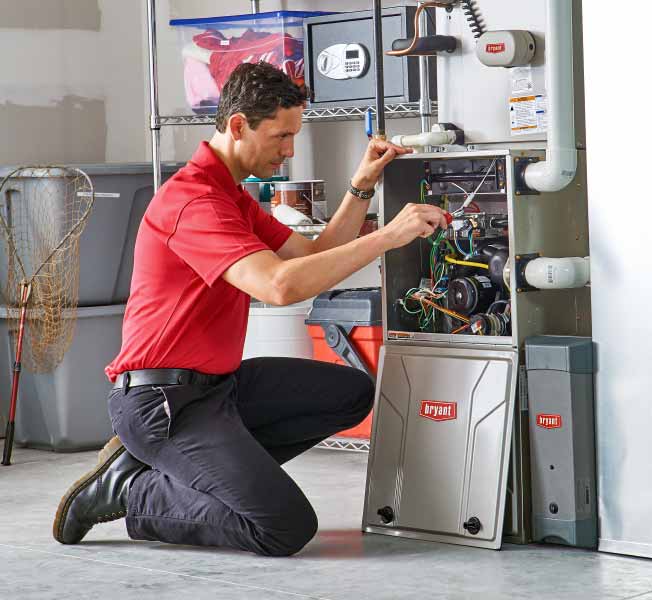
When your heat pump runs but the air feels cool, your home can chill quickly—especially on cold Northeast Georgia mornings and evenings. Sometimes the fix is simple, like incorrect thermostat mode or a tripped breaker. Other times, the cause involves the reversing valve, a failed defrost component, low refrigerant, a sensor error, airflow restrictions, or an auxiliary heat problem.
Air Conditioning Services (ACS) provides skilled heat pump repair in Gainesville, GA, and nearby communities. Our trained technicians verify operation in heating mode, assess the outdoor and indoor units, and explain exactly why your system isn’t producing heat. If your heat pump won’t warm the house or keeps blowing lukewarm air, call Air Conditioning Services at 770-532-0731 for prompt help.
Why Your Heat Pump Runs but Doesn’t Heat
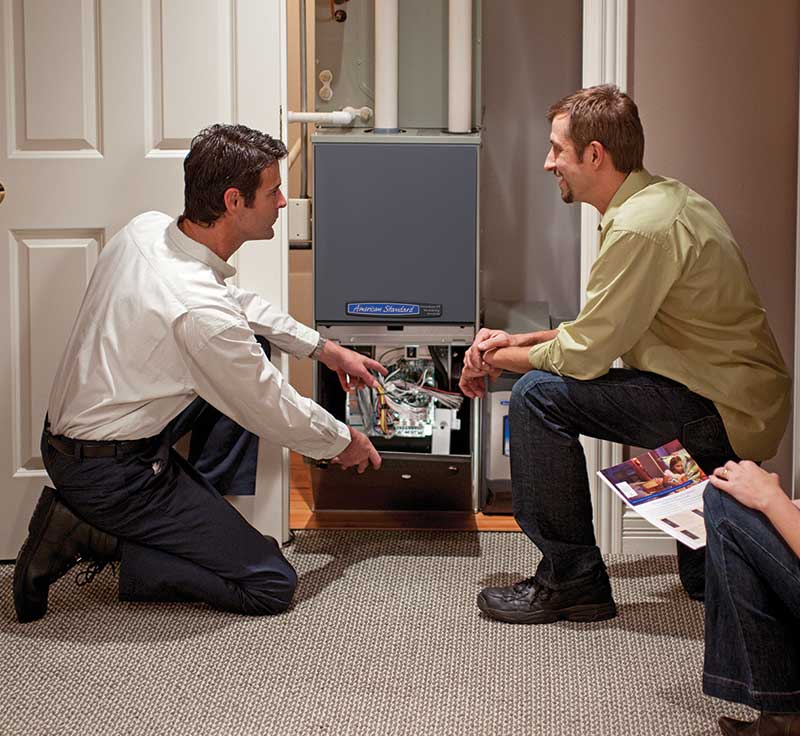
A heat pump must switch into heating mode and move heat from the outdoors to the indoors. The thermostat calls for heat, the control board energizes the reversing valve (depending on model), the outdoor unit runs as an evaporator, the indoor coil becomes the condenser, and the air handler circulates warm air through your ducts. During cold, damp weather, the system also uses a defrost cycle to keep the outdoor coil clear of ice.
A problem anywhere in this process can leave you with cool or room-temperature air.
Common reasons a heat pump won’t heat include:
- Thermostat mode not set to Heat or incorrect setpoint
- Tripped breaker or outdoor disconnect issue
- Dirty air filter, blocked returns, or closed supply vents
- Reversing valve stuck between modes or not energizing
- Outdoor unit not running or defrost system malfunction
- Low refrigerant charge due to a leak
- Faulty temperature sensors or control board problems
- Auxiliary heat (heat strips) not engaging in low outdoor temps
- Frozen or dirty indoor/outdoor coils restricting heat transfer
Some checks are safe for homeowners. Issues involving refrigerant, electrical components, or the reversing valve require a qualified HVAC professional.
Quick Safety Checks Before You Call
Before scheduling heat pump repair, take a few minutes to rule out basic, low-risk causes. Do not open electrical panels, pierce refrigerant lines, bypass safety devices, or attempt to service the outdoor unit beyond visual checks.
Thermostat Mode and Setpoint: Heat vs. Cool
Set the thermostat to Heat and choose a temperature 3–5 degrees above the current room temperature. If your thermostat has Emergency Heat, leave it off for now—use it only if instructed or in very cold conditions. Set the fan to Auto rather than On to avoid circulating unheated air.
If the display is blank, dim, or showing a low-battery alert, replace batteries if applicable. Even if the screen looks normal, a wiring or communication fault can keep the system from heating; contact a technician if the heat pump still won’t warm after verifying settings.
Breaker and Disconnect: Power to Air Handler and Outdoor Unit
Locate the electrical panel and check breakers for the air handler and outdoor heat pump. A tripped breaker may sit between On and Off. Move it fully to Off, then back to On once.
If a breaker trips again, stop resetting it. Repeated trips suggest an electrical problem, seized motor, or short that needs professional diagnosis.
Also verify the outdoor service disconnect is fully seated and that any indoor power switch for the air handler is on. If you notice burning odors, buzzing, or visible damage, leave power off and call for service.
Air Filter and Indoor Coil: Restore Airflow
A clogged filter chokes airflow across the indoor coil, reducing heat output and potentially causing the system to short cycle. Severe restriction can also trigger safety limits in the air handler.
If accessible, remove and inspect the filter. Replace it with the correct size and MERV rating if it’s dust-laden. Regular changes help maintain airflow and support proper heating performance.
Panels and Door Switches on Air Handler
Air handlers and some outdoor units include door safety switches that prevent operation when panels are loose or missing. If a front panel is misaligned, your system may not run correctly.
Turn off power before reseating an accessible panel. Ensure it’s fully engaged. Never run your heat pump with panels removed.
Supply Vents and Returns: Open and Unblocked
Confirm supply registers and return grilles are open and clear of rugs, furniture, and drapes. Closing too many vents raises static pressure, reduces heat output, and can lead to icing at the outdoor unit in cold, humid weather.
If these quick checks don’t restore warmth, schedule heat pump service.

Typical Causes When No Heat Is Delivered
Reversing Valve Stuck or Not Energizing
The reversing valve directs refrigerant flow for heating or cooling. If it sticks or the solenoid fails, the system may stay in cooling mode or hover between modes, resulting in cool air. You might notice the outdoor unit running but indoor air not warming. A technician can test the valve and controls, verify voltage, and replace faulty components.
Because this repair involves refrigerant circuits and brazed connections, it should only be performed by a qualified HVAC professional.
Defrost Cycle Basics and Frosted Outdoor Coil
In cold, damp conditions, frost naturally forms on the outdoor coil. The heat pump periodically enters a defrost cycle to melt ice. If the defrost sensor, control board, or reversing sequence fails, the coil can ice over and starve the system of heat.
Symptoms include steam plumes that never appear in cold weather, a visibly iced outdoor unit, or prolonged cool air indoors. A technician will evaluate sensors, time/temperature algorithms, and the outdoor fan operation to restore proper defrost.
Low Refrigerant Charge or Poor Heat Transfer
Insufficient refrigerant from a leak, or dirty coils, reduces the system’s ability to absorb and deliver heat. You may feel lukewarm air, longer run times, and poor comfort.
Professionals will locate and repair leaks, verify superheat/subcooling, clean coils, and recharge to manufacturer specifications for safe, efficient heating.
Aux Heat/Heat Strips Not Coming On in Cold Weather
When outdoor temperatures drop near or below your heat pump’s balance point, auxiliary heat (heat strips) should assist. If the thermostat, relays, or strips fail, the system may run continuously without raising the temperature.
Technicians check thermostat staging, strip element resistance, breakers, and wiring to ensure aux heat engages safely when needed.
Sensors and Airflow: Thermistors, Coils, and Blower Issues
Restricted airflow from a dirty filter, blocked returns, closed vents, or a fouled indoor coil reduces heat output and can cause short cycling or safety trips. Faulty discharge-air or outdoor sensors can also mislead the control board, preventing adequate heating.
You may notice weak airflow, temperature swings, or frequent on/off cycles. An HVAC professional will assess static pressure, blower performance, duct conditions, coil cleanliness, and sensor calibration to restore consistent heat.
Heat Pump Emergencies: What’s Urgent
Most heat pump heating problems can wait for a scheduled visit, but some situations demand immediate attention. Treat anything involving electrical burning smells, visible smoke, sparking, tripped breakers that reset and trip again, or a system icing over to the point of blocking airflow as urgent.
If you see smoke, smell an electrical or burning odor, hear arcing or popping from the air handler or outdoor unit, or the breaker will not reset, shut the system off at the thermostat and breaker panel. Leave the area if smoke is present and call emergency services from a safe location. Do not attempt repeated restarts or open panels to investigate live electrical components.
While heat pumps do not burn fuel, attached homes may still have carbon monoxide risks from other appliances. If a carbon monoxide alarm sounds, follow the Environmental Protection Agency’s guidance to get fresh air immediately and contact emergency services. Have all fuel-burning appliances inspected annually by a qualified professional.
The CDC recommends installing battery-operated or battery-backup carbon monoxide detectors near sleeping areas and ensuring any gas, oil, or wood-burning equipment in the home is serviced yearly by a qualified technician.
Call Air Conditioning Services promptly for professional help when:
- Your heat pump runs but blows cool air and the home will not warm up.
- The outdoor unit ices over rapidly or never seems to defrost.
- You hear loud grinding, screeching, buzzing, or metal-on-metal noises.
- You smell persistent electrical or burning odors from the air handler or outdoor unit.
- The heat pump trips the breaker or GFCI repeatedly.
- You see water leaking from the air handler or excessive frost blocking the outdoor coil.
- Your home includes infants, older adults, pets, or medically vulnerable people affected by cold indoor conditions.
Your Heat Pump Repair Visit: What We Check
A professional heat pump visit starts with a targeted diagnosis. Your technician will confirm thermostat settings, check operation in heating mode, and test key components to determine why the system is not delivering warm air.
Depending on the equipment and symptoms, the inspection may include:
- Thermostat mode, setpoint, and low-voltage control signals (O/B reversing valve control)
- Electrical supply, breakers, disconnects, capacitors, contactor, and wiring integrity
- Air filter condition, blower performance, duct static pressure, and airflow restrictions
- Refrigerant pressures and temperatures, superheat/subcooling, and potential low charge
- Reversing valve operation, defrost control board, sensors/thermistors, and defrost cycle timing
- Indoor and outdoor coils for dirt, frost, or damage and proper fan operation
- Auxiliary heat/heat strips and relays in the air handler, including staging and safeties
- Drainage at the air handler, condensate safety switch, and overall system cycling
Air Conditioning Services offers comprehensive heat pump maintenance, repair, installation, and replacement guidance for residential and commercial customers. Our trained, background-checked technicians resolve issues like no heat in pump mode, frequent defrosting, weak airflow, and thermostat or sensor faults, and we provide seasonal tune-ups to help prevent breakdowns.
Avoid No-Heat Calls: Maintenance Tips
Routine heat pump maintenance is the best way to avoid a no-heat surprise. Seasonal service verifies correct thermostat programming, assesses airflow, cleans coils, checks the defrost system, and confirms proper refrigerant charge so your system can transfer heat efficiently.
You can also support reliable heating by:
- Checking and replacing the air filter regularly to maintain strong airflow
- Keeping supply and return vents open and unobstructed throughout the home
- Gently clearing leaves, dirt, and debris at least 2–3 feet around the outdoor unit
- Watching outdoor temperatures and knowing when auxiliary heat should engage
- Listening for new noises, noting longer run times, or spotting frequent defrosts
- Scheduling a professional tune-up before cold weather for coil cleaning and system testing
Don’t wait until the heat pump stops heating altogether. Early service can protect comfort, reduce energy use, and prevent minor issues—like a dirty coil or weak capacitor—from becoming costly repairs.
Call Air Conditioning Services for Heat Pump Repair
If your heat pump isn’t producing heat in Gainesville, GA, Air Conditioning Services can pinpoint the cause and restore dependable warmth. From thermostat and airflow checks to reversing valve, defrost control, refrigerant, electrical, and auxiliary heat issues, our team provides the expert troubleshooting your system needs.
Call Air Conditioning Services at 770-532-0731 to schedule heat pump repair in Gainesville, GA, or the surrounding Northeast Georgia area.
Open 7AM - 5PM Monday-Friday
Quick Contact Form
Make a Payment

Our Service Area
We have happy customers all around the Northeast Georgia area. We’ve provided HVAC services for homes and businesses in:
· Hall County: Clermont, Flowery Branch, Gainesville, Lula, & Oakwood
· Habersham County: Alto, Baldwin, Clarkesville, Cornelia, Demorest, Mount Airy & Tallulah Falls
· Gwinnett County: Dacula, Sugar Hill, Buford, Lawrenceville
· Jackson County: Pendergrass, Arcade, Braselton, Commerce, Hoschton, Jefferson, Maysville, Nicholson & Talmo
· Stephens County: Martin & Toccoa
· Dawson County: Dawsonville
· Lumpkin County: Dahlonega
· Forsyth County: Cumming
Contact us today when you need HVAC services you can trust.