Heater Not Working | Air Conditioning Services
Heater not working in Gainesville, GA? Air Conditioning Services diagnoses furnace and heat pump issues fast. Call now for dependable heating repair.

Heater Not Working? Get Reliable Heating Repair in Gainesville
A heater that is not working can quickly turn a comfortable home into a stressful situation. Whether your furnace will not start, your heat pump is running without warming the house, or your vents are blowing little to no warm air, Air Conditioning Services provides professional heating repair for homeowners and businesses in Gainesville, GA, and Northeast Georgia.
Heating failures can stem from something straightforward, such as a thermostat setting or clogged air filter, but they can also point to electrical, airflow, ignition, refrigerant, blower, or safety-control issues. Rather than continuing to restart the system or attempting an unsafe repair, contact a trained HVAC technician to identify the real cause and recommend the appropriate solution.
Air Conditioning Services repairs heating and air systems of all brands and serves Gainesville, Oakwood, Flowery Branch, Clermont, Lula, and surrounding Hall County communities. Call 770-532-0731 to schedule heating service.
Why Is My Heater Not Working?
Your heating system depends on several components operating in the correct sequence. The thermostat must call for heat, electrical controls must respond, airflow must move through the system, and—depending on the equipment—burners or heat-pump components must produce and distribute warm air.
When one part fails, the symptoms may look similar even though the cause is different. For example, a heater that will not turn on could have a tripped breaker, a thermostat issue, a failed igniter, a malfunctioning safety switch, or a control-board problem. A system that turns on but does not heat could be dealing with a dirty filter, flame-sensor issue, refrigerant concern, frozen outdoor unit, or blower malfunction.
Common signs your heater needs professional attention include:
- The thermostat is set to heat, but the system does not start.
- The furnace or heat pump runs, but the house remains cold.
- Air from the vents feels cool or only slightly warm.
- The heating system repeatedly turns on and off.
- Some rooms are cold while others are warm.
- The heater makes new banging, rattling, squealing, grinding, or buzzing sounds.
- The system produces a persistent burning, electrical, or gas-like odor.
- Your energy bill rises unexpectedly while comfort declines.
- A heat-pump outdoor unit is covered in excessive frost or ice.
A qualified diagnosis matters because it focuses on the underlying fault—not merely the most visible symptom. ACS’s HVAC troubleshooting guidance identifies furnace, heat-pump, thermostat, airflow, electrical, and water-leak concerns as issues that may need professional evaluation when basic checks do not restore proper operation.
Safe Checks to Try First
Before scheduling a repair, there are a few homeowner-friendly checks that may resolve a simple issue. Do not remove equipment panels, touch wiring, tamper with gas connections, bypass safety controls, or attempt refrigerant work. Those tasks require professional HVAC service.
Check the Thermostat
Confirm that the thermostat is set to Heat and that the temperature setting is higher than the current room temperature. Also verify that the fan setting is on Auto, not On. When the fan is set to “On,” it can circulate air even when the heating cycle is not actively producing heat, which may make the air coming from vents feel cool. Thermostat settings are among the first recommended checks for heat pumps that are not heating.
If your thermostat has batteries, replace them if the display is blank, dim, unresponsive, or showing a low-battery notice. If the thermostat says heat is on but the home remains cold, the issue may be beyond the thermostat and should be inspected by an HVAC technician.
Check the Air Filter
A clogged air filter can restrict airflow, reduce heating performance, and contribute to overheating in certain systems. Inspect your filter if you can do so safely. If it is visibly dirty or light does not pass through it easily, replace it with the correct size and type for your system.
Regular filter replacement supports airflow and can help prevent avoidable heating problems. Manufacturer guidance commonly recommends inspecting filters regularly and replacing them based on use, household conditions, pets, and indoor air quality.
Check the Electrical Panel
Look at your home’s electrical panel for a tripped breaker connected to the furnace, air handler, or outdoor heat-pump unit. You may reset a breaker once by moving it fully to “Off” and then back to “On.”
If the breaker trips again, leave it off and call for service. Repeated tripping can indicate an electrical fault, a failing motor, a damaged component, or another condition that should be diagnosed professionally. Indoor and outdoor heat-pump components may be on separate breakers, so both should be checked.
Check Vents and Outdoor Equipment
Make sure supply vents and return-air grilles are open and not blocked by furniture, rugs, boxes, or curtains. Restricted airflow can affect comfort throughout the house and place added strain on the heating system.
For heat pumps, inspect the outdoor unit from a safe distance. Remove loose leaves, branches, and other debris around the equipment without opening panels or damaging the coil fins. Clear space around the unit helps it draw and release air effectively. If the unit is heavily iced over, do not chip at the ice or use sharp tools; turn the system off and contact a professional.
Common Causes of a Heater That Will Not Work
Furnace Ignition or Flame-Sensor Problems
Gas furnaces use a controlled ignition sequence to light burners and confirm that combustion is occurring safely. A failed igniter, dirty flame sensor, burner issue, or safety-control problem can prevent the furnace from producing heat.
You may hear the furnace attempt to start but shut down before warm air reaches the vents. This type of issue requires professional troubleshooting because it involves combustion components, electrical controls, and safety mechanisms.
Heat Pump Problems
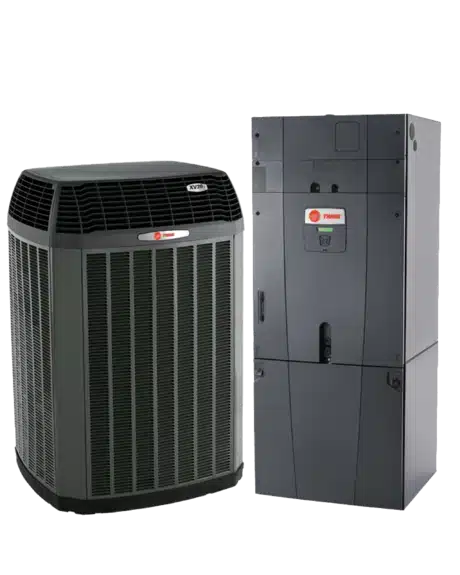
Heat pumps move heat rather than creating it through combustion. In winter, the outdoor unit absorbs available heat from outside air and transfers it indoors. If the system cannot complete that process, your home may feel cold even while the equipment appears to be running.
Possible causes include low refrigerant, a frozen coil, a reversing-valve problem, a defrost-cycle malfunction, electrical issues, compressor trouble, or a blower-related concern. If basic thermostat, power, filter, and outdoor-clearance checks do not help, professional diagnosis is the next step.
Airflow and Blower Issues
Your heating system cannot deliver comfort without dependable airflow. A dirty filter, blocked return, failing blower motor, damaged blower capacitor, duct leak, disconnected duct, or closed vent can reduce the amount of warm air reaching living spaces.
Signs of an airflow problem may include weak vents, hot and cold spots between rooms, unusually long heating cycles, or a furnace that overheats and shuts down. An HVAC technician can inspect the blower assembly, duct system, static pressure, filters, and related components to determine where airflow is being restricted.
Thermostat and Electrical Failures
The thermostat serves as the communication point between you and your HVAC system. However, the thermostat is not always the root of the problem. Low-voltage wiring, relays, control boards, transformers, capacitors, breakers, disconnects, and wiring connections can all affect whether a heater starts and operates correctly.
If your system is unresponsive, repeatedly trips a breaker, loses power, or behaves inconsistently, professional electrical troubleshooting is important for both equipment protection and household safety.
When a Heater Problem Is an Emergency
Some no-heat situations can wait until the next available appointment, especially if outdoor conditions are mild and you have safe temporary warmth. Others require immediate action because they may involve combustion, gas, electrical, or carbon monoxide risks.
Leave the home and contact emergency services or your gas utility from outside if you smell gas, hear a carbon monoxide alarm, see smoke, or believe there may be a carbon monoxide emergency. Do not operate switches, light matches, restart the furnace, or attempt to locate a gas leak yourself.
Call Air Conditioning Services promptly if:
- Your home has no heat during cold weather.
- A furnace repeatedly fails to start or shuts down unexpectedly.
- You smell persistent burning, melting plastic, electrical odors, or fuel-like odors.
- Your heater makes loud or sudden mechanical noises.
- Your heat pump is frozen and not defrosting.
- Your system trips a breaker more than once.
- An older adult, infant, child, pet, or medically vulnerable person is affected by inadequate indoor heat.
ACS offers heating repair for furnaces and heat pumps and indicates that emergency heating repair and same-day HVAC service are available; call 770-532-0731 for the current availability and next steps.
What to Expect From Professional Heating Repair
A knowledgeable HVAC technician should diagnose the heating system methodically rather than simply replacing parts based on a symptom. The service visit may include an assessment of thermostat operation, electrical controls, airflow, filters, blower components, safety switches, ignition components, burners, heat-pump functions, refrigerant-related performance, and system cycling.
Once the issue is identified, the technician can explain:
- What is preventing the heater from operating correctly.
- Whether the problem involves a repair, maintenance need, or replacement consideration.
- What repair options are appropriate for the equipment’s condition.
- Any safety concerns that require attention before restarting the system.
- Practical maintenance steps that may reduce the likelihood of another breakdown.
For example, a furnace that keeps turning off could be reacting to restricted airflow, a dirty sensor, a venting issue, or a failing component. Correcting only the symptom without identifying the cause can lead to repeated disruptions.
Prevent Future Heating Breakdowns
Routine maintenance cannot eliminate every repair, but it can uncover developing problems before they leave your home without heat. Seasonal service provides an opportunity to inspect heating performance, verify key controls, check electrical connections, address airflow concerns, and identify worn parts.
Homeowners can also help protect their systems by:
- Replacing or checking air filters regularly.
- Keeping supply and return vents unobstructed.
- Keeping the outdoor heat-pump unit clear of leaves and debris.
- Paying attention to new noises, odors, and changes in system performance.
- Scheduling service promptly when the heater starts short cycling or heating unevenly.
- Testing carbon monoxide alarms according to the manufacturer’s directions when gas combustion equipment is present.
Call Air Conditioning Services for Heater Repair
If your heater is not working in Gainesville, GA, do not spend another cold day guessing at the problem. Air Conditioning Services can inspect your furnace or heat pump, explain the source of the issue, and provide dependable repair guidance for your home or business.
Call Air Conditioning Services at 770-532-0731 to schedule heating repair in Gainesville, Oakwood, Flowery Branch, Clermont, Lula, or nearby Northeast Georgia communities.
Open 7AM - 5PM Monday-Friday
Quick Contact Form
Make a Payment
Our Service Area
We have happy customers all around the Northeast Georgia area. We’ve provided HVAC services for homes and businesses in:
· Hall County: Clermont, Flowery Branch, Gainesville, Lula, & Oakwood
· Habersham County: Alto, Baldwin, Clarkesville, Cornelia, Demorest, Mount Airy & Tallulah Falls
· Gwinnett County: Dacula, Sugar Hill, Buford, Lawrenceville
· Jackson County: Pendergrass, Arcade, Braselton, Commerce, Hoschton, Jefferson, Maysville, Nicholson & Talmo
· Stephens County: Martin & Toccoa
· Dawson County: Dawsonville
· Lumpkin County: Dahlonega
· Forsyth County: Cumming
Contact us today when you need HVAC services you can trust.