


Why Does My Heat Pump Ice Over? | Expert Help
Seeing frost or ice on your heat pump? Learn what’s normal, what signals a problem, safe DIY steps, and when to call Air Conditioning Services (ACS) in Gainesville, GA for professional heat pump service.
Why Does My Heat Pump Ice Over?
Light frosting on the outdoor unit in cold, damp weather is often normal. Heat pumps absorb heat from outside air, and moisture can freeze on the coil during heating mode. Your system is designed to clear this with a defrost cycle that temporarily reverses to cooling mode, warms the outdoor coil, and melts the frost. But if thick ice forms, the fan blades or coil are encased, or frost returns immediately after defrost, there’s likely an issue that needs attention.
Common causes of abnormal icing include poor airflow across the outdoor coil (clogged filter, blocked coil, stalled or failed outdoor fan), low refrigerant from a leak, a faulty defrost board or sensor (thermistor), and weather-related blockages such as freezing rain, snow buildup, or gutter drip refreezing on the unit. Left unresolved, heavy ice restricts heat transfer, reduces heat output, strains the compressor, and can lead to higher utility bills or system damage.
Air Conditioning Services (ACS) provides residential and commercial heat pump repair, maintenance, airflow diagnostics, and replacement guidance throughout Gainesville and Northeast Georgia. Our technicians evaluate the entire heat pump system—air filters, indoor and outdoor coils, outdoor fan operation, defrost board and sensors, reversing valve performance, refrigerant charge and leak risk, and thermostat controls—to pinpoint why ice is forming and restore reliable heat.
Is Any Frost on a Heat Pump Normal?
Yes—during cold, humid conditions, a light coating of frost between automated defrost cycles is expected. The key is that the defrost cycle engages periodically, the outdoor fan resumes, and the ice melts away within minutes. After defrost, the unit should deliver steady heat indoors and the coil should be mostly clear.
Normal operation looks like this when it’s cold out:
- Brief frosting appears on the outdoor coil between defrost cycles.
- The system initiates defrost automatically and steam may rise as ice melts.
- The outdoor fan may pause briefly during defrost, then restart.
- Heat output indoors remains consistent after the cycle completes.
- There’s no solid ice encasing the cabinet, coil, or fan blades.
- Snow and leaves are cleared away from the unit for unobstructed airflow.
- Gutter water is diverted so it doesn’t drip and refreeze on the heat pump.
- Air filters are clean to maintain proper airflow across the coils.
Abnormal icing is a concern when the unit is encased in ice, the fan can’t spin, the system never seems to defrost, there’s little or no heat indoors, loud or unusual noises occur, or utility costs climb unexpectedly. Persistent ice can indicate a refrigerant leak, failed defrost board or sensor, stuck reversing valve, or airflow restriction that requires professional service.
If you suspect a performance issue, avoid chipping ice with tools—this can damage the coil. Turn the system to Emergency Heat if available, gently clear snow and debris, and contact ACS for a diagnostic. For related concerns like sudden energy spikes, see our page: Why Is My Utility Bill So High? For condensate issues in cooling season, you may find Why Is My AC Leaking Water? helpful.
Why Heat Pumps Ice Over: Common Causes
Seeing frost on a heat pump in cold weather isn’t always a problem. Light, even frost that clears during the defrost cycle is normal. Persistent ice buildup, thick glaze, or a unit encased in ice points to an issue that needs attention from Air Conditioning Services (ACS).
Normal Frost vs. Defrost Problems
Heat pumps absorb heat from cold outdoor air, which can create light frost on the outdoor coil. The system periodically switches into a defrost cycle to melt that frost. If your unit never seems to clear, defrosts too often, or not at all, the cause may be a failed defrost board, bad thermistor/sensor, or an issue with the reversing valve that switches the system into defrost.
Watch the fan setting: during defrost, the outdoor fan should stop while the system temporarily runs like AC to warm the coil. If the fan keeps spinning or the unit steams but refreezes immediately, the defrost sequence may be malfunctioning.
When ice persists after 30–60 minutes or returns quickly, shut the system off at the thermostat and call ACS. Running while iced over can damage components and reduce heat output.
Airflow Restrictions (Filters, Coils, and Fan)
Insufficient airflow is a leading cause of outdoor coil icing. A clogged return filter, matted outdoor coil, or a failed outdoor fan makes it harder to move air across the coil, dropping coil temperature below freezing and encouraging ice formation.
Check your filter monthly in heavy-use seasons and replace at least every three months. Use the correct size and avoid overly restrictive media unless your system is designed for it. If you’re considering a high-MERV upgrade, have an HVAC pro confirm compatibility to prevent airflow issues.
Keep shrubs, leaves, and debris at least 2–3 feet from the outdoor unit. If the outdoor fan isn’t running, is noisy, or starts and stops, the motor or capacitor may be failing—schedule service before ice spreads.
Blocked Grilles, Snow, and Return Issues
Your heat pump relies on a clear path for air indoors and out. Blocked supply registers reduce circulation, while obstructed return grilles starve the system of air, encouraging coil temperatures to plunge and ice to form.
Indoors, make sure furniture, rugs, and curtains aren’t covering vents or returns. Outdoors, clear away snow drifts, leaves, and grass clippings from the sides and base of the unit. Avoid closing multiple supply registers; this increases static pressure and can worsen icing in cold snaps.
Dirty Outdoor or Indoor Coils
The outdoor coil must exchange heat with the air. Dirt, cottonwood fluff, or pollen on the outdoor coil insulates the fins, making the coil run colder and more likely to frost over. A dirty indoor coil can also restrict airflow and contribute to icing patterns.
Coils are delicate and connected to refrigerant and electrical components. Cleaning should be performed by a trained HVAC technician. Air Conditioning Services (ACS) uses the proper cleaners and techniques to restore heat transfer without bending fins or introducing moisture where it doesn’t belong.
After professional cleaning, many homeowners notice fewer defrost events, better heat output, and lower run time in cold weather.
Low Refrigerant or Refrigerant Leaks
Low refrigerant reduces heat absorption and can drive coil temperatures below freezing, causing heavy frost or ice. A system low on charge may run longer, deliver lukewarm air, and ice up at the outdoor coil or refrigerant lines.
Refrigerant does not get used up; a loss indicates a leak. A qualified technician should locate and repair the leak when possible, test, and precisely recharge to manufacturer specifications.
Watch for these signs of a refrigerant issue:
- Outdoor unit icing quickly or continuously in moderate cold.
- Reduced heat output or cool air from vents.
- Hissing or bubbling near refrigerant lines.
- Higher energy use with less comfort.
- Ice on refrigerant lines entering the outdoor unit.
Duct Leaks and Return Imbalances
Leaky or undersized return ducts can pull frigid attic or crawlspace air into the system, lowering coil temperature and encouraging icing. Supply leaks waste conditioned air and make the heat pump work harder, increasing defrost frequency.
Because many homes have ducts in unconditioned spaces, sealing and balancing returns can dramatically reduce frosting events and improve comfort. An ACS inspection can identify disconnected runs, crushed flex, missing insulation, and undersized returns that starve airflow.
Correcting duct issues often stabilizes coil temperatures, shortens defrost events, and improves overall efficiency.
Outdoor Weather and Drainage Conditions
Sometimes the weather is the culprit. Freezing rain, blowing snow, or ice from gutter drip can encase the unit. If snow piles around or under the cabinet, the fan can ingest snow, building an ice slab on the coil and fan blades.
Keep the unit elevated above expected snow levels, clear snow within a 2–3 foot radius, and redirect downspouts and gutters so meltwater cannot fall onto the unit. Avoid using a pressure washer or sharp tools—use warm air from the system’s own defrost cycle or gentle water to help melt external ice.
Frozen Outdoor Coil: What To Do Now
If you see heavy ice, turn the thermostat to “off” and let the unit thaw. Do not chip ice or run the system while encased—this can damage the fan, compressor, and coil. Gently remove loose snow and debris around the base to restore airflow once melted.
- Replace a dirty filter and open blocked vents/returns.
- Clear snow, leaves, and obstructions 2–3 feet around the unit.
- Confirm gutters aren’t dripping onto the cabinet.
- After thawing, restart and observe: does the unit defrost and stay clear?
If ice returns quickly, the outdoor fan won’t run, or you hear loud or unusual noises, contact ACS for service.
Outdoor Unit and Control Failures
Electrical and mechanical faults can interrupt defrost or airflow, leading to icing. Common culprits include a failed capacitor, outdoor fan motor, contactor, control board, defrost board, sensor/thermistor, or a sticking reversing valve.
Symptoms include humming without the fan spinning, short cycling during cold weather, steam without melt-off, or repeated trips into defrost with poor results. Schedule professional diagnostics to prevent component damage.
When Sizing and Design Contribute
A heat pump that’s undersized for the home or paired with restrictive ductwork may run continuously in extreme cold, pushing coil temperatures down and triggering frequent defrosts. While normal in deep cold spells, excessive or ineffective defrost can signal design issues worth evaluating.
A professional load calculation and duct assessment can confirm proper capacity, airflow, and return sizing. Addressing design constraints often reduces icing risk and improves comfort. If your utility bills have climbed, this evaluation can also reveal efficiency losses related to airflow or leakage, as discussed in “Why Is My Utility Bill So High?”
What You Can Check Safely
Before calling Air Conditioning Services (ACS), there are a few simple, safe steps you can take when your heat pump ices over:
- Set the thermostat to heat and the fan to auto so the defrost cycle can run correctly.
- Increase the setpoint a couple of degrees and listen for the outdoor unit to shift into a brief defrost mode; a temporary pause or steam is normal.
- Inspect and replace the air filter if it’s dirty. Restricted airflow can cause the outdoor coil to freeze quickly.
- Open all supply vents and ensure return grilles aren’t blocked by furniture, rugs, or drapes.
- Gently clear leaves, snow, mulch, and debris from around and beneath the outdoor unit to maintain at least 18–24 inches of open space.
- Look for heavy ice covering the outdoor coil, fan blades, or refrigerant lines—noting if the fan is stalled or the unit is unusually loud.
- Check for weather-related causes like freezing rain, gutter drip onto the unit, wind-driven snow, or a disconnected downspout flooding the top grille.
- If safe, power the system off at the thermostat and allow the ice to melt naturally; never chip ice with tools or pour boiling water on the unit.
If thick ice returns quickly, the outdoor fan won’t run, the unit makes loud or unusual noises, or the system can’t heat the home, turn it off and schedule professional service. Continuous icing can indicate issues such as a failed defrost sensor/board, low refrigerant, or airflow problems.
When to Call for Heat Pump Service
Call Air Conditioning Services when you notice any of the following:
- Persistent ice that doesn’t clear after a defrost cycle or keeps rebuilding within hours.
- Little to no heat output, or air from vents that feels cool during a heating call.
- Weak airflow throughout the home even with a clean filter and open vents.
- Ice encasing the outdoor coil, fan, or refrigerant lines, or snow packed into the base.
- Water pooling near the air handler after the outdoor unit thaws repeatedly.
- The outdoor fan doesn’t spin, runs loudly, or the unit short cycles.
- Grinding, buzzing, squealing, or banging during or after defrost.
- Utility bills rising while comfort drops, suggesting poor efficiency from icing.
- Rooms staying cold or clammy despite long run times.
- The outdoor unit emits steam constantly without clearing ice, or never seems to enter defrost.
- You suspect a refrigerant leak, failing defrost board/sensor, reversing valve issue, or airflow restriction.
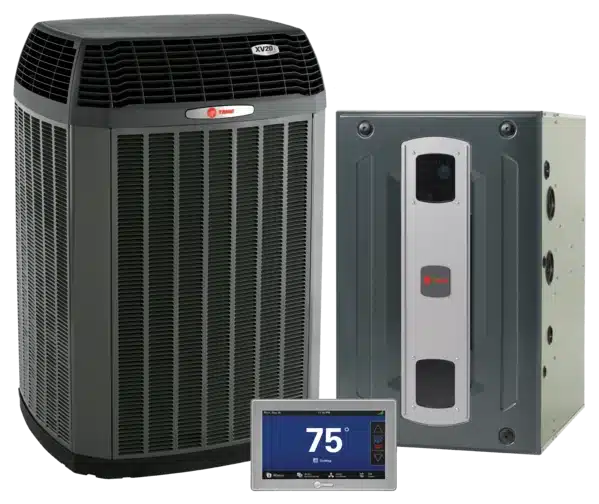
Heat Pump Ice Buildup Help in Gainesville, GA
A light frosting on your outdoor coil is normal in cold, damp weather, but sheets of ice that don’t melt signal a problem. Causes range from airflow restrictions and outdoor fan failures to low refrigerant, faulty thermistors, or a bad defrost board. Accurate diagnostics protect your system from damage and restore efficient heating.
Air Conditioning Services provides residential and commercial heat pump repair, maintenance, installation, replacement, and airflow support throughout Gainesville and Northeast Georgia. Our technicians service all brands, makes, and models and explain findings clearly—from defrost control testing and sensor checks to refrigerant leak detection and reversing valve verification—so you know exactly what your system needs.
ACS is licensed, insured, and bonded. Our highly trained, background-checked HVAC technicians back products and services with a 100% guarantee.
If your heat pump is icing over, call Air Conditioning Services at 770-532-0731 to schedule service in Gainesville or the surrounding Northeast Georgia area.
Open 7AM - 5PM Monday-Friday
Quick Contact Form
Make a Payment

Our Service Area
We have happy customers all around the Northeast Georgia area. We’ve provided HVAC services for homes and businesses in:
· Hall County: Clermont, Flowery Branch, Gainesville, Lula, & Oakwood
· Habersham County: Alto, Baldwin, Clarkesville, Cornelia, Demorest, Mount Airy & Tallulah Falls
· Gwinnett County: Dacula, Sugar Hill, Buford, Lawrenceville
· Jackson County: Pendergrass, Arcade, Braselton, Commerce, Hoschton, Jefferson, Maysville, Nicholson & Talmo
· Stephens County: Martin & Toccoa
· Dawson County: Dawsonville
· Lumpkin County: Dahlonega
· Forsyth County: Cumming
Contact us today when you need HVAC services you can trust.