


Air Balancing | Step‑by‑Step Guide to Even Room Airflow
Discover how professional air balancing eliminates hot and cold spots, reduces noise, and restores designed airflow. Contact ACS for certified air balancing in Gainesville, GA.
Why Balance Matters and Our Pro Method
Air balancing is the methodical process of measuring and adjusting an HVAC system so each room receives its target airflow (CFM) based on the duct design. To achieve consistent comfort, your furnace, air conditioner, or heat pump must deliver the right air volume across the filter, indoor coil, blower, supply branches, and returns—without exceeding acceptable static pressure.
When a system is out of balance, you’ll see familiar symptoms: one room blasts air while another barely moves any, the thermostat is satisfied but bedrooms lag behind, humidity hangs in the air, energy bills creep up, and vents may whistle or rumble. These issues often stem from fan speed settings, closed or missing balancing dampers, diffuser selection, or duct layout—not just the HVAC unit itself.
For homeowners and businesses in Gainesville and Northeast Georgia, precise balancing is critical during muggy summers and chilly winters. An AC can run for hours yet leave upstairs rooms warm; a furnace can heat quickly but starve distant rooms of airflow. Reading the design (Manual D), confirming room CFM targets, and verifying static pressure are essential to correct these problems.
Air Conditioning Services (ACS) performs complete air balancing, starting with pre-balance checks, then measuring supply and return flows with professional instruments. Our technicians adjust fan speed taps, set balancing dampers, fine-tune diffusers, and document results within tolerance. If duct limitations cap performance, we explain practical modification options so you can make a confident decision for your property.
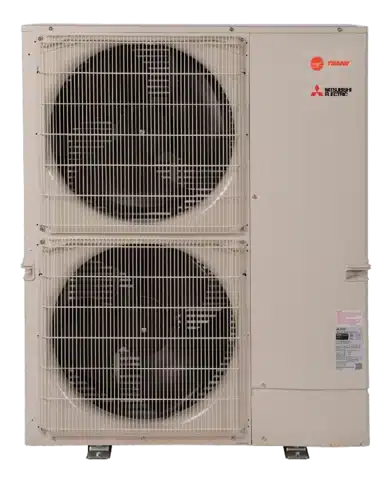
Air Balancing Defined: Matching Delivered CFM to Design
Air balancing aligns real-world airflow with the system’s design so every room gets the CFM it needs for comfort and efficiency. In a central forced-air system, we measure how much air the blower actually delivers through each supply register and confirm that return pathways can bring the same volume back to the equipment without excessive static pressure.
Before fine-tuning, a quality air balance verifies key prerequisites:
- Adequate return-air pathways and pressure relief from closed-door rooms.
- A clean, correctly sized, and low-restriction air filter.
- Clean indoor coils and clear equipment airflow paths.
- A properly configured blower and fan speed setting.
- Supply and return ducts sized per design targets (Manual D) with functional balancing dampers.
- Ductwork that is well connected, sealed at joints, supported, and insulated as required.
- Open, unobstructed supply registers and return grilles with appropriate diffuser selection.
- Room-to-room transfer paths that allow air to circulate back to returns.
- Static pressure within manufacturer limits to protect performance and noise levels.
Airflow is measured in cubic feet per minute (CFM). Using tools like a flow hood, anemometer, and pitot tube for duct traverses, technicians compare measured CFM against design targets and adjust dampers, registers, and fan speed to bring each room within tolerance. Proper balancing improves comfort, lowers noise, and helps equipment operate as intended.
Indicators Your Home Needs a Balance Check
Imbalances in an HVAC system often creep in over time, but they become most noticeable during peak heating or cooling. You won’t see the pressure differences inside the ducts, yet the comfort clues show up in your living spaces and at the registers.
Typical indicators include:
- Noticeably stronger air from some supply vents and weak air from others.
- Rooms that never reach the set temperature while other areas feel over-conditioned.
- Upper floors running hot in summer or cool in winter despite the thermostat being satisfied downstairs.
- Extended run times as the system struggles to overcome uneven distribution.
- Airflow that seems weaker than last season after no equipment changes.
- Coil icing during cooling caused by inadequate airflow across the evaporator in certain modes.
- Furnace high-limit trips or short cycling due to insufficient air movement across the heat exchanger.
- Whistling registers, rushing air, rattling grilles, or other noise that points to high static pressure and poor diffuser selection.
- Persistently humid rooms even while cooling because target CFM isn’t reaching the space.
- Rising utility costs as the system overworks to compensate for misdirected air.
- Doors that move when the system runs, indicating room-to-room pressure imbalances and return deficiencies.
- Spaces that feel stuffy or stagnant, suggesting inadequate supply or return paths.
These symptoms can overlap with equipment faults or building issues. That’s why a proper air balancing assessment from Air Conditioning Services (ACS) is essential—closing vents or replacing equipment without a measured balancing plan can increase static pressure, create noise, and worsen comfort.
Root Causes Behind Uneven Room Airflow
Distribution problems may be simple—like a filter starving the blower—or systemic, such as undersized returns, poor diffuser selection, or an overly restrictive trunk layout. Often, several small restrictions stack up, pushing static pressure high and throwing design CFMs off target.
Filter Condition and Pressure Drop
Clogged filters choke the return side, starving the blower and skewing room-by-room airflow. Even new filters can be restrictive if their MERV rating exceeds what the cabinet and equipment can handle, shifting the fan curve and pushing CFMs below design.
Check filters frequently during peak seasons and replace as needed. Before moving to higher-efficiency filtration, confirm with ACS that your equipment and filter rack can support the added resistance without exceeding recommended static pressure.
Right-sizing filtration keeps the return path healthy, which is foundational for accurate balancing results.
Open Registers and Clear Returns
Supply registers must deliver designed CFM to each room and return grilles must let that air come back. Furniture, rugs, drapes, and storage can block these pathways and distort distribution.
Closing multiple supplies to “force” air elsewhere typically backfires by raising total external static pressure, causing noise and lowering system airflow. Keep registers open and clear unless a trained ACS technician prescribes specific balancing damper settings.
Unobstructed returns are critical. Blocking a central return with a sofa or cabinet can depressurize rooms and undermine every other balancing step.
Duct Leakage Impact on Design CFM
Leaky supplies dump conditioned air into attics or crawl spaces before it reaches the target rooms. Leaky returns pull in hot, cold, or dusty air, altering load, humidity, and measured CFMs at the grilles.
Leakage complicates balancing by making readings inconsistent and pushing the blower to work against unnecessary losses. While this page focuses on balancing, ACS will identify notable leakage during testing and advise whether sealing is needed to achieve and hold design airflow.
Correcting meaningful leaks stabilizes measurements so damper adjustments and fan settings produce predictable, durable results.
Duct Sizing/Layout vs Manual D
Kinks, crushed flex, excessive elbows, long runs without proper sizing, or inadequate returns can all inflate static pressure and starve branches. Even with precise damper adjustments, some rooms can’t reach design CFM if the path is overly restrictive.
Undersized returns are a frequent culprit—if the blower can’t draw enough air back, the entire system operates below intended flow, compromising every room’s target. Balanced systems start with adequate return capacity and sensible branch sizing.
ACS technicians evaluate these constraints during pre-balance checks and will recommend duct modifications only when necessary to reach targets within accepted tolerances.
Coil Cleanliness and Fan Curve
Coil fouling raises pressure drop across the indoor coil and shifts the fan operating point, reducing total airflow before it ever reaches the branches. That lowers available CFM to rooms and makes balancing adjustments less effective.
If the coil is dirty, ACS will recommend professional cleaning prior to balancing to restore proper pressure profile and ensure readings reflect the system’s true capability.
Clean coils help maintain stable fan performance, a prerequisite for accurate, repeatable balance results.
Blower/Fan Speed Tap Verification
A weak ECM, failing capacitor, damaged wheel, or incorrect fan speed tap will modify the fan curve and total delivered CFM, undermining all downstream adjustments. Electrical faults can also cause intermittent speeds, making readings inconsistent.
Clues include uniformly low airflow, unusual hums, frequent shutdowns, or comfort swings across the whole house. ACS verifies blower health and sets appropriate fan speed before any balancing steps to lock in a reliable baseline.
Thermostat/Controls and Runtime
Controls don’t move air, but they decide how long the system runs and at what speed on variable equipment. Incorrect staging, fan profiles, or dehumidification settings can change total airflow and the time available to reach room targets.
ACS confirms operating modes and fan profiles, then balances with the system configured as it will be used daily. This ensures room CFMs align with real-world operation and that comfort remains steady without excess noise.
Establish Static Pressure Baseline Before Balancing
In air balancing, static pressure is the opposing force your blower must overcome to move air through filters, coils, ducts, grilles, registers, and dampers. When pressure is too high or uneven, the system can’t deliver the design airflow to each room, making accurate balancing impossible.
A certain amount of resistance is expected. But when static pressure rises beyond the equipment’s rated allowance, the blower can’t achieve target CFM, balance adjustments won’t hold, and rooms drift out of tolerance. Symptoms often include weak or noisy vents, temperature swings, drafty spaces, sticky humidity in summer, nuisance limit trips in heating, and premature wear.
Typical contributors to excessive static pressure include:
- Clogged filters or overly restrictive filter types.
- Dust-laden or matted indoor coils.
- Insufficient or undersized return paths.
- Registers and dampers that are shut, obstructed, or misadjusted.
- Undersized or overly long supply runs.
- Crushed, kinked, or sagging flex duct.
- Sharp turns, tight fittings, and poor duct routing.
- Duct systems not matched to the current equipment’s airflow capability.
- Dirty, damaged, or failing equipment components.
Manual D, ACCA’s residential duct design standard, sets expectations for available static pressure and design airflow so each room receives its intended CFM. During an ACS balance, our team references these design targets to establish whether the system can physically deliver the required air before adjustments begin.
Static pressure can’t be diagnosed by feel. Air Conditioning Services (ACS) measures total external static with precision manometers and compares readings to manufacturer specs to confirm the blower can support the balancing process and to pinpoint restrictions that must be corrected first.
Comfort, Efficiency, and Noise: Why Balance Pays Off
Air balancing aims to distribute the right amount of air to every space. When airflow is incorrect, even a healthy HVAC unit will struggle to control temperature and humidity. Low airflow across the evaporator reduces heat removal and dehumidification. On the heating side, inadequate flow can trigger limit switches and shorten equipment life.
Poor airflow often leads to:
- Extended runtimes and higher utility costs.
- Hot and cold spots from room to room.
- Weak moisture control and sticky indoor air.
- Frozen evaporator coils and nuisance shutdowns.
- Overheating and short cycling in furnaces.
- Elevated static pressure and blower strain.
- Increased stress on motors, capacitors, and controls.
- Dusty, stale areas when return paths are inadequate.
- Discomfort even when the thermostat is set correctly.
For instance, an upstairs bedroom that won’t cool often needs targeted balancing to meet its design CFM. Simply lowering the thermostat may overcool other rooms while the problem room remains under-supplied. ACS identifies the root cause, sets proper fan speed, measures delivered CFM, and adjusts dampers and diffusers so comfort improves without wasting energy.
Homeowner Prep: Simple Steps Before a Balance Visit
Before scheduling professional air balancing, a few easy checks can clarify whether a simple issue is limiting airflow. Avoid opening electrical panels, disassembling blowers, entering unsafe attics or crawl spaces, or changing ductwork or dampers without training—those steps are part of a professional balance.
You can safely:
- Inspect and replace the air filter if it’s dirty, damaged, or overdue—clean filtration is essential to reach design airflow.
- Verify that supply registers and return grilles are open and not blocked by furniture, rugs, or drapes.
- Resist closing multiple registers to “force” air elsewhere; this raises static pressure and complicates balancing.
- Confirm the thermostat is in the correct mode and set beyond the current room temperature for an accurate test.
- Note where comfort problems occur—one room, one level, or the whole building. This helps define balancing priorities.
- Look for visibly crushed or disconnected ducts in safe, accessible spaces like basements or mechanical rooms.
- Record unusual noises, cycling patterns, humidity issues, or rising bills—data that informs the balancing plan.
If comfort problems remain after these checks, it’s time for a professional balance. Correcting airflow imbalances protects equipment, lowers energy costs, and restores even temperatures.
Professional Airflow Testing: Tools and Techniques
Effective air balancing starts with a system-wide evaluation. Multiple factors often stack up—filter resistance, a restricted return, a dirty coil, mismatched diffuser selection, duct routing, or improper fan speed. Air Conditioning Services (ACS) follows a proven process: establish a static pressure baseline, confirm fan speed, read the design (Manual D room CFM targets), then measure and adjust until each space falls within tolerance.
Air Conditioning Services provides residential and commercial air balancing throughout Gainesville and Northeast Georgia. Our technicians use flow hoods, pitot tubes for duct traverses, and anemometers at registers to measure delivered CFM. We then set balancing dampers, fine-tune diffuser throws, and document results so you can see before-and-after performance by room.
ACS services all brands, makes, and models of heating and air equipment. Our team is licensed, insured, and bonded, and our highly trained, background-checked HVAC contractors provide clear recommendations based on your building’s design and measured airflow. ACS backs its products and services with a 100% guarantee.
If your home or business has hot and cold spots, noisy vents, marginal humidity control, or rising energy use, call Air Conditioning Services at 770-532-0731 to schedule a professional air balancing evaluation in Gainesville or the surrounding Northeast Georgia area.
Open 7AM - 5PM Monday-Friday
Quick Contact Form
Make a Payment

Our Service Area
We have happy customers all around the Northeast Georgia area. We’ve provided HVAC services for homes and businesses in:
· Hall County: Clermont, Flowery Branch, Gainesville, Lula, & Oakwood
· Habersham County: Alto, Baldwin, Clarkesville, Cornelia, Demorest, Mount Airy & Tallulah Falls
· Gwinnett County: Dacula, Sugar Hill, Buford, Lawrenceville
· Jackson County: Pendergrass, Arcade, Braselton, Commerce, Hoschton, Jefferson, Maysville, Nicholson & Talmo
· Stephens County: Martin & Toccoa
· Dawson County: Dawsonville
· Lumpkin County: Dahlonega
· Forsyth County: Cumming
Contact us today when you need HVAC services you can trust.