


Heat Pump Repair | Fast Diagnostics & Reliable Fixes
If your heat pump won’t heat, won’t cool, or keeps short cycling, you’re in the right place. Learn the most common repair symptoms, what causes them, how pros diagnose issues, typical costs and timelines, and when it’s time to call Air Conditioning Services (ACS) for expert repair.

Seasonal Heat Pump Issues Homeowners Encounter
Heat pumps handle heating and cooling in one system, so small issues can show up in different ways throughout the year. From faulty capacitors that stop a fan from starting to low refrigerant charge causing frozen coils, repair needs are often preventable when caught early.
In Gainesville and across Northeast Georgia, we frequently see seasonal repair patterns: summer cooling complaints linked to airflow restrictions, dirty coils, or electrical failures; and winter calls tied to defrost malfunctions, reversing valve problems, and auxiliary heat that runs constantly. Because these systems rely on precise refrigerant pressures, accurate controls, and clean airflow, a thorough diagnostic is essential before replacing parts.
Air Conditioning Services (ACS) provides heat pump repair, maintenance, installation, and replacement for residential and commercial systems. Our licensed technicians service all brands and configurations, explain what failed and why, outline clear options, and back our work with a 100% guarantee. We’re licensed, insured, and bonded for your peace of mind.
Whether you’re dealing with no heat, weak cooling, ice on the outdoor unit, or rising energy bills, this page breaks down what to check, what a professional will do, and how ACS restores your comfort quickly.
Why Heat Pumps Fail: Parts, Wear, and Conditions
Because heat pumps move heat instead of generating it, precise refrigerant flow, clean coils, and dependable electrical components are critical. Breakdowns often trace back to a few culprits: failed capacitors or contactors that keep compressors and fans from running, refrigerant leaks that starve the system, airflow issues that trigger icing, and control problems with the thermostat or defrost board.
When cooling performance drops, the system may still run but struggle to remove heat and humidity. Low airflow, dirty indoor coils, a weak outdoor fan motor, or incorrect refrigerant charge can all be to blame. Letting it run in this condition can overheat the compressor and lead to a larger repair.
In heating season, poor warmth or long run times often point to reversing valve faults, low charge, sensor errors, or a defrost cycle that isn’t working correctly. The system may lean on auxiliary heat, driving bills up. Quick diagnosis protects your compressor and restores efficiency.
Common components ACS services include:
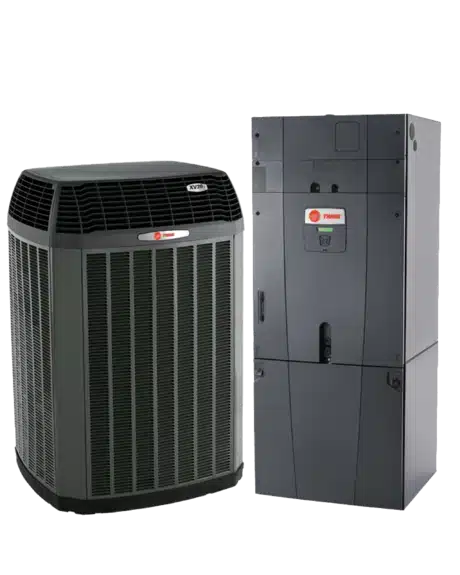
- Outdoor unit: Houses the compressor, outdoor coil, fan, and controls—exposed parts most vulnerable to weather, debris, and icing.
- Indoor air handler or coil: Impacts heat transfer and airflow; dirt or microbial buildup here can tank performance.
- Refrigerant: Proper charge is essential; leaks reduce capacity and can freeze coils.
- Compressor: The heart of the system; voltage or cooling issues can cause failure.
- Reversing valve: Switches between heating and cooling; sticking or coil failures stop mode changes.
- Thermostat: Incorrect settings or calibration cause short cycling and comfort swings.
- Ductwork and vents: Leaks and blockages reduce delivered CFM and can mimic equipment failure.
- Auxiliary or backup heat: Heaters that assist in cold snaps; control or relay failures can cause sky-high bills.
Because repairs involve high voltage, refrigerant handling, and pressurized components, professional service is the safest path to dependable, long-lasting operation.
How Pros Diagnose Heat Pump Problems Year‑Round
Understanding how your system behaves in each season can help you spot problems sooner and describe symptoms clearly to your technician.
Summer Cooling Diagnostics and Inefficiency
When cooling, the indoor coil is the evaporator. If the home isn’t cooling, look for warning signs: warm air at the vents, ice on refrigerant lines, water around the air handler from a clogged condensate drain, or a humming outdoor unit with the fan not spinning. These often indicate low airflow, a failed capacitor, a seized fan motor, or incorrect refrigerant charge.
ACS technicians verify thermostat calls, measure temperature split, inspect filters and coils, check blower speed and static pressure, and record refrigerant pressures with superheat/subcooling. Electrical testing of capacitors, contactors, and motors identifies failing parts before they strand you in peak heat.
If your heat pump isn’t cooling effectively, the root cause typically involves airflow, refrigerant, the compressor circuit, controls, or coils. Correct diagnosis prevents repeat failures.
Winter Heating, Defrost, and Frozen Coil Troubleshooting
In heating, the reversing valve redirects refrigerant so the outdoor coil absorbs heat. Weak heat, constant auxiliary heat, or frequent short cycling can point to charge issues, sensor faults, a stuck reversing valve, or blower/duct problems reducing airflow.
Frost on the outdoor unit is normal, but the system should enter defrost to melt it. Persistent ice, loud banging during defrost, steam that never subsides, or an outdoor fan that won’t run suggest a defrost board, sensor, or fan problem that needs attention.
ACS confirms refrigerant charge, verifies the defrost cycle, tests the reversing valve solenoid, evaluates supply/return temperatures, and ensures the blower and ductwork deliver the required CFM for steady, efficient heat.
Typical Repairs, Parts, and When to Call a Technician
Most heat pump issues can be fixed quickly when caught early. Knowing the symptoms helps you decide when to schedule service.
- No heat or no cool: Often tied to failed capacitors, contactors, blown fuses, thermostat or control board faults, or a tripped float switch from a clogged drain.
- Short cycling: May stem from thermostat misplacement, dirty coils, high static pressure, or failing compressor protection components.
- Ice buildup or frozen coils: Usually caused by low airflow (dirty filter/blower), low refrigerant from leaks, or a faulty defrost control in winter.
- Odd noises: Clicking or buzzing can indicate electrical issues; grinding or screeching points to motor or bearing failure; whooshing during defrost is often normal.
- High energy bills: A sign of low charge, stuck reversing valve, continuous auxiliary heat, or airflow restrictions.
- Refrigerant leaks: Require EPA-certified repair, leak detection, and recharge to manufacturer specs.
The right solution depends on system age, part availability, and condition of the compressor and coils. ACS will review repair vs. replacement considerations, including efficiency (SEER/HSPF), warranty status, and expected lifespan. We can also discuss future options like replacement or upgrades after the immediate repair is complete.
Auxiliary Heat, Defrost Cycles, and Energy Use
Auxiliary heat assists the heat pump during cold snaps or recovery after large thermostat changes. If you frequently see AUX HEAT, the system may be undercharged, have a weak outdoor unit in cold weather, or be battling airflow problems. Reducing big thermostat swings can limit runtime on energy-hungry heat strips.
Defrost protects the outdoor coil in cold, damp weather. If ice lingers, the defrost board, sensors, outdoor fan, or reversing valve may be at fault. Operating with a frozen coil can damage the compressor and should be checked promptly.
Emergency heat is a manual setting used when the outdoor unit is compromised. Use it only as advised by a technician—running on backup heat alone can be costly and masks underlying problems that ACS can resolve.
No Heat or Cool: Symptoms, Causes, and First Checks
Heat pumps handle both heating and cooling, so a fault in one mode often hints at a deeper issue that can affect comfort year-round. Recognizing early symptoms helps prevent bigger repairs, higher energy bills, and unnecessary wear on expensive components.
No Heat: Thermostat, Airflow, and Reversing Valve Checks
Start with basics: confirm the thermostat is set to Heat, the setpoint is above room temperature, and the fan setting isn’t stuck on On. Replace a dirty filter and verify supply and return vents are clear. If rooms still feel chilly or auxiliary heat runs nonstop, the root cause could be a thermostat calibration error, low refrigerant charge, a stuck reversing valve, a failed capacitor or contactor, weak compressor, airflow restrictions, or a defrost control problem preventing normal winter operation.
Because heat pumps rely on precise electrical and refrigeration performance, a licensed ACS technician should test electrical components, verify refrigerant pressures and superheat/subcooling, check the defrost board and sensors, and ensure the reversing valve is shifting correctly to restore dependable heat.
No Cooling: Refrigerant Charge, TXV, and Airflow
When cooling is inadequate or the system blows lukewarm air, common culprits include clogged coils, low airflow (dirty filter, blocked returns), refrigerant leaks, a failing outdoor fan motor, thermostat or control board faults, duct leakage, or compressor issues. Symptoms like continuous run time, failure to hit the set temperature, elevated humidity, or rising electric bills signal it’s time for professional attention.
ACS will inspect indoor and outdoor coils, measure airflow (CFM), evaluate refrigerant charge, and test start/run capacitors, contactors, and sensors to pinpoint the cause and make a lasting repair.
Ice Buildup: Defrost Cycle, Fan, and Refrigerant Issues
Light frost in winter is normal and should clear during the defrost cycle. However, heavy ice, a coil encased in frost, or a unit that won’t defrost indicates trouble with the defrost board, temperature or coil sensors, outdoor fan performance, refrigerant level, or restricted airflow through the coil.
Avoid chipping ice, pouring hot water, or forcing operation while frozen—these can damage coils and fan blades. If advised by your HVAC provider, shut the system off and schedule ACS service to diagnose defrost operation and protect the compressor.
Short Cycling: Thermostat, Capacitor, and Airflow Roots
Short cycling—rapid starts and stops—stresses compressors, contactors, and capacitors while degrading comfort. Causes range from dirty filters and poor thermostat placement to low refrigerant, electrical faults, oversized equipment, iced coils, or malfunctioning safety switches.
Weak Airflow: Filter, Duct, and CFM Problems
Insufficient airflow leads to uneven rooms, noisy operation, and coil icing. Typical sources include a clogged filter, blocked or closed vents, a failing blower motor or wheel, crushed ducts, dirty evaporator coils, or imbalanced ductwork. Swap the filter and open all vents first; persistent airflow issues warrant a professional airflow assessment and static pressure testing by ACS.
Odd Noises: Fan Motors, Contactors, and Vibrations
Normal heat pump sounds include fan movement and a brief whoosh when the reversing valve changes modes. Concerning noises—grinding, squealing, loud buzzing, repeated clicking, rattling, or banging—can indicate loose hardware, motor bearing failure, electrical arcing, contactor chatter, or compressor damage.
Call for service promptly, especially if noises coincide with tripped breakers, burning odors, poor heating or cooling, or intermittent shutdowns. Early diagnosis can prevent a small issue from turning into a major repair.
Preventive Maintenance to Avoid Repeat Failures
Because your heat pump works in every season, routine maintenance is essential to catch small problems before they become emergency repairs. A tuned system runs quieter, defrosts properly in winter, cools efficiently in summer, and protects major components like the compressor and reversing valve.
A heat pump maintenance visit may involve inspection and testing of applicable components, including:
- Thermostat operation, settings, and controls.
- Air filter condition and overall airflow.
- Indoor and outdoor coils.
- Refrigerant-related components and system performance.
- Electrical connections, capacitors, relays, and contactors.
- Blower motor and outdoor fan operation.
- Condensate drainage.
- Defrost controls and defrost-cycle operation.
- Refrigerant line insulation and visible system condition.
- Ductwork-related comfort or airflow concerns.
The exact tune-up process depends on the system, manufacturer recommendations, and technician findings. During a visit, ACS can clean coils, verify superheat and subcooling, calibrate thermostat settings, confirm the defrost board and sensors are functioning, and check static pressure to safeguard airflow. While maintenance cannot eliminate every breakdown, it significantly reduces the risk of failures and clarifies your heat pump’s overall health.
Between professional service appointments, homeowners can replace filters on schedule, keep the outdoor unit free of leaves and snow, maintain clearances for airflow, keep drains clear, and monitor for changes in comfort, cycling, ice buildup, or utility costs.
Repair vs. Replace: Costs, Efficiency, and System Age
Many issues—failed capacitors or contactors, faulty fan motors, bad sensors, thermostat faults, defrost board problems, and minor refrigerant leaks—are repairable, especially on newer systems. ACS technicians perform targeted diagnostics to isolate the cause and recommend the most cost-effective fix.
Discuss replacement if the unit has frequent breakdowns, a major component failure (compressor or reversing valve), uses obsolete refrigerant, is near the end of its service life, or isn’t meeting comfort or efficiency expectations. Considering age, SEER/HSPF ratings, warranty status, part availability, and energy savings helps determine whether repair or replacement is the smarter choice.
Proper sizing and duct compatibility are critical to prevent short cycling, poor humidity control, and high bills. Before recommending options, ACS evaluates home layout, insulation, windows, ducts, occupancy, and comfort priorities to match equipment performance to your needs.
ACS provides heating and air system installation and helps customers review system sizes and types that are effective and affordable for their homes or offices. The team emphasizes clear recommendations so customers can make informed decisions without pressure.
Heat Pump Service for Gainesville and Northeast Georgia
If your heat pump won’t heat or cool, ices over, short cycles, or makes new noises, prompt service can protect the compressor, improve comfort, and keep energy use in check. ACS identifies root causes and explains repair options, timelines, and warranties so you know what to expect.
Air Conditioning Services provides residential and commercial HVAC service throughout Gainesville and Northeast Georgia. ACS has generations of experience installing, maintaining, and repairing heating and air systems of all brands. The company offers flexible scheduling, employs highly trained and background-checked HVAC contractors, and backs its products and services with a 100% guarantee.
ACS serves customers across Hall, Habersham, Gwinnett, Jackson, Stephens, Dawson, Lumpkin, and Forsyth counties, including Gainesville, Flowery Branch, Oakwood, Clermont, Lula, Buford, Braselton, Dawsonville, Dahlonega, and Cumming.
For dependable heat pump repair, maintenance, installation, or replacement guidance, call Air Conditioning Services at 770-532-0731.
Professional Heat Pump Repair Across Northeast Georgia
Modern heat pumps combine refrigeration, electrical controls, and defrost logic—precision systems that require accurate diagnostics and safe handling of high-voltage and refrigerant. Professional service ensures the fault is identified correctly and that repairs protect efficiency, reliability, and comfort in every season.
Air Conditioning Services offers residential and commercial HVAC support across Northeast Georgia, including Gainesville, Flowery Branch, Oakwood, Clermont, Lula, Buford, Braselton, Dawsonville, Dahlonega, Cumming, and surrounding communities. ACS technicians are highly trained, background-checked, and experienced in installing, maintaining, and repairing heating and air systems of all brands.
If your heat pump short cycles, won’t switch modes, struggles to keep temperature, or is due for seasonal care, call Air Conditioning Services at 770-532-0731. ACS will evaluate refrigerant charge and airflow, test capacitors and contactors, verify defrost operation, and provide clear options to restore dependable performance.
Open 7AM - 5PM Monday-Friday
Quick Contact Form
Make a Payment

Our Service Area
We have happy customers all around the Northeast Georgia area. We’ve provided HVAC services for homes and businesses in:
· Hall County: Clermont, Flowery Branch, Gainesville, Lula, & Oakwood
· Habersham County: Alto, Baldwin, Clarkesville, Cornelia, Demorest, Mount Airy & Tallulah Falls
· Gwinnett County: Dacula, Sugar Hill, Buford, Lawrenceville
· Jackson County: Pendergrass, Arcade, Braselton, Commerce, Hoschton, Jefferson, Maysville, Nicholson & Talmo
· Stephens County: Martin & Toccoa
· Dawson County: Dawsonville
· Lumpkin County: Dahlonega
· Forsyth County: Cumming
Contact us today when you need HVAC services you can trust.