
Electric Heat | Options, Performance & Installation
Understand how electric heating works, which systems fit your home, expected efficiency and costs, and what to consider before upgrading. Call ACS today.

Electric Heat: Clean, Versatile Home Heating
Electric heat uses electricity to deliver warmth without on-site combustion. Depending on the technology, it can either move heat efficiently from one place to another or create heat directly through electric resistance. Homeowners typically encounter three primary paths: high-efficiency heat pumps, electric resistance (heat strips or baseboards), and ductless mini-splits for targeted rooms or homes without ducts.
In Gainesville and Northeast Georgia, electric heating can be a practical choice thanks to relatively mild winters. Heat pumps excel in our climate by providing efficient heating during cool months and switching to cooling in summer. Resistance heat offers simple, reliable backup or spot heating when needed.
Air Conditioning Services (ACS) designs, installs, and services a full range of electric heating solutions for residential and light commercial properties. Our licensed team evaluates the home’s load, insulation, ductwork, and electrical capacity, then explains your options, estimated operating costs, and the trade-offs of each system so you can choose with confidence. We’re licensed, insured, bonded, and back our work with a 100% satisfaction guarantee.
Whether you’re comparing electric heat types, planning an all-electric upgrade, or replacing older equipment, this guide outlines the essentials so you can select the right electric heating approach for your space and budget.

What Is Electric Heat?
Electric heat refers to heating systems powered by electricity rather than gas, oil, or propane. These systems fall into two categories: electric resistance heat, which converts electrical energy directly into heat, and electric heat pumps, which move heat from outdoor air into your home using a refrigeration cycle.
In cooling season, a heat pump functions like a central air conditioner, removing heat and some humidity from indoor air and rejecting it outdoors. In heating season, the refrigerant circuit reverses, drawing thermal energy from outside air and transferring it into your living spaces. Because it moves heat instead of creating it, a heat pump can deliver several units of heat for each unit of electricity used.
Electric resistance equipment—such as heat strips inside an air handler, baseboard heaters, or electric furnaces—creates heat by passing current through elements. Resistance heat is simple and dependable, but it typically costs more to operate than a modern heat pump in mild to moderate climates.
Most centrally ducted electric heating setups include:
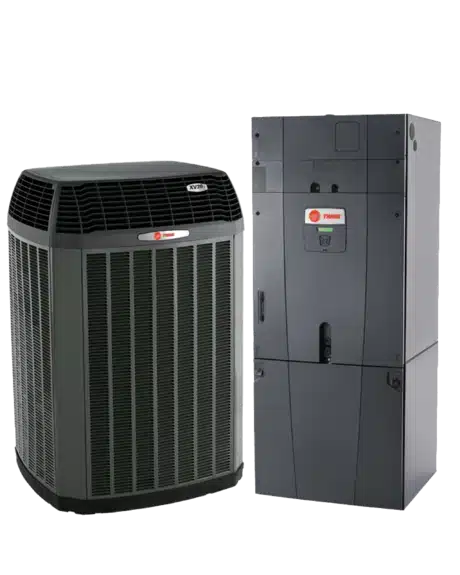
- Outdoor unit (for heat pumps): Contains the compressor, outdoor coil, fan, and controls to exchange heat with outdoor air.
- Indoor air handler or coil: Houses the blower and coil for heat transfer and air circulation through ducts.
- Refrigerant (heat pumps): Moves heat between indoor and outdoor units.
- Compressor (heat pumps): Pressurizes and circulates refrigerant for efficient heat transfer.
- Reversing valve (heat pumps): Switches the system between heating and cooling modes.
- Thermostat: Coordinates calls for heat, cooling, or fan.
- Ductwork and vents: Distributes conditioned air throughout the home.
- Electric heat strips (auxiliary): Provide supplemental resistance heat when extra capacity is needed.
Because electric heating involves high-amperage circuits, refrigerant handling (for heat pumps), and careful airflow design, professional sizing, installation, and maintenance are essential for efficiency and comfort.
How Electric Heating Delivers Warmth
Knowing how each electric option produces or moves heat helps set expectations for comfort, efficiency, and operating cost.
Heat Pump Efficiency and Operation
Heat pumps use a refrigeration cycle to capture heat from outdoor air and move it indoors. Performance is measured by COP (coefficient of performance) and HSPF2. In our region, modern cold-climate models maintain useful output in cool weather, and standard models work well during typical Northeast Georgia winters.
As outdoor temperatures drop, available heat in the air declines and the system may rely on supplemental heat strips for short periods. Proper sizing, airflow, and defrost control keep efficiency strong and comfort steady.
If a heat pump struggles to warm the home, the cause could involve undersizing, restricted airflow, thermostat settings, refrigerant issues, or outdoor coil performance. A professional evaluation can verify the load, check charge and airflow, and confirm control operation.
Electric Resistance Heating
Resistance heat creates warmth instantly by energizing electric elements. Supply air often feels hotter than heat-pump air, but the cost per hour is usually higher. Many homeowners use resistance heat as supplemental or emergency heat rather than a primary heat source.
Because resistance elements draw high amperage, correct breaker sizing, wiring, and staging are critical. If utility rates are high or winters are lengthy, expect higher monthly bills with resistance-only heating compared to a properly sized heat pump.
For both system types, consistent performance depends on clean filters, adequate return and supply airflow, and sealed ducts that minimize losses and cold spots.
Advantages of Electric Heat
When matched to the home and climate, electric heating can provide reliable comfort with straightforward maintenance and modern control options.
- All-electric convenience: No on-site combustion or flue gas. Ideal for homes without natural gas access or for owners pursuing electrification.
- High efficiency with heat pumps: By moving heat rather than creating it, heat pumps can lower operating costs in mild climates versus resistance-only heating.
- Ducted or ductless flexibility: Central air handlers integrate with existing ducts, while ductless mini-splits deliver zoned comfort to additions, bonus rooms, or whole homes without ductwork.
- Comfort and air quality: Steady, even temperatures from variable-speed heat pumps, plus filtration and dehumidification during cooling, help improve indoor comfort.
- Smart controls and zoning: Modern thermostats and multi-zone systems fine-tune temperatures room by room to reduce waste and enhance comfort.
- Simple backup options: Electric heat strips provide quick supplemental capacity during brief cold snaps.
The right solution depends on your rate for electricity (kWh), home size and insulation, duct condition, and electrical panel capacity. ACS can estimate operating costs versus alternatives and recommend upgrades like air sealing and insulation to reduce load.
Auxiliary and Emergency Electric Heat
Many electric heating systems include auxiliary heat—typically electric resistance strips—that assist a heat pump during very cold weather, rapid temperature recovery, or system defrost. You may see “AUX HEAT” on compatible thermostats when these elements are energized.
Because resistance heat uses more electricity per hour than heat-pump operation, avoid large, sudden thermostat increases that can trigger extended auxiliary run time. Programmable or smart thermostats can manage setpoints to balance comfort and cost.
“Emergency heat” is different from auxiliary heat. This manual setting usually bypasses the outdoor unit and runs resistance heat alone. It’s intended for temporary use if the heat pump is down and a technician has advised this mode. If you’re unsure when to use emergency heat, contact ACS for guidance.
Common Electric Heat Concerns
Electric heating can mean several things—from efficient heat pumps to electric resistance baseboards and ductless mini-splits. Each type operates differently and has its own warning signs. Addressing small issues early protects comfort, keeps operating costs in check, and helps extend equipment life.
Electric Heat Not Warming the Home
If electric heat is running but rooms still feel cool, first confirm the thermostat is on “heat,” the setpoint is above current room temperature, and the filter and supply/return grilles are clear. For resistance heat or heat strips, verify that breakers are on and not tripped.
When the problem continues, possible causes include incorrect thermostat staging, a failed heat strip, undersized wiring or a tripped breaker, airflow restrictions, sensor faults, or a heat pump struggling in colder weather without adequate supplemental electric heat. An ACS technician can test components, verify power and amperage draw, and determine if the system needs repair, adjustment, or an upgrade.
Uneven Temperatures with Electric Heat
Rooms that run hot and cold may point to duct losses, blocked registers, or a single-stage resistance heater cycling on and off. Ductless systems may need fan speed or vane adjustments, and baseboard heaters require proper sizing and clear wall space for convection. In some homes, adding zoning or a ductless head to target problem areas improves balance and comfort.
High Electric Bills
Electric heat can be cost-effective with high-efficiency heat pumps, but resistance heat is energy intensive. Sudden utility spikes may stem from heat strips running too often, an incorrect thermostat mode, poor insulation or air leakage, or a heat pump stuck in defrost or auxiliary heat. ACS can review kWh rates, check HSPF2 performance, evaluate insulation and sealing, and recalibrate controls to reduce electric consumption.
Breaker Trips or Electrical Odors
Tripped breakers, warm outlets, or a burning smell require immediate attention. Electric resistance elements draw significant amperage and must be matched to the circuit, breaker size, and wire gauge. Loose connections, failing sequencers, or shorted elements can create hazards. Power down the unit and call ACS to diagnose safely.
Short Cycling
Short cycling—frequent starts and stops—wastes energy and stresses components. Common causes include incorrect thermostat placement, oversized equipment, restricted airflow, wiring or control issues, and poor staging between heat pump and supplemental strips. Proper load calculation, airflow verification, and control tuning help restore steady operation.
Unusual Noises
Electric heaters are typically quiet, though fans and relays will click or hum. Loud rattling, grinding, or buzzing can indicate loose panels, failing blower motors, or electrical component problems such as contactors or sequencers. If noises coincide with reduced heat, odors, or breaker trips, schedule service right away.
When in doubt, let an ACS professional evaluate the system to confirm safe operation, verify electrical capacity, and ensure your electric heat delivers the comfort and efficiency you expect.
Electric Heat Maintenance
Routine maintenance keeps electric heating dependable and efficient. Whether you use a heat pump, ductless mini-split, or electric resistance heat, professional inspections help catch wear, electrical issues, and airflow problems before they raise bills or reduce comfort—especially during peak winter demand.
An electric heat tune-up may include inspection and testing of applicable components, including:
- Thermostat operation, staging, and smart control settings.
- Air filter condition, fan speed, and overall airflow.
- Indoor coils or heating elements, depending on system type.
- System performance checks (COP/HSPF2 for heat pumps; amperage draw for strips).
- Electrical connections, breakers, sequencers, capacitors, relays, and contactors.
- Blower motors and fan assemblies for quiet, steady operation.
- Condensate management on heat pump air handlers and ductless units.
- Defrost logic and sensors on heat pumps for cold-weather reliability.
- Insulation on refrigerant lines and a visual check of cabinet and wiring.
- Duct leakage or zoning imbalances affecting comfort and efficiency.
Maintenance steps vary by equipment type and manufacturer guidance. Tune-ups can’t prevent every failure, but they help verify safe electrical loading, document performance, and provide clear insight into the health and efficiency of your electric heating.
Between visits, homeowners can replace filters on schedule, keep returns and supply vents unblocked, clear debris from outdoor heat pump units, monitor energy usage, and note changes in temperature balance, cycling, or noise.
Repair or Upgrade for Electric Heating
Many electric heat issues are repairable, from failed sequencers and worn blower components to thermostat and sensor problems. Heat pumps may need defrost control or airflow corrections, while resistance heaters often require element or wiring repairs to restore safe, even heat.
Upgrading is worth exploring when equipment is aging, relies heavily on expensive resistance heat, or struggles in colder weather. Modern cold-climate heat pumps with higher HSPF2 and variable-speed compressors can significantly lower kWh consumption. If your breaker panel is near capacity, ACS can coordinate electrical evaluations to confirm circuit sizing and wiring for new equipment.
Proper sizing matters. ACS performs load calculations to match capacity with your home’s insulation, window gains, layout, and comfort goals. We can also discuss add-ons like smart thermostats, zoning, and improved duct sealing to enhance comfort while reducing operating costs.
ACS provides heating and air system installation and helps customers compare electric heating options that are effective and affordable for their homes or offices. The team emphasizes clear recommendations so customers can make informed decisions without pressure.
Electric Heat Service in Gainesville and Northeast Georgia
If your electric heat isn’t keeping up, energy bills jump unexpectedly, breakers trip, or you’re due for seasonal service, prompt attention protects comfort and safety. From resistance heaters and ductless systems to high-efficiency heat pumps, ACS can diagnose issues and optimize performance.
Air Conditioning Services provides residential and commercial HVAC service throughout Gainesville and Northeast Georgia. ACS has generations of experience installing, maintaining, and repairing heating and air systems of all brands. The company offers flexible scheduling, employs highly trained and background-checked HVAC contractors, and backs its products and services with a 100% guarantee.
ACS serves customers across Hall, Habersham, Gwinnett, Jackson, Stephens, Dawson, Lumpkin, and Forsyth counties, including Gainesville, Flowery Branch, Oakwood, Clermont, Lula, Buford, Braselton, Dawsonville, Dahlonega, and Cumming.
For dependable electric heat repair, maintenance, installation, or replacement guidance, call Air Conditioning Services at 770-532-0731.
Professional Electric Heating Service in Northeast Georgia
Electric heating involves high amperage circuits, precise controls, and, for heat pumps and ductless systems, refrigeration components that must be tuned for safe, efficient operation. Professional service ensures the problem is accurately diagnosed and that repairs, maintenance, or installation are completed to code with careful attention to airflow, wiring, and performance.
Air Conditioning Services offers residential and commercial HVAC support across Northeast Georgia, including Gainesville, Flowery Branch, Oakwood, Clermont, Lula, Buford, Braselton, Dawsonville, Dahlonega, Cumming, and surrounding communities. ACS technicians are highly trained, background-checked, and experienced in installing, maintaining, and repairing heating and air systems of all brands.
If your electric heat is uneven, causing high bills, tripping breakers, or due for seasonal maintenance, call Air Conditioning Services at 770-532-0731. ACS can evaluate your system, review upgrade options like smart controls or zoning, and help restore efficient, dependable comfort for your home or business.
Open 7AM - 5PM Monday-Friday
Quick Contact Form
Make a Payment

Our Service Area
We have happy customers all around the Northeast Georgia area. We’ve provided HVAC services for homes and businesses in:
· Hall County: Clermont, Flowery Branch, Gainesville, Lula, & Oakwood
· Habersham County: Alto, Baldwin, Clarkesville, Cornelia, Demorest, Mount Airy & Tallulah Falls
· Gwinnett County: Dacula, Sugar Hill, Buford, Lawrenceville
· Jackson County: Pendergrass, Arcade, Braselton, Commerce, Hoschton, Jefferson, Maysville, Nicholson & Talmo
· Stephens County: Martin & Toccoa
· Dawson County: Dawsonville
· Lumpkin County: Dahlonega
· Forsyth County: Cumming
Contact us today when you need HVAC services you can trust.