
How Air Conditioners Work
Understand the science behind cool, dry air and how your AC turns heat into comfort.
The Basics: How Your AC Moves Heat Out and Comfort In
Air conditioners don’t create cold; they move heat. Your system absorbs heat and humidity from indoor air and releases that heat outdoors, cycling refrigerant through key components to make rooms feel cooler and drier. This process, called the refrigeration cycle, is carefully managed to deliver dependable comfort while using as little energy as possible.
Air Conditioning Services (ACS) helps homeowners and businesses understand what’s happening behind the grille. From the compressor that pressurizes refrigerant to the evaporator coil that chills indoor air, we explain how each piece works together so you can make informed choices about efficiency, comfort, and system operation.
Why the Refrigeration Cycle Matters
Every air conditioner relies on a repeating loop that transfers heat: evaporation, compression, condensation, and expansion. Understanding these steps explains why your AC cools, dehumidifies, and sometimes struggles under heavy loads.
Evaporation: Indoor Heat Pickup
Low-pressure refrigerant flows through the evaporator coil inside your air handler. As warm return air passes over this coil, the refrigerant evaporates and absorbs heat—cooling the supply air that’s sent back through your ducts.
Compression: Raising Temperature and Pressure
The compressor pumps the vapor refrigerant to a high pressure, concentrating the heat it captured indoors. This step is energy-intensive and central to system performance.
Condensation: Releasing Heat Outdoors
In the outdoor condenser coil, refrigerant sheds its heat to the outside air as the condenser fan blows across the coil. The refrigerant condenses back to a liquid as it cools.
Expansion: Resetting for the Next Cycle
A metering device—such as a TXV or fixed orifice—drops the refrigerant’s pressure and temperature so it can return to the evaporator coil and absorb more indoor heat on the next pass.
With guidance from Air Conditioning Services (ACS), you’ll see how this cycle drives comfort, efficiency ratings like SEER2, and how factors such as airflow and refrigerant charge affect real-world performance.
Core Components and Airflow Path
To understand how an AC cools your space, look at both the parts and the path air takes. Together, they control temperature, humidity, and noise levels.
Compressor and Condenser Coil
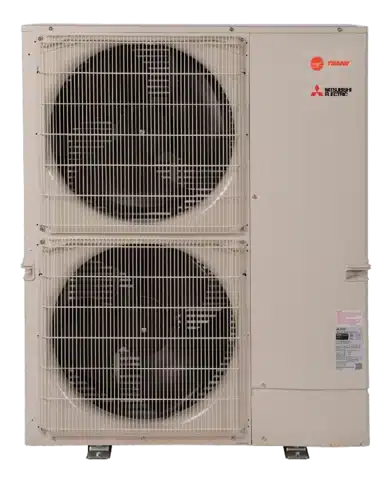
Housed outdoors, the compressor pressurizes refrigerant vapor, while the condenser coil and fan release collected heat to the outside air. This is where the system expels the energy it removed from your home.
Evaporator Coil and Air Handler
Inside, the evaporator coil absorbs heat from return air. The air handler’s blower pushes cooled, dehumidified air into supply ducts. Proper airflow across this coil is critical to prevent freezing and to maintain capacity.
Metering Device
A thermal expansion valve (TXV) or fixed orifice regulates how much refrigerant enters the evaporator. Correct metering ensures efficient heat exchange and stable coil temperatures.
Thermostat and Staging
Your thermostat commands when the system runs and at what intensity. Single-stage systems operate at one speed, two-stage units add a lower output for milder days, and variable-speed systems modulate continuously for quieter operation, tighter humidity control, and improved efficiency.
Cooling, Dehumidification, and Heat Exchange
As air moves over the cold evaporator coil, moisture condenses and drains away while heat transfers into the refrigerant. Well-balanced airflow, clean coils, and a properly charged system keep this exchange efficient. Air Conditioning Services (ACS) can explain how issues like weak airflow, dirty evaporator coils, or thermostat problems can reduce comfort.
Why Learn How Your AC Works?
Knowing the fundamentals helps you recognize normal operation versus warning signs and understand efficiency labels like BTU and SEER2. Here’s what this knowledge unlocks:
- Smarter Comfort Control
- Better Efficiency Choices
- Clearer Diagnostics Conversations
- Humidity Awareness
- Environmentally Informed
- Prepared for Heat Waves
Talk to ACS About System Operation
If you want deeper insight into the refrigeration cycle, staging options, or how airflow affects comfort, Air Conditioning Services (ACS) is here to help. We’ll walk you through components like the compressor, evaporator coil, and metering device, and explain how they influence cooling capacity and humidity control—without the jargon. Reach out with your questions and feel confident in how your system delivers comfort all season long.
Open 7AM - 5PM Monday-Friday
Quick Contact Form
Make a Payment

Our Service Area
We have happy customers all around the Northeast Georgia area. We’ve provided HVAC services for homes and businesses in:
· Hall County: Clermont, Flowery Branch, Gainesville, Lula, & Oakwood
· Habersham County: Alto, Baldwin, Clarkesville, Cornelia, Demorest, Mount Airy & Tallulah Falls
· Gwinnett County: Dacula, Sugar Hill, Buford, Lawrenceville
· Jackson County: Pendergrass, Arcade, Braselton, Commerce, Hoschton, Jefferson, Maysville, Nicholson & Talmo
· Stephens County: Martin & Toccoa
· Dawson County: Dawsonville
· Lumpkin County: Dahlonega
· Forsyth County: Cumming
Contact us today when you need HVAC services you can trust.